Full Article
about Bernuy de Porreros
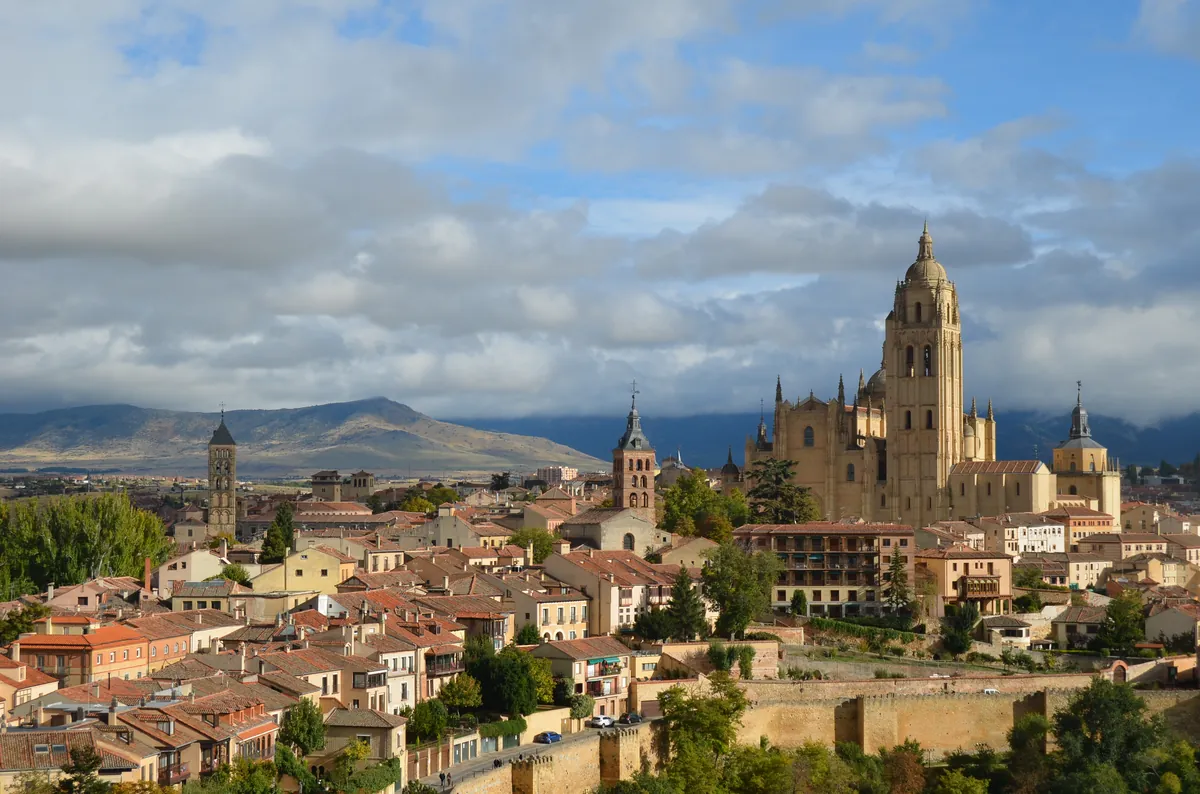
A residential municipality near Segovia city; it blends modern growth with rural roots.
Hide article Read full article
A Few Kilometres from Segovia, A Different Pace
Some places feel like the quiet neighbourhood on the edge of a larger city. Nothing spectacular is happening, yet everything feels settled and lived in. Tourism in Bernuy de Porreros follows that line. Just a few kilometres south of Segovia, you arrive almost immediately and find a village where daily life still looks reassuringly familiar: neighbours greeting each other, cars parked beside houses, people running errands without any rush.
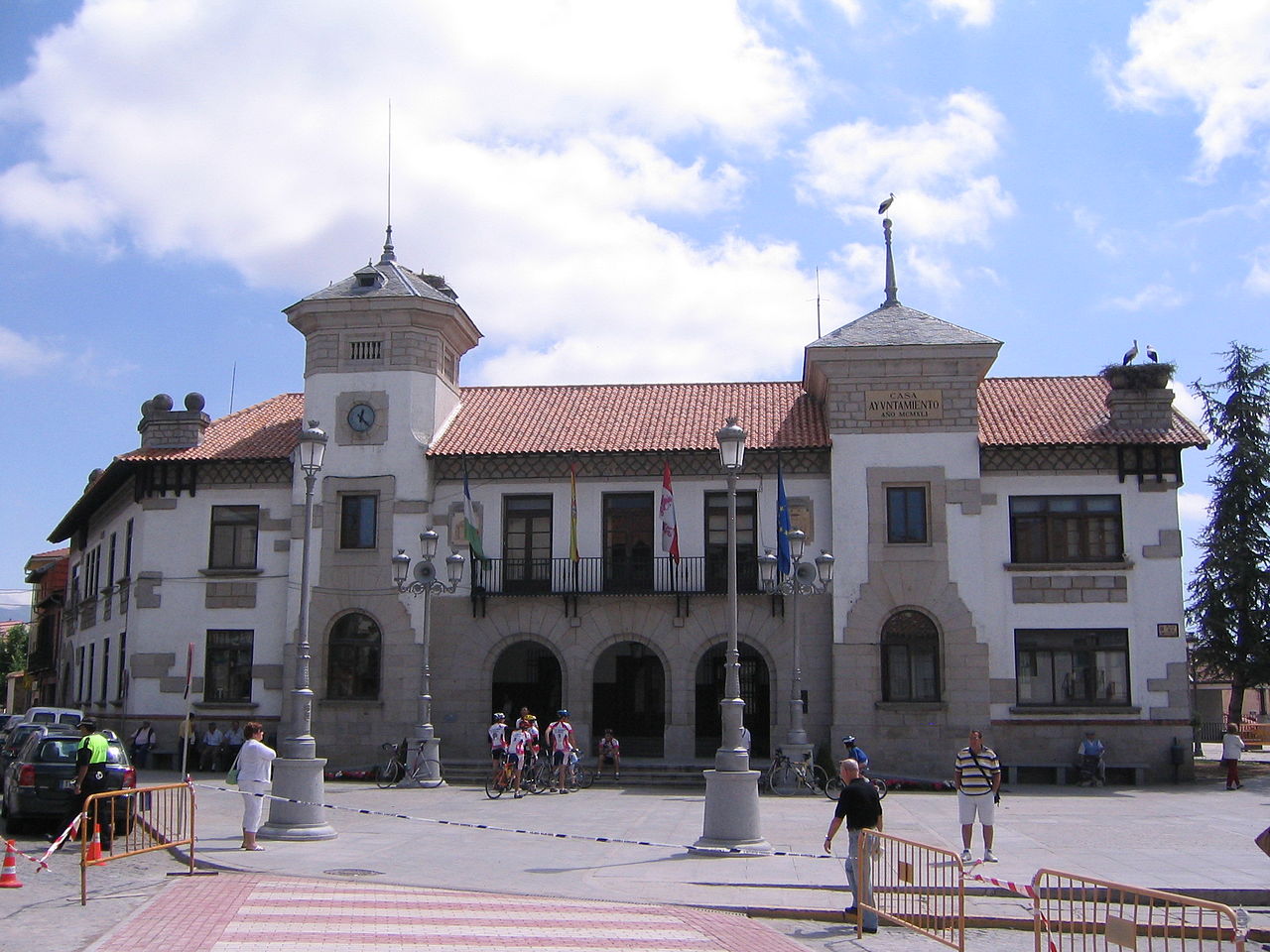
What stands out first is that Bernuy does not give the impression of emptying out during the week. There is movement here. Not crowds, of course, but a steady everyday rhythm that shows in the streets. People out for a walk, a conversation at a doorway, children cycling across the square. It feels inhabited in a way that many small villages no longer do.
Its proximity to Segovia plays a part. Many residents live here and work or spend much of their time in the provincial capital. As a result, the population remains stable. You notice it in the condition of the streets and in the houses, which combine traditional buildings with more recent constructions without the whole feeling disjointed.
A Short Walk Through the Village Centre
Bernuy is easy to cover on foot. In half an hour of unhurried wandering, you can form a clear sense of the place.
The Iglesia de San Pedro Apóstol stands in one of the central areas. It is a sober church, very much in line with many found across the province of Segovia: stone walls, simple proportions and a tower visible from several points in the village. Inside, it preserves older elements, among them a baptismal font often mentioned as one of the oldest pieces in the building.
The surrounding streets reflect what is common in the Segovian countryside. Stone walls sit alongside whitewashed façades and large gates that once opened onto corrals or garages. This is not a monumental historic quarter filled with grand landmarks. Instead, it has coherence. Buildings from different periods seem to belong to the same place rather than competing with each other.
Near the centre, restored former washhouses can still be seen. Today they serve mainly as reminders of how daily life worked only a few decades ago. It takes some imagination to picture it now, but these were essential meeting points. Washing clothes went hand in hand with conversation and catching up on local news, something like the village’s social network before the arrival of mobile phones.
Open Paths Across Flat Countryside
The landscape around Bernuy is largely flat, which makes exploring the surroundings straightforward. Agricultural tracks begin almost at the edge of the built-up area and run between cereal fields, small pine groves and patches of holm oak.
This is not a place for steep climbs or mountain routes. The usual plan here involves long walks along dirt tracks, the kind where you move forward with your eyes on the horizon and rarely pass anyone. For cycling, the terrain is equally forgiving. These are routes suited to unhurried pedalling rather than technical challenges.
On clear days, the sierra appears in the distance as a backdrop. It is not pressed up against the village, but close enough to be a constant reminder that Segovia and its surroundings live with the mountains always in view.
The overall impression is one of space. Fields stretch out in orderly plots. The sky feels wide. Sound carries differently in open country, and the pace naturally slows.
Food in This Part of Segovia
In Bernuy, as in many villages in the area, cooking leans towards the hearty. Winter calls for spoon dishes, substantial stews designed to warm you from the inside. When there is something to celebrate, asados take centre stage, the traditional roasts that are a hallmark of Segovian cuisine.
Produce from the province sets the tone. Legumes are a staple. Lamb or cochinillo, the famous roast suckling pig associated with Segovia, tend to appear on special occasions. Traditional sweets continue to feature at festivals or family gatherings. These are usually simple bakes, prepared at home or in nearby bakeries rather than elaborate creations.
Stopping for a meal in the village typically means generous portions and straightforward cooking without unnecessary embellishment. The emphasis is on flavour and familiarity rather than presentation.
For visitors unfamiliar with Spanish rural food culture, this means dishes rooted in local agriculture and long-standing habits. Meals often reflect the seasons and the rhythms of village life rather than passing trends.
San Roque and the Height of Summer
Mid-August brings a shift in tempo with the fiestas of San Roque. For a few days, Bernuy becomes busier than usual. Residents who live elsewhere return. Relatives arrive. The streets take on that particular atmosphere of summer celebrations in Spain, where open-air dances, reunions and children running about form part of the scene.
This is not an extensive events calendar designed to attract outside crowds. Quite the opposite. The festivities are primarily for the people of the village. Almost everyone knows each other in some way, and that familiarity shapes the mood.
For an outsider, the experience is less about spectacle and more about observing how a small community marks its patron saint’s days. The emphasis lies on participation rather than performance.
A Brief Stop with Its Own Logic
Bernuy de Porreros does not attempt to present itself as a major tourist destination. That is part of its appeal. It works best as a short detour if you are already in Segovia, or if you are curious about how a village functions while remaining closely connected to a nearby city yet retaining its own daily life.
You arrive, take a calm walk through the centre, perhaps head out along one of the tracks between fields, and quickly grasp the character of the place. There is no long checklist of sights to complete. Instead, the reward comes from noticing the ordinary details: the church tower above the rooftops, the restored washhouses, the steady flow of local routines.
Sometimes that is enough.