Full Article
about Palazuelos de Eresma
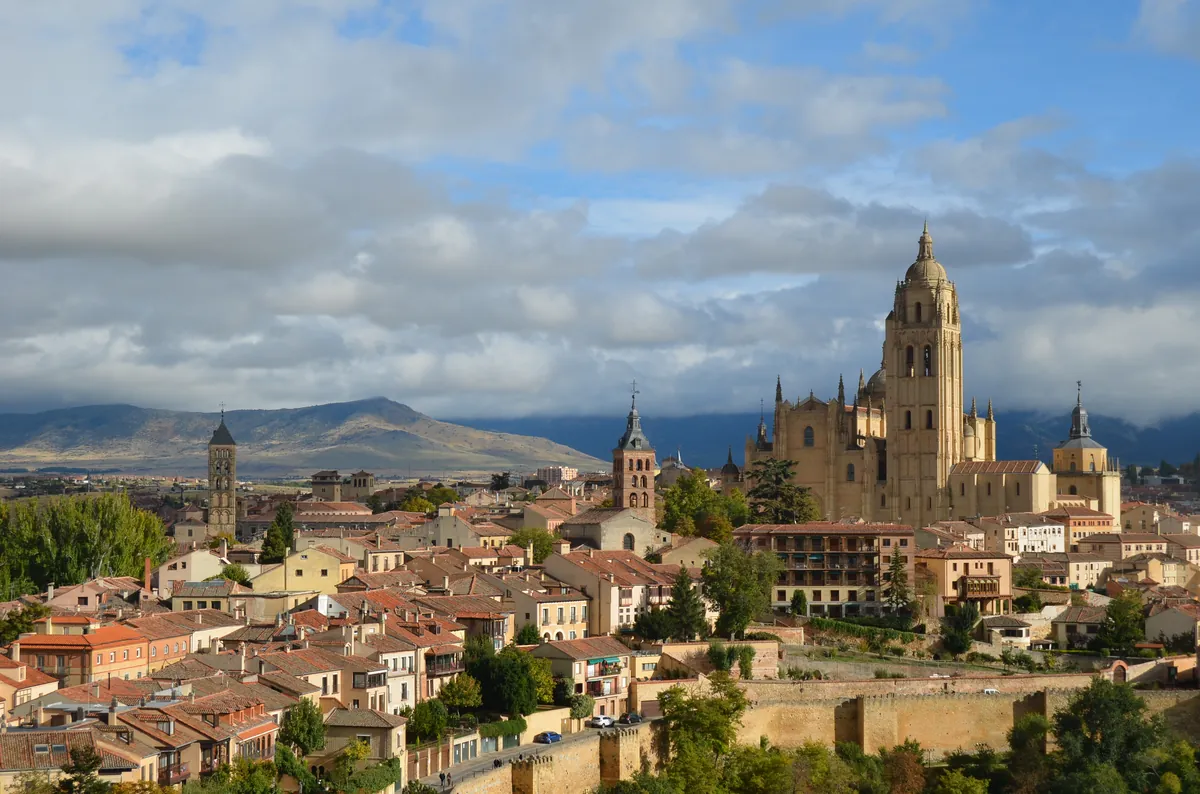
Residential town next to Segovia; home to the DYC whisky distillery and a riverside setting.
Hide article Read full article
Arriving by the Eresma
Just outside Segovia, the road begins to loosen and the landscape opens out. Meadows and small groves line the way, and the River Eresma appears quietly alongside them. A sign marks the entrance to Palazuelos de Eresma, and sometimes, with the windows down, there is a scent that is hard to pin down. It is not quite countryside, not quite river, not quite woodsmoke. It carries something sweet mixed with something toasted. Often it comes from the DYC whisky distillery nearby. That is usually the moment it becomes clear that the village has begun.
A lived-in village, not a stage set
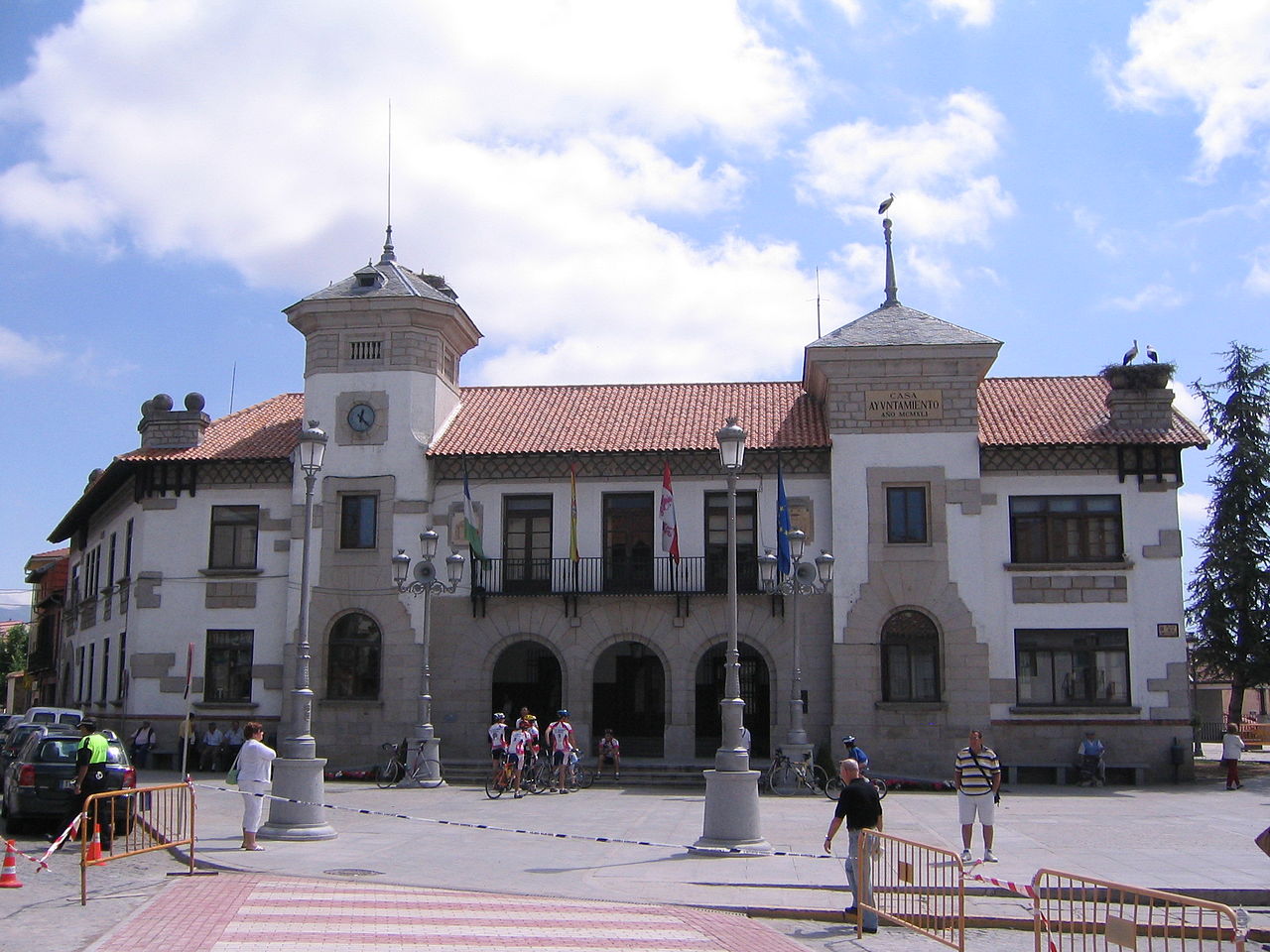
Palazuelos is not the kind of preserved medieval village often found in brochures. More than six thousand people live here, spread across several areas that feel a bit like separate neighbourhoods, divided by open fields and newer housing developments that have grown over time. Many residents work in Segovia and return in the evening, which gives the place a steady, everyday rhythm rather than the feel of a historical display.
The old centre sits close to the road. Stone houses line streets that slope gently up and down without much ceremony. There is no grand show of architecture, and that simplicity works in its favour.
Even when nearby Segovia becomes crowded, Palazuelos keeps a different pace. The atmosphere leans more towards daily life than tourism, where conversations tend to revolve around familiar routines rather than visitors passing through.
The unexpected castle
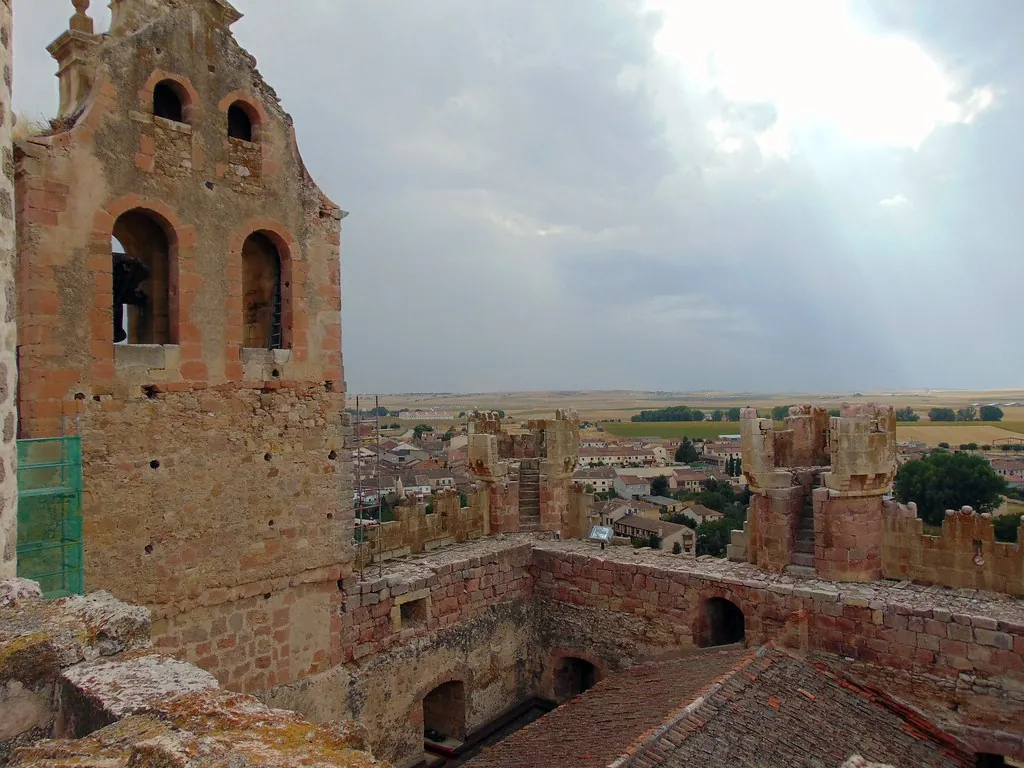
Look up from the streets and the Castillo de los Arias Dávila comes into view. It stands above the village with a reserved presence, easy to miss at first and then difficult to ignore.
Built in the 15th century, it still retains much of its structure. Towers and sections of wall remain, along with the solid character of a place that once formed part of a defended frontier. Access to the interior is not always available, but walking up to it is worthwhile in itself. From the surrounding area, there are views across the meadows of the Eresma and, on clear days, the outline of the nearby sierra.
Despite its proximity to Segovia, the castle is often quiet.
River landscape and the mark of DYC
The River Eresma rises a few kilometres upstream in the Valsaín mountains, within the sierra. By the time it reaches Palazuelos, it is still a young river, with calmer stretches and plenty of vegetation along its banks.
In the 1950s, the DYC distillery was established here, altering the visual identity of the area. Its facilities sit beside the river in a way that feels unexpected in this part of Castile. When production is underway and the wind carries in the right direction, that distinctive sweet scent becomes noticeable in the village.
There is no need to be interested in whisky to find it striking. The distillery has become part of the landscape, much like the surrounding fields or the rows of poplar trees along the river.
Traces of a medieval wall
At the start of the 14th century, Don Juan Manuel, the author of El Conde Lucanor, ordered the construction of a wall around Palazuelos. At the time, Segovia held significant influence, and controlling the surrounding territory mattered.
Today, sections of that wall are still visible. It is not continuous, nor does it resemble the scale of Ávila’s walls, but it can be recognised in several parts of the old centre. Walking alongside these remains creates an unusual contrast. Medieval stone appears just metres from modern houses, and in the distance, the chimneys of the distillery rise above the scene.
It is an unexpected combination that somehow works.
A short detour that changes the pace
Palazuelos de Eresma works well as a brief escape from Segovia. The distance is short, yet the shift in atmosphere is noticeable. A visit can be as simple as walking through the centre, heading up towards the castle, then making the way down to the river.
The path along the Eresma offers pleasant stretches for walking or cycling, especially during the warmer months. The presence of water and shade makes it a comfortable option when temperatures rise.
In June, the village celebrates the fiestas of San Antonio. These follow a traditional format, with a procession, local music, and a sense that most people know each other. It is the kind of gathering where the focus stays on the community itself.
A slow approach suits the place best. Park near the centre, walk without a fixed plan, and allow the layout of the village to guide the route. The castle, fragments of wall, and the river naturally fall into place along the way. Stopping somewhere with people inside is usually a good sign for a break.
It is not a destination that demands a full day. A couple of hours can be enough to get a feel for how life moves here. Palazuelos does not require much explanation, and that is part of its appeal.