Full Article
about Torrecaballeros
A key dining spot at the foot of the mountains; once a stop on the Mesta trail.
Hide article Read full article
A village between city and mountains
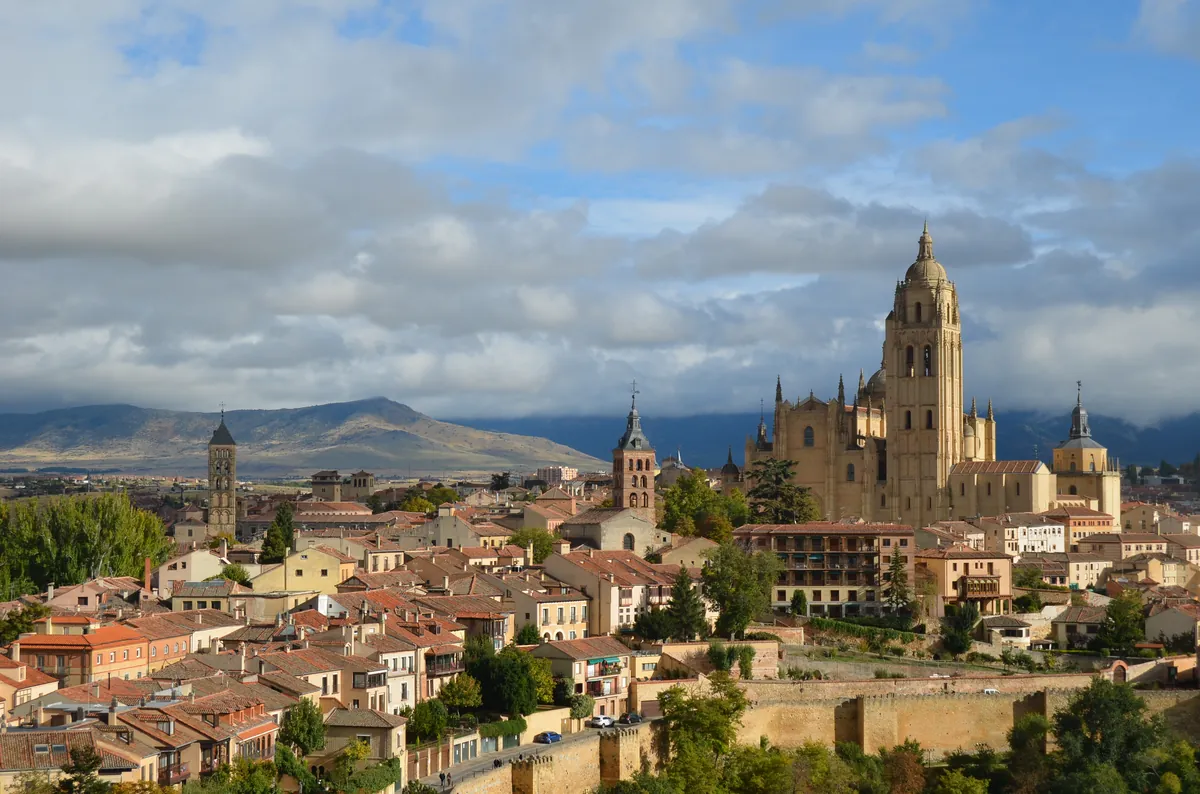
There are places that sit just far enough from a city to feel like a break, yet close enough for an easy morning escape. Torrecaballeros fits that description neatly. Only a few kilometres from Segovia, the surroundings begin to shift: thicker stone houses appear, the air cools, and the outline of the Sierra de Guadarrama becomes part of the everyday view.
The village has a population of just over 1,500 and sits somewhere between rural quiet and practical daily life. There is year-round activity, cars passing through, neighbours running errands, but the pace slows in a way that tends to happen when mountains are close by.
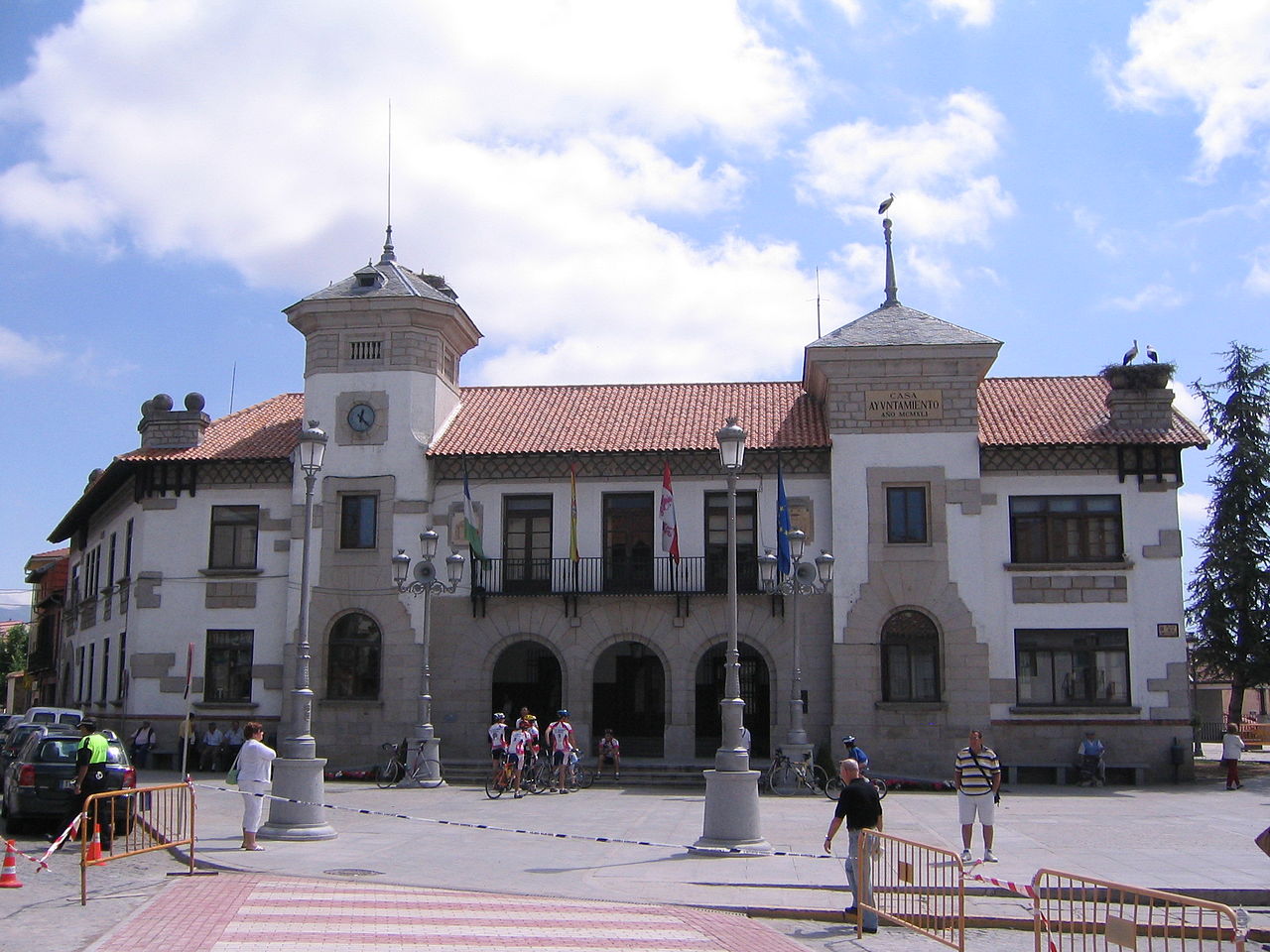
A walk through the centre shows traditional serrano architecture. Granite walls, sloping roofs and simple balconies define much of the built environment. It is not a monumental historic quarter, yet it feels consistent with its surroundings. The most noticeable building is the church of San Nicolás de Bari. Its origins are Romanesque, though it has been altered over the centuries, and its bell tower is easy to spot from different points around the village.
The surroundings that shape it
To understand Torrecaballeros, it helps to look beyond the streets. Within minutes, the landscape opens into pine forests of pino albar mixed with rebollos, a type of oak common in the area. Paths run through these woods, used by walkers as well as locals heading out for a stroll or walking the dog.
From certain clearings, on a clear day, the view stretches out towards the Segovian plain. It creates an interesting contrast. In one direction, the mountains feel close and present. In the other, the land begins to flatten as it leads towards the wider plateau.
Not far away lies the embalse del Pontón Alto. At weekends, it tends to draw a steady flow of people. Families bring folding tables, cyclists stop for a break, and others walk along the water’s edge. It is not a remote or untouched setting, but it works well for spending time outdoors without much planning.
Easy plans, no rush required
Torrecaballeros works well as a base for exploring this part of the Segovian side of the Sierra. Simple walking routes start directly from the village and wind through the pinewoods. These are not demanding routes, and that is part of the appeal. They suit an unhurried walk, particularly in spring and autumn.
Cyclists also make frequent use of the area. The local roads connect small villages and generally have moderate traffic. Still, the terrain should not be underestimated. Long, steady climbs can catch out those who are not used to them.
Food plays an important role here. After time outdoors, the usual plan is to sit down for a meal rooted in the local tradition. The cooking is hearty and closely tied to Castilla. Dishes such as judías de La Granja, a rich bean stew, or cochinillo, roast suckling pig, appear regularly on menus in the village. Weekends tend to be busier, so it is worth bearing that in mind if planning to eat there.
In winter, Torrecaballeros becomes a calm starting point for heading further into the mountains. The ski resorts of the Guadarrama are within reasonable driving distance, and many people use the village as a quieter place to stay connected to the area.
Local traditions through the year
The main celebrations centre on San Roque, usually held in mid-August. During those days, the atmosphere shifts noticeably. Activities fill the square, there are religious events, and many people return to the village for a few days, bringing a livelier rhythm to the streets.
San Miguel is celebrated towards the end of September. This is a more low-key occasion, but it remains important for local residents and keeps its place in the calendar.
Easter week, or Semana Santa, also has a visible presence. Processions move through the central streets, following the usual routes within the village. It is not a large-scale event, yet it reflects how these traditions continue to be part of everyday life.
A place that works at its own pace
Torrecaballeros is not a destination packed with sights that fill an entire day. That turns out to be part of its appeal. It is better suited to a shorter visit: a few hours to walk, eat well and spend time outdoors.
The village leaves an impression of continuity. Life here does not depend solely on visitors. It carries on throughout the year, shaped by its setting and its routines. With the Sierra de Guadarrama close by, always visible in the background, Torrecaballeros keeps a steady rhythm that reflects both its location and its way of life.