Full Article
about Turégano
Bishopric town with a unique castle enclosing a church; arcaded square
Hide article Read full article
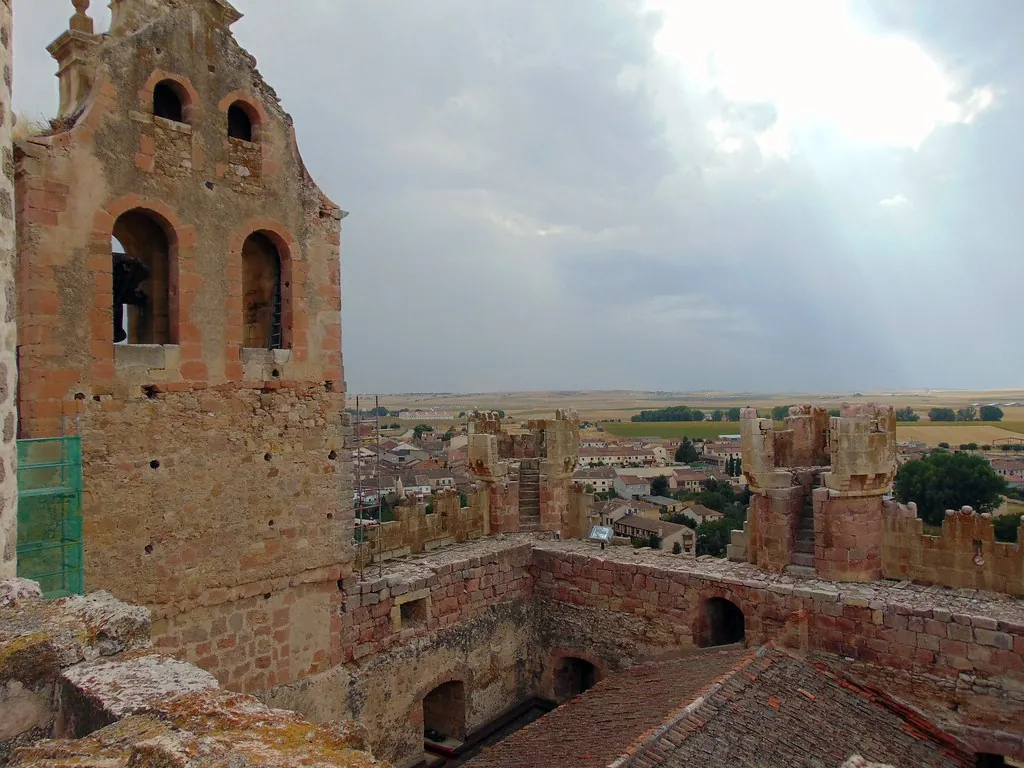
The castle of Turégano appears first as a shape on the horizon, a solid interruption in the flat line of the Segovian plateau. By mid-morning, its limestone is pale against a wide sky. You see it from the road long before you reach the village, a fixed point that everything else seems to arrange itself around.
Turégano feels like a place that has settled into its own form. The streets are narrow, paved with stone or packed earth, and they wind between houses of rough masonry and faded adobe. The sound of a television drifts from an open window. An old man slowly sweeps a doorstep. The pace here is not for show; it is the rhythm of a village where most things are still within walking distance.
This is not a town of grand gestures. Its presence is quieter, anchored by that single, formidable structure.
The Castle That Is Also a Church
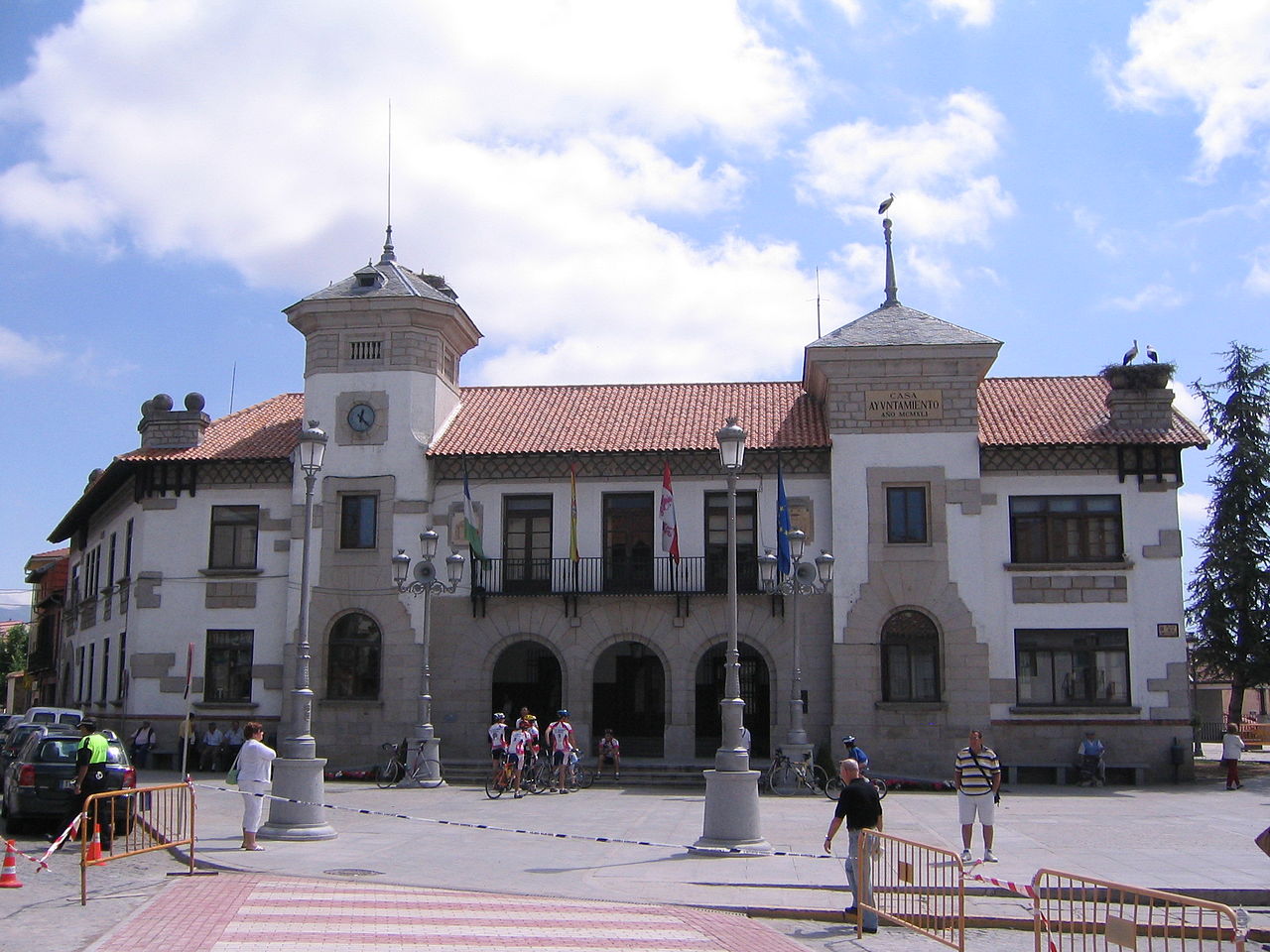
The Plaza Mayor, with its worn granite columns and deep arcades, sits in the castle’s shadow. On one side, the Iglesia de Santiago is not just next to the fortress; it is built inside it. The church’s Romanesque apse is encircled by defensive walls and towers, a peculiar fusion of devotion and strategy that began in the 12th century.
You notice the layers up close. The stone of the lower walls is darker, more heavily worn. Higher up, repairs in a lighter block show where later centuries patched and reinforced. The effect is not of a castle with a chapel attached, but of a single, stubborn entity that served two masters: God and the king’s militia. The light just before sunset makes these textures clearest, drawing long lines across the stone.
A Walk Without a Map
Leaving the plaza requires no plan. One street slopes gently downhill, past doorways where the wood is split from sun and frost. Another curves behind the church wall, so narrow your shoulder might brush against cool stone. You pass a courtyard where chickens scratch in the dust, and the smell of stewing meat comes from a kitchen vent.
An old town gate still stands, its arch low and thick. Houses have been built right up against the medieval wall, using it as a back room. This is how history functions here: not as a museum piece, but as part of the village’s skeleton. You walk simply to see what’s around the next bend—a wrought-iron balcony spilling geraniums, a cat sleeping on a windowsill.
The Breath of the Countryside
The fields begin where the last street ends. A dirt track leads straight into the open, through rolling land planted with barley and wheat. In late spring it is intensely green; by August it turns the colour of baked bread. The air smells of hot earth and thyme.
To the east, a pine forest provides the only real shade for miles. The ground there is soft with needles, and the temperature drops noticeably. These woods are busiest in autumn, after the first rains, when people come to search for níscalos. You will see their cars parked on the track edges in October, a sure sign of the season.
Practicalities: Light and Flavour
Come in spring or early autumn if you prefer solitude. Summer weekends, especially during the fiestas in August, bring a different energy—more voices in the plaza, more cars navigating the tight streets. For photography or a quiet stroll, aim for the hour before sunset. That is when the castle glows warm and long shadows fill the arcades.
The food follows Segovia’s inland logic. Lechazo asado, roast suckling lamb, is common here, its skin crisped in a wood-fired oven. More everyday is sopa castellana, a garlic soup thickened with stale bread, born from necessity. The taste of embutidos from the winter matanza lingers in many kitchens.
You understand Turégano by sitting still in its main square. Watch how people cross from the bakery to the tobacconist without hurry. Listen to the bells mark time from the fortress above. The village reveals itself through these small moments, through light on stone and the slow turn of the day. It asks for your patience, not your applause.