Full Article
about Valdevacas y Guijar
Municipality made up of two villages; known for its quiet and historic quarries
Hide article Read full article
A landscape shaped by height and habit
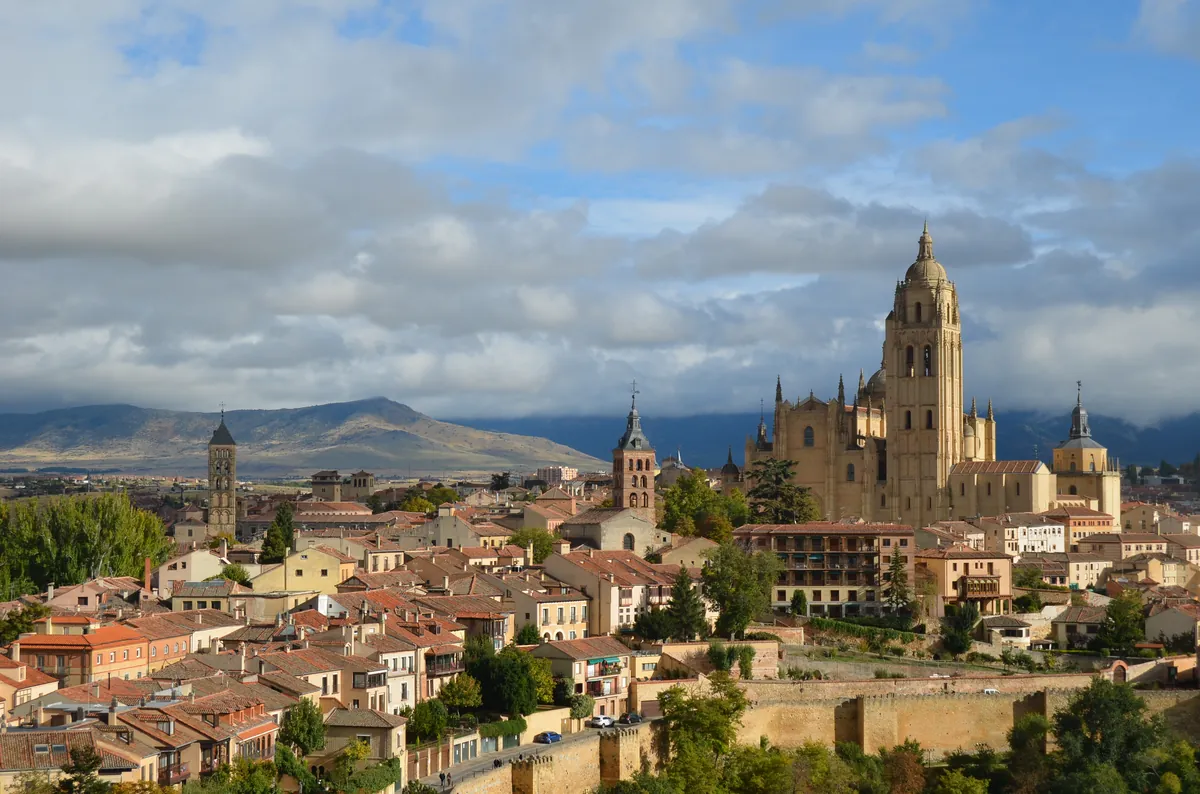
Tourism in Valdevacas y Guijar is closely tied to its position within the Tierras de Segovia, in a transitional area between the flatlands and the first rises of the sierra. Both settlements sit at around one thousand metres above sea level and share a landscape that feels typical of this part of the province. Open meadows stretch out between patches of pine forest, while small valleys collect winter frost along the roadside and carry the smell of wood smoke in the evenings.
Valdevacas and Guijar now form a single municipality, though each retains its own cluster of houses. They are separated by only a short distance, and their relationship has long been practical. Farming, livestock and the rhythms of rural life have shaped how people move between the two. This is not a place defined by major monuments or headline sights. It makes more sense when seen slowly, paying attention to how the land is used and how the villages fit into it.
Two churches, one scale of life
The built heritage is limited and easy to grasp. Each village keeps its own parish church, both of them sober constructions in keeping with many settlements in the Segovian sierra.
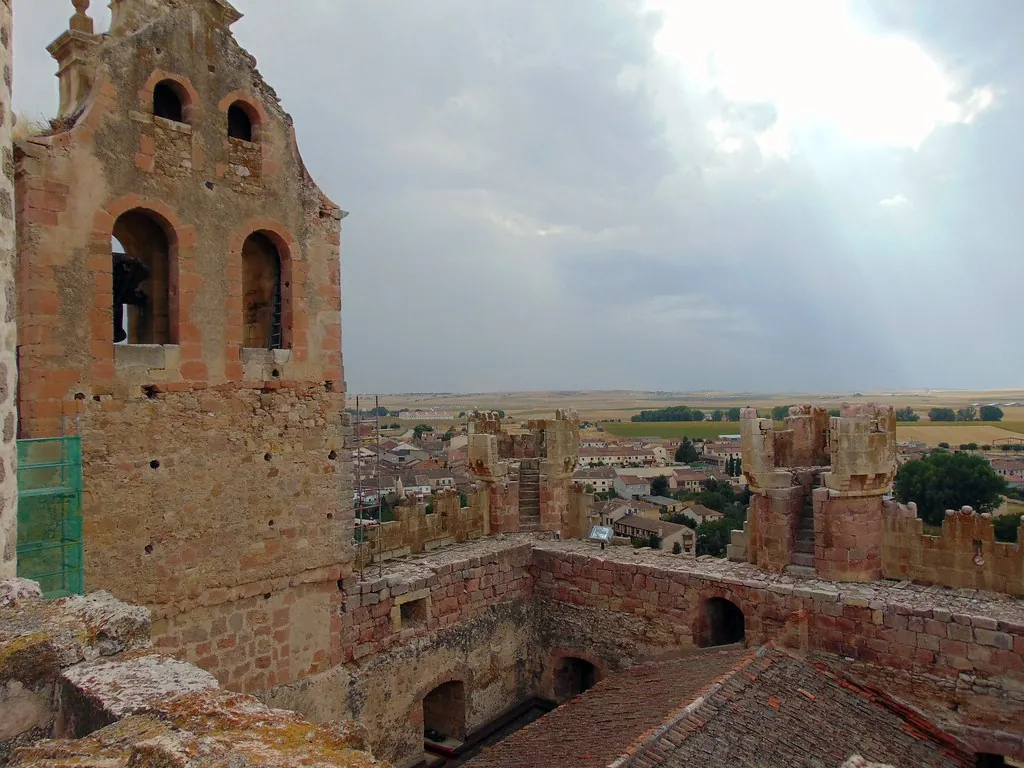
In Valdevacas, the church is dedicated to Santa María. The building appears to belong to rural architecture from the 16th or 17th centuries. Its masonry walls are solid and practical, with a brick tower or bell gable added later. These were not structures designed for decoration. Their purpose was to endure.
In Guijar, the church of San Bartolomé follows a similar approach. Entry is through a simple porch, and inside there is a modest Baroque altarpiece, the kind that found its way into smaller parishes when local finances allowed for it. The scale is restrained, reflecting the size of the community it served.
These churches are less about artistic ambition and more about continuity. They help explain the history of the villages themselves, small communities that built what they needed and maintained it over generations.
Houses, yards and working space
The layout of both villages still reflects traditional rural building. Masonry dominates, sometimes reinforced with timber in the upper sections. Wide gateways are a common feature, designed for carts or for bringing livestock in and out.
On the edges of the settlements, there are pens and small stables. Livestock farming, especially sheep with some cattle, has long been the main source of livelihood. That focus is visible in the way space is organised. Streets tend to be short, plots are relatively large, and there is enough room to move animals without difficulty.
This is not a place reshaped for visitors. The appearance of the villages follows everyday use rather than presentation. What stands today does so because it continues to serve a purpose.
Paths through pine and open ground
Tracks and agricultural paths leave directly from the villages, heading into nearby pine woods or linking up with other settlements in the area. These are not formal signposted routes. They are used by local residents, by farmers and by anyone going out for a walk.
The scenery shifts noticeably with the seasons. Spring brings a strong green across the meadows. In autumn, the pine stands mix with the ochre tones of scattered holm oaks and other trees. From higher points, there are views out across the Segovian plain, with the line of the sierra marking the horizon.
Walking early in the morning or later in the day often means encountering more birdlife and small animals. This is typical of areas where low woodland and pine forest meet open ground, creating a mix of habitats in a relatively small space.
Autumn and the rhythm of mushrooms
Like much of the province, autumn in Valdevacas y Guijar is linked to mushroom season. When the rains arrive, many locals head into the woods to collect them. It is not something done casually. Knowing which species are safe is essential, and in some woodland areas there are rules governing collection.
This seasonal activity sits alongside others such as harvesting and caring for livestock. It forms part of the local calendar rather than an attraction set up for visitors.
A place to understand, not to tick off
Valdevacas y Guijar are small and quiet villages. They can be walked through in a short time and tend to function more as a stopping point or a base for exploring the surrounding countryside than as a destination with organised visits.
It makes sense to arrive with practical needs already taken care of in larger nearby towns. What matters here is not a checklist of sights, but a chance to see how rural settlements continue in a less-travelled part of Segovia. The interest lies in the patterns of land use, the modest buildings and the steady continuity of daily life.