Full Article
about Zarzuela del Monte
Mountain village with a contemporary art gallery; tradition meets art.
Hide article Read full article
A Small Stop in Tierras de Segovia
Some places make it onto your itinerary because someone insists you must go. Others appear almost by accident, when you are heading somewhere else and decide to turn off the road for five minutes. Zarzuela del Monte fits comfortably into the second group.
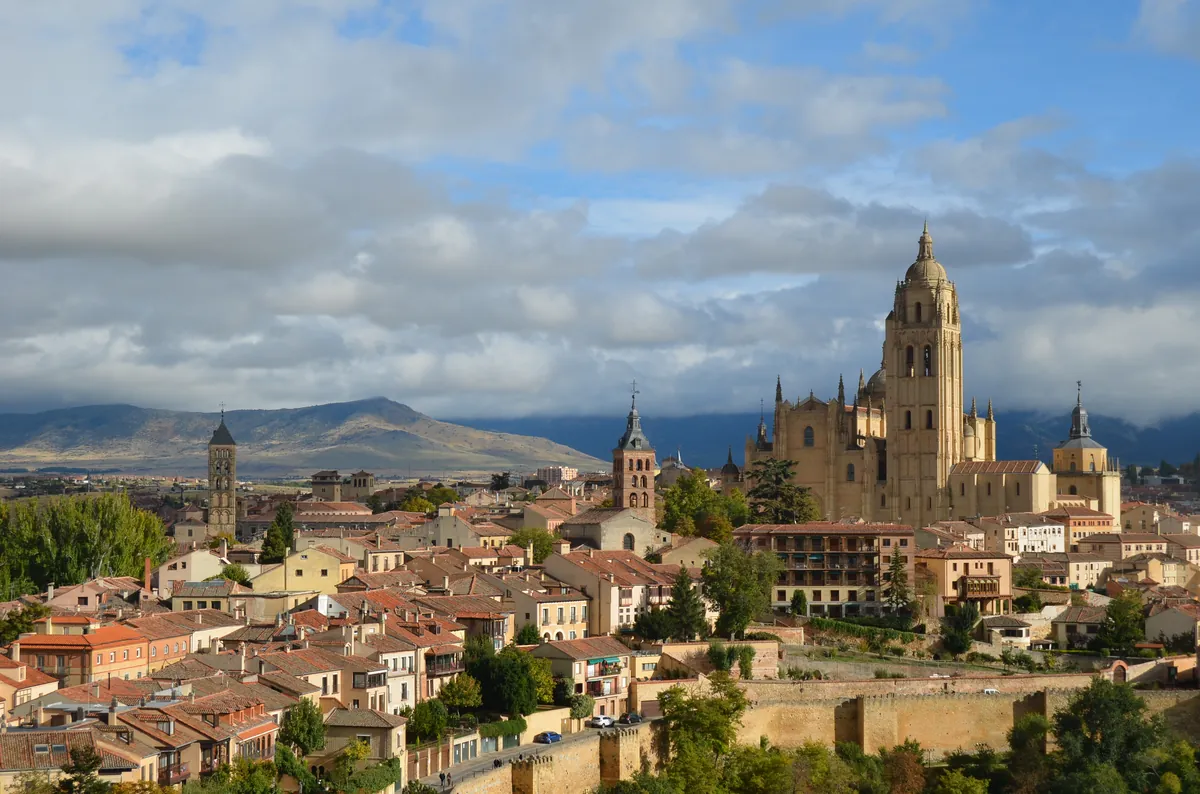
The village lies in Tierras de Segovia, just over 20 kilometres from the city of Segovia, surrounded by cereal fields and scattered pine woods. This is part of the Castilian plateau, a landscape that seems completely flat until you look more closely and notice its gentle rises and dips.
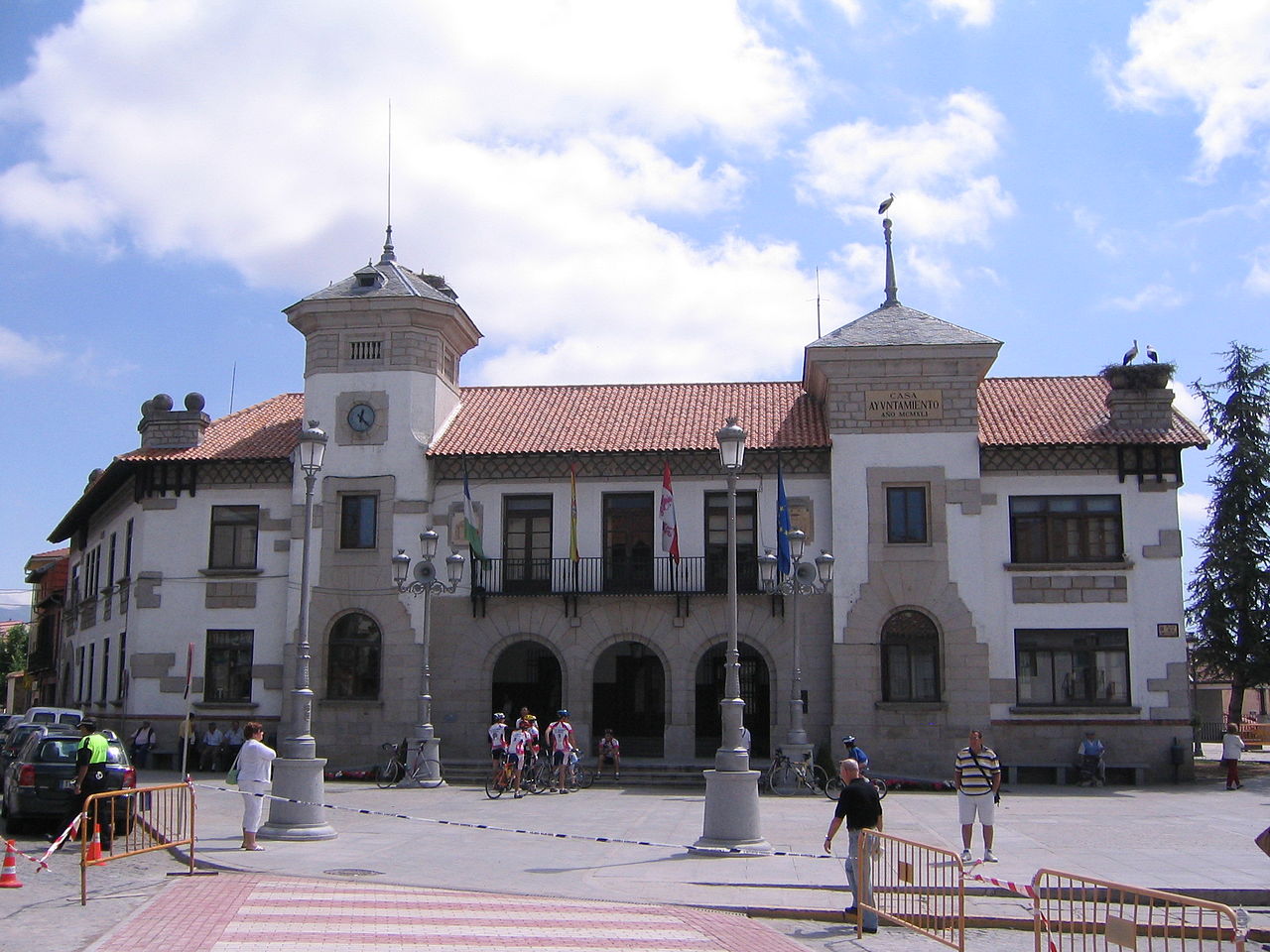
A little over 500 people live here, and the pace is obvious as soon as you drive in. The streets are quiet, a tractor might pass slowly, and the houses combine older structures with more recent renovations. There are no headline monuments and few postcard views, yet it quickly becomes clear how daily life unfolds in this part of Castilla.
Walking to Understand the Village
The most recognisable building in Zarzuela del Monte is the church of San Pedro. It is not especially large or ornate. Instead, it has the sober appearance common in many villages across the province of Segovia: stone walls, simple lines, and the sense that it has stood in place through long winters and dusty summers.
The real interest lies in wandering without hurry. Wide wooden gates open onto interior courtyards where stacks of firewood or farm tools can sometimes be glimpsed. Whitewashed stone houses line the streets, many altered over time. Some are carefully maintained; others show the gradual wear that comes when a rural home is no longer in constant use.
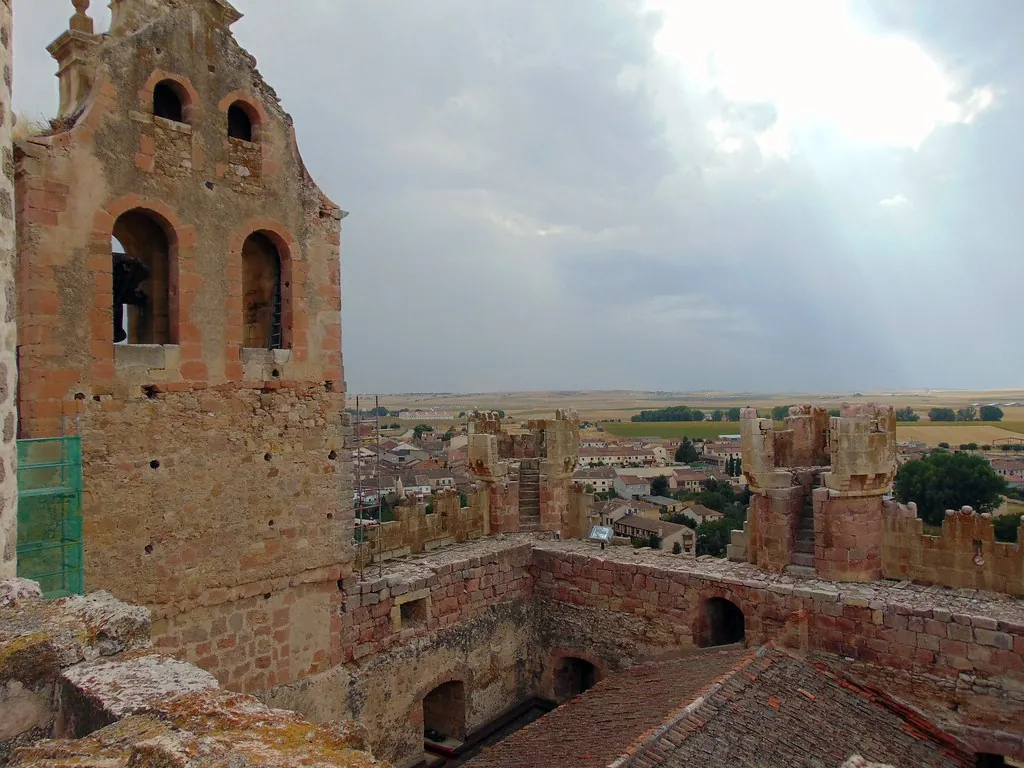
The centre can be covered fairly quickly. In a little over an hour, it is possible to walk through the main streets and then head out along the tracks that circle the village. Climb one of the small rises nearby and the view opens out: fields stretching into the distance, patches of pine forest, and on clear days the outline of the sierra appearing faintly on the horizon.
The landscape changes noticeably with the seasons. In spring the fields are green, in late summer they turn golden once the cereal has ripened, and when the cold arrives the colours become more muted. The shifts are gradual but visible, and they shape the mood of the place throughout the year.
Tracks, Silence and Open Land
For those who enjoy walking or cycling, the agricultural tracks leading out of Zarzuela del Monte offer plenty of scope. These are not marked routes. They are traditional dirt tracks used by farmers and local residents, crossing the surrounding farmland in straight and sometimes confusing lines.
There are advantages and drawbacks. It is possible to cover long distances without encountering many people at all, which adds to the sense of space. At the same time, many junctions look similar, so carrying a map on a phone or remembering the way back is sensible.
The terrain is largely flat, so there is no need for exceptional fitness. Rather than a demanding hike, this is the kind of long walk where the landscape sets the pace and the quiet becomes noticeable. Wind moving through the fields or the distant sound of farm machinery often replaces any other noise.
Birdlife provides another reason to slow down. Birds of prey can often be seen gliding above the fields, and there is regular movement from species typical of open countryside. Zarzuela del Monte is not known as a birdwatching destination, yet those who enjoy observing wildlife will find enough to hold their attention for a good while.
Eating in a Village of This Size
In a village with just over 500 residents, options are naturally limited, and it helps to arrive with realistic expectations. Around this part of Segovia province, meals tend to revolve around traditional dishes. Roast lamb is common, as are hearty stews and pulses that feel particularly welcome when the cold sets in.
This is not a place to look for inventive cuisine or lengthy menus. The food is straightforward and rooted in local habits, the sort of cooking that suits a slow conversation after the plates have been cleared. Meals often stretch into a relaxed sobremesa, the Spanish custom of lingering at the table to talk once eating is finished.
A Practical Base in the Segovian Countryside
One of Zarzuela del Monte’s strengths is its position. From here it is easy to reach other villages in the Segovian countryside within a short drive, or to return to the city of Segovia if a change of scene appeals.
In this part of the province, distances are manageable and it is simple to link several stops together without covering great mileage. The rhythm of a day might include a village walk in the morning and time in the city later on, all within a relatively compact area.
When the Village Comes Alive
For much of the year, Zarzuela del Monte maintains the calm atmosphere typical of a small Castilian village. August brings a noticeable shift during the patron saint festivities. At that time, many residents who live elsewhere return, and the population increases for a few days.
The programme usually includes open-air dances known as verbenas, religious events and shared community meals. These celebrations continue largely because of the involvement of local people themselves, who organise and participate in the activities. The streets feel busier, conversations last longer, and the village temporarily takes on a different energy.
Outside those days, tranquillity soon returns.
When to Go
Spring and autumn are often the most pleasant seasons for walking the surrounding tracks. Temperatures are milder and the colours of the fields add variety to the views. Summer on the plateau can be intense once you leave the shelter of the village, with little shade along the open paths.
Winter, as in much of inland Spain, brings cold weather and very quiet days. For those who do not mind low temperatures, there is something distinctive about seeing the village at its slowest, with fewer movements and an even calmer atmosphere.
Zarzuela del Monte is not a destination for grand sights or dramatic discoveries. It is a place that offers a clear glimpse of rural life in this corner of Castilla: open fields, nearby pine woods and neighbours whose families have lived here for generations. Sometimes, understanding a region begins with nothing more complicated than spending a morning in a village like this.