Full Article
about Blacos
Small village at the crossroads to El Burgo de Osma
Hide article Read full article
Blacos: El Pueblo que no Intenta Convencerte
Hay pueblos que parecen un error de imprenta en el mapa. Vas conduciendo por la provincia de Soria, miras la pantalla del GPS y piensas: "¿esto qué es?". Esa misma sensación te invade cuando llegas a Blacos. No es un destino, es más bien una pausa.
Estamos en las Tierras del Burgo, al sur de Soria. Treinta y seis vecinos censados, mil metros de altitud y un silencio que pesa lo mismo que el cielo despejado. No hay tráfico, ni tiendas. Hay viento, campos de cereal y, si hace frío, el humo de alguna chimenea. La vida aquí tiene el ritmo de las cosechas, no de los turistas.
Un Puñado de Casas Pegadas a la Iglesia
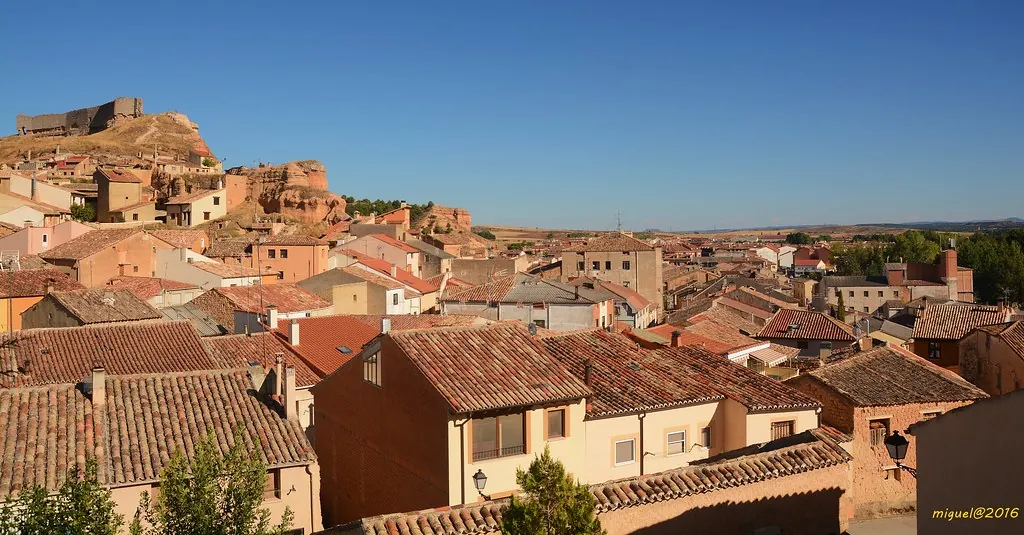
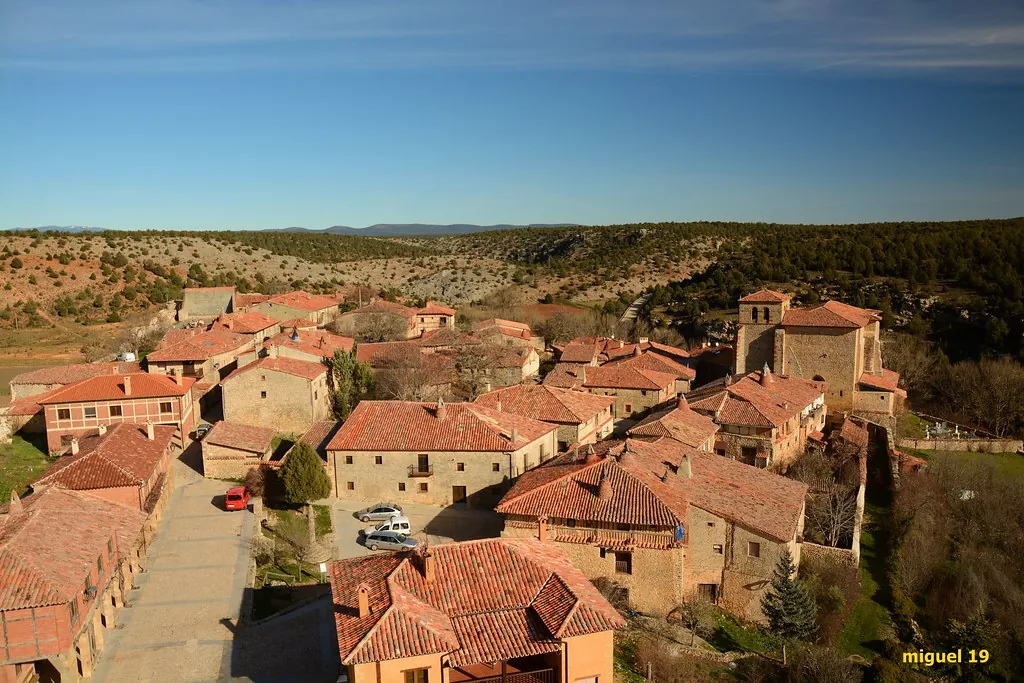
Blacos es pequeño hasta para los estándares de la zona. Todo gira en torno a la iglesia de San Millán, que actúa como faro visual desde cualquier callejón. La arquitectura es la típica de piedra, adobe y madera vieja. Funcional. Hecha para aguantar inviernos largos, no para decorar postales.
La iglesia parece del siglo XVI, aunque ha tenido sus arreglos. Como en casi todos los pueblos así, la verás cerrada salvo para misa o las fiestas del lugar.
La Calle Real hace de columna vertebral y de ella salen tres o cuatro callejas más. Aquí se entiende que todo tenía una función: los portones grandes eran para meter el carro, los patios para guardar leña, las paredes gruesas para aislar del frío. Nada sobraba. Pasear por Blacos es como ver una herramienta de trabajo antigua: sencilla, resistente y con el desgaste justo.
Caminar por el Páramo (Sin Sendero Señalizado)
El paisaje alrededor es la meseta pura y dura. Terreno abierto, llano o con lomas suaves, donde mandan el cereal y el matorral bajo. Es ese tipo de horizonte que parece que se va a tragar al pueblo.
La gracia está en los cambios de luz y color. En primavera hay un verde fugaz; en verano todo se vuelve amarillo pajizo; en otoño son tonos ocres; y si nieva en invierno, el blanco lo cubre todo y el silencio se hace aún más profundo.
No hay rutas señalizadas propiamente dichas. Lo que hay son caminos agrícolas de tierra que salen del pueblo hacia todas direcciones. Son pistas de trabajo, pero puedes andar por ellas kilómetros sin cruzarte con nadie. Si te paras a escuchar, quizá veas alguna liebre corriendo o algún buitre planeando arriba.
Esto no es un parque natural con paneles informativos. Es salir a caminar porque sí, porque el espacio pide eso.
Los Detalles que Cuentan la Historia
En sitios tan pequeños, lo interesante está en los detalles que pasan desapercibidos. Fíjate en las vigas de madera apoyadas directamente sobre la piedra, en las puertas antiguas con sus herrajes oxidados o en cómo algunas ventanas pequeñas están colocadas para cazar el sol del mediodía. También verás bodegas excavadas en la tierra o construcciones semisubterráneas. No son monumentos, eran la despensa y el garaje de otra época. Aquí nada está puesto para decorar; todo responde a cómo se vivía aquí hace décadas. Para fotografía tranquila hay material: texturas en las paredes, juegos de sombras al amanecer... pero nada está preparado para ti.
Para Comer: Hay que Mover el Coche
En Blacos no hay ni bar ni restaurante (con 36 habitantes era previsible). Para comer algo tienes que coger el coche. La opción lógica es ir a El Burgo de Osma, que está a unos minutos por carretera. Allí sí cambia el ambiente: terrazas, bares y mesones con esa cocina castellana contundente (asaditos, embutidos...). Mucha gente viene a Blacos a dar un paseo mañanero y luego se va a comer al Burgo. Es como cambiar de canal: del documental sereno al capítulo con más acción.
Fiestas: La Excusa para Volver
El calendario lo marcan un par de celebraciones al año. Por San Juan (junio) suele haber algo más de movimiento y gente que vuelve al pueblo. Las fiestas patronales son en verano. No esperes conciertos ni ferias grandes; son reuniones vecinales donde lo importante es la mesa puesta en la plaza o frente a la iglesia. Son fechas clave porque reúnen a una comunidad que durante el resto del año está dispersa.
¿Merece una visita Blacos? Depende totalmente de lo que busques. Si quieres museos tiendas monísimas o un circuito turístico marcado este no es tu sitio Pero si te apetece entender cómo es realmente un pueblo agrícola de esta Castilla tan vacía detenerte aquí tiene sentido Es como leer un libro sin ilustraciones tienes que ponerle tú parte Aparca da un paseo lento por sus calles sal al páramo mira cómo caen las sombras sobre la piedra Y luego sigue tu camino