Full Article
about Carrascosa de Abajo
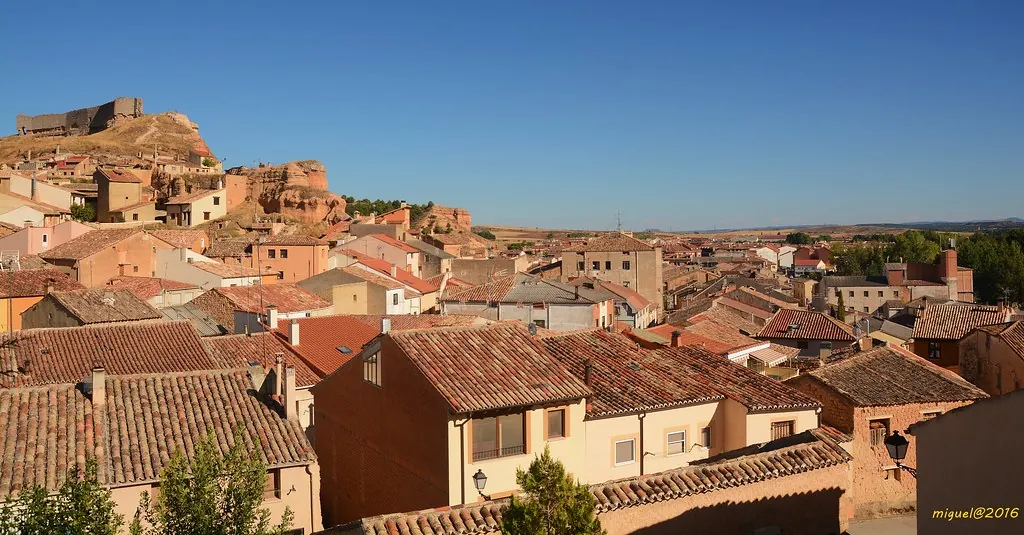
Small settlement on the Caracena River with traditional architecture
Hide article Read full article
Carrascosa de Abajo: un pueblo de la Sierra de Cabrejas
Carrascosa de Abajo se encuentra en las estribaciones de la Sierra de Cabrejas, dentro de las Tierras del Burgo, al suroeste de la provincia de Soria. Su nombre viene del carrascal, el bosque de encina baja y resistente que cubre estas lomas. Aquí viven unas dieciocho personas, una cifra que habla de la despoblación pero no del paisaje, que sigue organizado según la lógica agroganadera que mantuvo la comarca durante siglos.
El pueblo está a poco más de mil metros de altitud. Su arquitectura es la de piedra y mampostería propia del sur de Soria, con calles cortas —algunas de tierra, otras ya asfaltadas— que pasan entre casas con portones anchos y corrales cerrados. Estos patios eran el espacio para las herramientas y los animales, una parte funcional de la vivienda que aquí nunca se separó del todo.
La estructura del caserío
La iglesia parroquial es el edificio más visible. Es una construcción rural sencilla, probablemente del siglo XVI con reformas posteriores, como es habitual en la zona. Su espadaña se distingue desde lejos al acercarse por el páramo, sirviendo de referencia en un terreno donde escasean los hitos.
El interés no está en monumentos aislados, sino en la disposición del caserío. Las viviendas se agrupan con pajares, pequeñas cuadras y corrales, ya sea anexos o en parcelas contiguas. Esta organización muestra cómo funcionaba la vida cotidiana: la vivienda, el ganado y el almacenaje formaban una unidad. Los límites entre lo doméstico y lo laboral eran difusos.
En los alrededores inmediatos quedan restos de ese uso tradicional del terreno: linderos de piedra seca, corrales derruidos y construcciones auxiliares para el trabajo en el campo. Son elementos modestos, fáciles de pasar por alto, pero explican cómo se aprovechó este entorno de secano.
Andar por los caminos rurales
La forma más directa de entender el lugar es salir a caminar por los pistas rurales. Varios caminos conectan Carrascosa de Abajo con pueblos vecinos, atravesando carrascales, campos de cereal y alguna zona de pasto. No son rutas señalizadas, sino vías de servicio agrario con décadas de uso.
El carrascal da cobijo a fauna característica: es frecuente ver rastros de jabalí, zorro o corzo, mientras que por encima suelen planear buitres leonados, aprovechando las corrientes térmicas de los valles cercanos. En los días claros, desde alguna loma se obtiene una vista amplia de las Tierras del Burgo.
En otoño aparece otra actividad. Como en buena parte de la Sierra de Cabrejas, la recolección de setas se incorpora a la rutana de quien conoce el terreno. Es una práctica basada en el conocimiento local; si te interesa, conviene informarse sobre la normativa y asegurar la identificación de las especies.
Un lugar sin servicios, con carácter definido
Carrascosa de Abajo no tiene comercios ni servicios. Quien planee pasar tiempo caminando por la zona debe llevar agua y comida.
El pueblo se recorre en pocos minutos. Lo sustancial empieza después, en la red de caminos, el carrascal y la manera en que lo construido se inserta en el paisaje agrario. Es un sitio que invita más a la observación que a la actividad, donde el ritmo del entorno se hace más evidente cuanto más tiempo se le dedica.
Festividades y vida estacional
Las celebraciones locales suelen concentrarse en verano, cuando antiguos vecinos y familiares regresan al pueblo. Tradicionalmente giran en torno a San Isidro, figura común en las comunidades agrícolas españolas.
Son ocasiones sencillas, que dependen de cuánta gente se reúna cada año. Suelen incluir un acto religioso, comidas compartidas y horas de conversación entre quienes aún viven aquí y quienes vuelven por unos días. En un núcleo tan pequeño, estas fechas recuperan brevemente el pulso de la vida que tuvo el pueblo hace décadas.