Full Article
about Miño de San Esteban
Small wine-growing village with a Romanesque church
Hide article Read full article
Miño de San Esteban es el silencio que suena
Hay un momento, al apagar el motor del coche en la plaza, en el que te das cuenta de que el silencio no es vacío. Tiene sonidos propios. En Miño de San Esteban, un pueblo de cuarenta y tantos habitantes en las Tierras del Burgo de Soria, lo primero que registras es el crujido de una puerta de madera a lo lejos, el golpe seco de una herramienta en un corral, el viento constante rozando los campos de cereal. No es quietud, es otra clase de ruido.
Vienes aquí a propósito. Está a unos cuarenta kilómetros de Soria capital, metido en esa llanura alta donde los pueblos son puntos distantes en el mapa. No hay desvío bien señalizado ni cartel prometedor. Se llega porque quieres ver cómo es un lugar que no espera a nadie.
Un puñado de casas con oficio
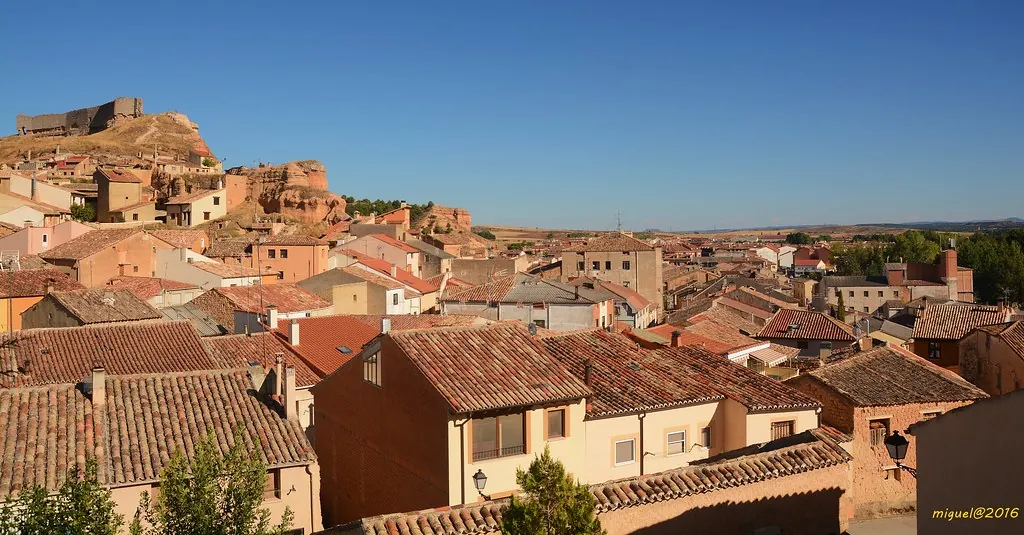
El pueblo es pequeño, del tipo que se recorre entero en diez minutos. Las calles son más bien callejones que confluyen en una plaza sin pretensiones. La arquitectura es la que esperas: piedra caliza, adobe visto, vigas de madera que aguantan techos con mucha historia.
Lo interesante está en los detalles prácticos, no en lo decorativo. Hornos comunales empotrados en las fachadas, portones lo suficientemente anchos para pasar un carro, bodegas excavadas en la roca bajo las casas. Todo habla de una vida ligada al campo, sin espacio para lo superfluo. No hay museos ni centros de interpretación. La gracia está en fijarse.
La iglesia y la ermita perdida
La parroquia de San Esteban domina el perfil del pueblo con su torre cuadrada y maciza. Es de origen románico, aunque con reformas posteriores como casi todo por aquí. Si tienes suerte y está abierta (no cuentes con ello), dentro encontrarás retablos barrocos sencillos. Nada espectacular, pero con ese peso serio de las iglesias rurales.
Si caminas cinco minutos hacia las afueras, siguiendo el cauce del río Miño, te encuentras con la ermita de San Martín. Es una construcción humilde junto a una curva del agua. El paseo vale más por el entorno que por la ermita en sí: ese contraste entre el río tímido y la llanura inmensa tiene algo hipnótico.
Caminar sin rumbo (pero con sentido)
Aquí no hay senderos señalizados con colores. Hay caminos agrícolas, anchos y polvorientos, que se adentran en un mar de cereal salpicado por alguna encina o quejigo solitario.
Es terreno para pasear sin prisa y sin expectativas. Puedes andar una hora sin cruzarte con nadie más que con una perdiz asustadiza o un ratonero cerniéndose sobre los barbechos. Si te orientas bien o preguntas a algún vecino (el método infalible), desde alguna loma podrás ver, si el día está claro, la silueta azulada del Moncayo al norte.
Los amaneceres y los atardeceres son los mejores momentos. La luz es larga y la actividad de las aves esteparias se nota: bandadas de fringílidos recorriendo los linderos, cogujadas cantando desde los postes. No hace falta ser ornitólogo para apreciarlo; solo pararse a escuchar.
Comer: planifica por fuera
Vamos a ser claros: en Miño no hay donde sentarse a comer un plato combinado. Para eso hay que moverse a alguno de los pueblos mayores de la comarca.
La cocina es la contundente soriana de siempre: cordero asado, migas pastoriles, embutidos de matanza casera. Comida para reponer fuerzas después de una jornada larga al aire libre o para capear un invierno frío. Lo normal es hacer base en otro sitio y acercarse a Miño después para digerir paseando.
La vida cuando aparece
Durante gran parte del año, el ritmo aquí es lento hasta lo imperceptible. El punto álgido llega alrededor del 3 agosto, con las fiestas patronales dedicadas a San Esteban. Son celebraciones íntimas: misa, procesión sencilla y gente que vuelve al pueblo porque tiene raíces aquí.
También es común que haya alguna romería popular hacia alguna ermita cercana cuando mejora el tiempo o ya entrado el otoño. Son excusas para juntarse varios pueblos vecinos; eventos pequeños pero significativos.
Miño no te va a conquistar con monumentos ni con postales perfectas. Es como la casa del abuelo en el pueblo: austera, funcional y honesta hasta la médula. Su valor está precisamente ahí: en ser simplemente lo que es. Un lugar donde escuchar cómo suena realmente el campo cuando nadie intenta venderte nada