Full Article
about Retortillo de Soria
Town with medieval history and remains of a wall
Hide article Read full article
Retortillo de Soria: un pueblo que no te espera
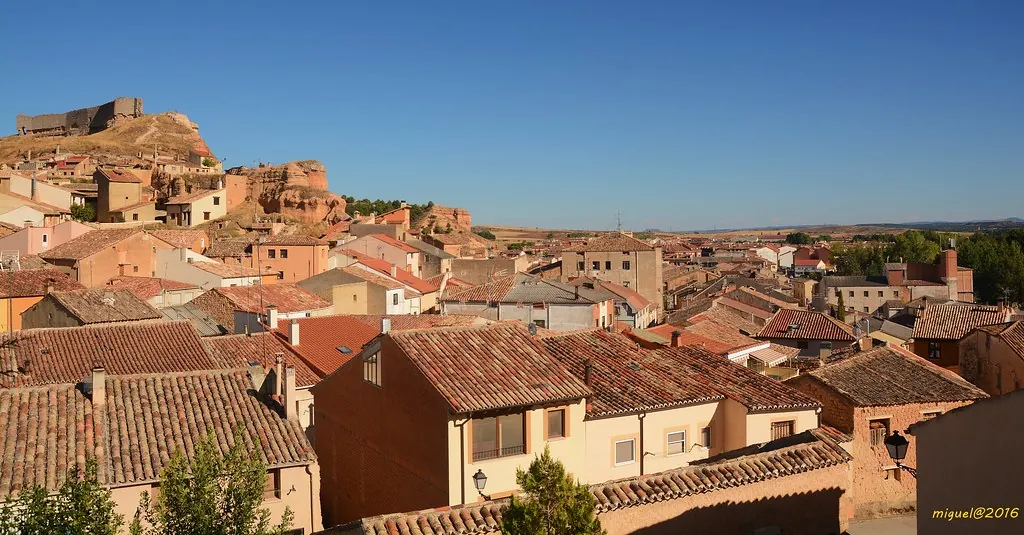
Retortillo de Soria es como ese amigo tuyo que vive lejos y al que vas a ver sin plan. No hay monumento estrella, ni tiendas de recuerdos, ni una oficina de turismo. Solo calles vacías, casas de piedra y un silencio que, si vienes de la ciudad, al principio te suena raro. A más de 1.200 metros, el aire pica un poco y el paisaje es más bien grisáceo, del color de la tierra seca y la pizarra.
¿Qué haces aquí? Pasear. En media hora has visto todo el pueblo. La iglesia de San Pedro está ahí, en lo alto, con esa mezcla de estilos que tiene más que ver con arreglar lo que se caía que con un plan maestro. Las casas son como las chaquetas viejas de trabajo: piedra maciza, tejados de teja árabe y puertas grandes para meter el carro. Están hechas para aguantar inviernos serios, no para decorar postales.
La gracia está en eso: en no hacer nada en concreto. Te sientas en un banco junto a la iglesia y ves bajar una furgoneta del pan. Cruzas a alguien que te saluda con la cabeza. El tiempo pasa despacio, como en una sobremesa larga.
Salir andando hasta donde se acaba el camino
Si cruzas la última casa, en dos pasos estás en el campo. Aquí no hay transición. Es páramo, algún pinar, campos de labor y encinas dispersas. Cuando hace viento, de verdad hace viento; no una brisa, sino ese aire que te silba en los oídos y te busca por el cuello de la cazadora.
Pero si pillas un atardecer tranquilo, el cambio es bestia. Los grises de la tierra se vuelven amarillos pálidos y anaranjados suaves. Es como si alguien le bajara la intensidad a la luz del salón. No es espectacular, pero sí muy tranquilo.
Por aquí se puede caminar horas sin ver a nadie. Hay senderos hacia Carazo o Villaseca (algunos mejor marcados que otros; pregunta antes). No son rutas de alta montaña; son pistas anchas por las que puedes ir andando o en bici sin complicaciones técnicas. El reto no es la cuesta, sino la exposición: no hay dónde esconderse del sol o del cierzo.
Setas, cielos y otras costumbres
En otoño, si ha llovido bien, la gente sale con sus cestas a los pinares a por níscalos y boletus. Esto no es un hobby pintoresco; se hace en serio y con conocimiento local. Lo mismo pasa con la caza menor: forma parte del calendario rural desde siempre.
A veces es mejor mirar para arriba que para el suelo. Sobre los campos suelen volar milanos reales; verlos planear en círculos sobre el páramo en un día silencioso puede llegar a ser hipnótico.
Comer como quien ha estado trabajando fuera
La comida aquí es contundente y sin florituras: migas hechas con pan del día anterior para aprovechar, caldereta de cordero que ha cocido a fuego lento durante horas… En invierno aún se nota la tradición de la matanza —chorizo, tocino— aunque ahora sea más por costumbre que por necesidad real.
Las fiestas (San Roque o Santa María en verano) son lo que esperarías: reuniones vecinales donde se juntan los que viven aquí todo el año con los familiares que vuelven al pueblo unos días. En enero celebran San Antón; bendicen a los animales y alguien suele hacer una hoguera cerca de la ermita.
Retortillo no te va a sorprender con nada grandioso. Su punto fuerte es justo lo contrario: casas firmes contra el frío, campo abierto hasta donde alcanza la vista y una rutina tan lenta que te obliga a bajar las revoluciones. ¿Merece un desvío? Si buscas ruido o planes marcados en una guía turística claramente no. Pero si lo único quieres es estirar las piernas donde el mapa casi no tiene nombres escritos entonces este tipo sitio funciona. Ven sin prisa date una vuelta por sus calles sube hasta el altozano detrás del pueblo mira cómo cambia luz sobre los campos. En dos horas ya te has hecho una idea. Y probablemente esa idea sea suficiente