Full Article
about Cebreros
Town known for its garnacha wines
Ocultar artículo Leer artículo completo
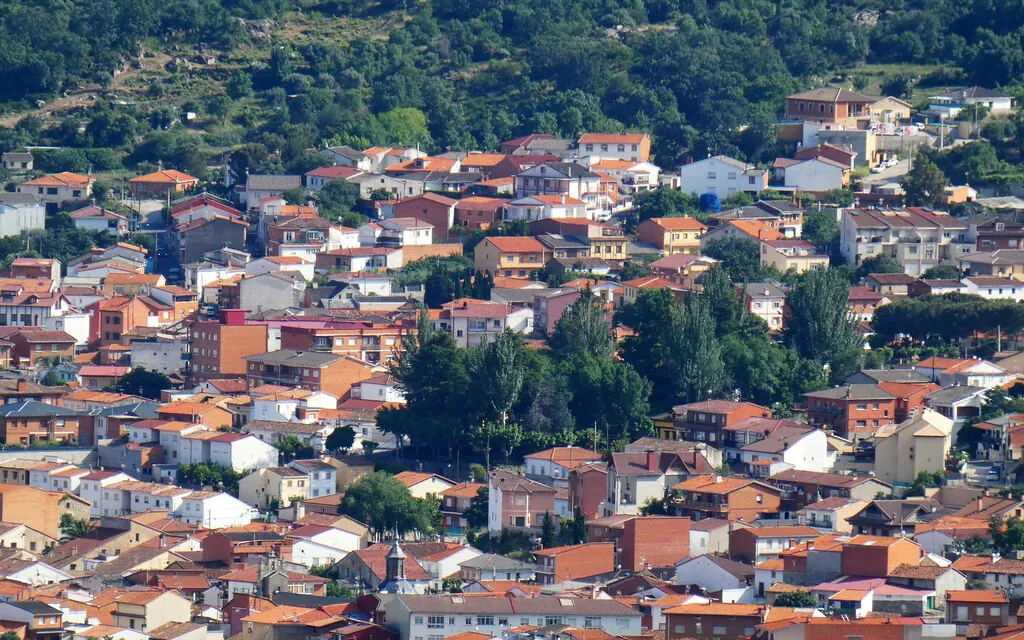
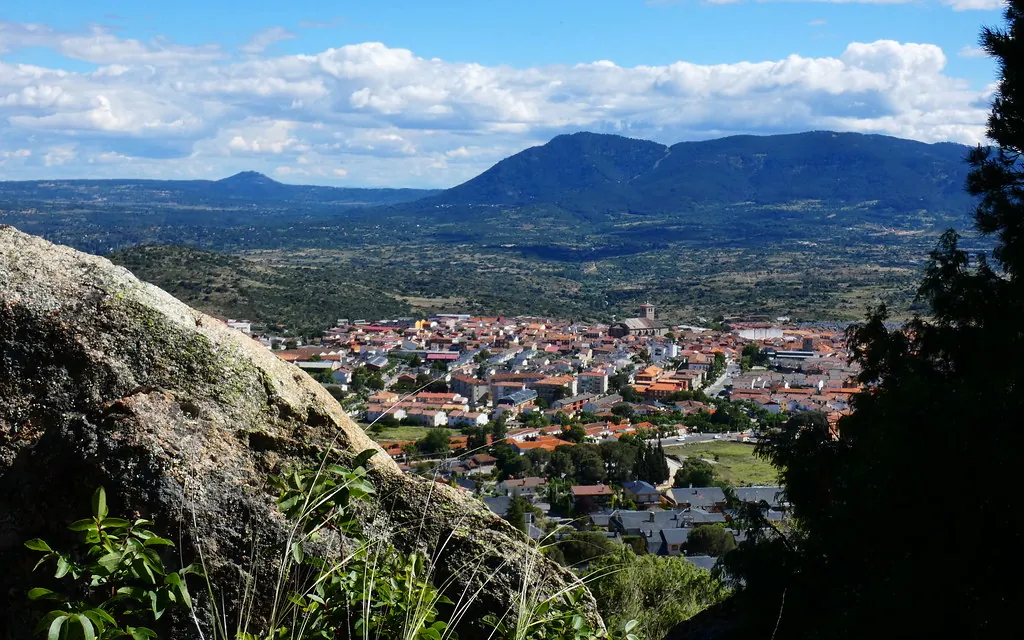
The thermometer drops six degrees between Madrid’s airport car park and the first hairpin above the Alberche valley. By the time Cebreros appears—its granite towers glinting like wet slate—the Meseta’s heat has been swapped for mountain air that smells of thyme and diesel from the morning tractor convoy. This is not a village that flatters passing drivers; it makes them work for it. The last fifteen kilometres wriggle uphill through pines and abandoned vineyards so steep the sat-nav thinks you’re still on the flat. When the road finally levels, the reward is a plateau where vines survive at 755 m, colder nights trapping acidity in the local Garnacha and persuading British importers to whisper “Burgundian” in their tasting notes.
Vine roots between the granite
Wine arrived with the Romans, stayed for the monks, and never left. Today the council counts 650 ha of bush-vine Garnacha and Albillo Real, most of parcels no wider than a tennis court. Walk south along the Camino de la Dehesa and you’ll see vines planted in the very rock: farmers blasted holes, dropped in cuttings, and let the roots hunt for water. The resulting reds are lighter than Rioja, more Rhône than Ribera—cherry skin, white pepper, enough tannin to handle the local roast kid but polite enough for a Tuesday night in Oxford. The cooperative on Calle Real sells last year’s crianza for €9 a bottle; bring your own box, they’ll fill it straight from the tank if you ask before 11 a.m.
Serious tasters head to the subterranean galleries under the old quarter. Half-tavern, half-cellar, these man-made caves keep a constant 13 °C year-round—ideal for slow ageing and for scaring visitors who forget a jacket even in August. Entrance is informal: knock at number 14, wait for María to finish hosing the press, then descend a spiral stair hacked into bedrock. One chamber holds a 1952 press the size of a Mini; the next stores 500-litre sherry butts now used for oxidative whites that taste like apricot and roasted almond. Tastings are €12, refundable if you buy two bottles, but cash only and no groups larger than six.
Walking off the wine
Altitude works both ways: it preserves acidity in grapes and oxygen in hikers’ lungs. From the Plaza Mayor—a porticoed square where old men still play cards under stone arches—three signed paths strike out into the Sierra de Gredos foothills. The shortest (5 km, 200 m ascent) climbs to the ruined watch-tower of El Castillito; the longest (14 km loop) follows the Alberche gorge to a chain of emerald pools deep enough for a swim if you don’t mind 14 °C water. Spring brings orchids and darting kingfishers; October turns the poplars gold and the scent of crushed rosemary follows you home.
Winter is a different story. At 790 m snow is rare but ice isn’t—north-facing paths stay treacherous until noon, and the single daily bus from Madrid is cancelled at the first weather warning. Locals switch to sturdy boots and hunt wild boar among the resin-scented pines. If you arrive between December and February, pack micro-spikes and expect shorter daylight; cafés shut at five, fireplaces lit with vine cuttings scent the evening air with sweet smoke.
A main meal that refuses to move
Spanish timetables already baffle British stomachs; Cebreros stretches them further. Lunch is 14:00-16:00, yes, but dinner doesn’t exist before nine. Arrive at 7 p.m. and the cook is still at home watching Pasapalabra; the kitchen re-opens when the streetlights do. The safest strategy is to treat lunch like Sunday roast: make it the day’s big event, then coast on tapas. At La Dehesa they’ll serve lechazo—milk-fed lamb roasted in a wood-fired clay oven—pink, juicy, already salted by the chef who refuses requests for mint sauce. Pair it with a 2018 Garnacha that spent 12 months in second-use French oak; the bottle costs €18 retail, €28 on the list, still cheaper than a pub Rioja back home.
Vegetarians face slimmer pickings. The vegetable plot is respected but usually as garnish for meat; even the humble judión bean arrives flecked with chorizo. Ask for escalivada—smoked aubergine and pepper—then order extra bread and a glass of Albillo to fill the gaps. Dessert is safer territory: milhojas of puff pastry and custard tastes like a British vanilla slice that took a gap year in Spain.
When three thousand people become twenty thousand
The Sunday before Lent, Cebreros explodes. Its carnival draws 20,000 visitors who squeeze into streets designed for mules. brass bands parade in feathered masks, confetti drifts into open wine cellars, and the police close the only road in at 11 a.m.—latecomers park five kilometres away and hitch rides on farm trailers. Book accommodation before Christmas; by January the nearest vacant bed is in Ávila, 35 minutes down the mountain. If crowds feel like punishment, come the weekend after instead. Streets are swept, hotel prices halve, and the wine tastes the same.
Easter is quieter but no less intense. Processions squeeze under the granite arcades, incense competing with wood-smoke from outdoor kitchens. Night-time temperatures can dip to 4 °C even in April; the Brotherhood of Jesús Nazareno issues thick capes to penitents—outsiders who forget a coat end up borrowing one and looking like extras from a historical drama.
Getting here, getting out
Madrid-Barajas to Cebreros is 115 km on paper, 75 minutes in a hire car and two hours if you trust the weekday bus. The A-5 motorway is fast and dull; turn off at Talavera de la Reina and the landscape tilts upwards, olive groves replaced by sweet-chestnut forest. Petrol stations thin out after Navalmoral—fill the tank and the spare can if you’re visiting in winter. There is no railway; BlaBlaCar sometimes lists a seat at €10 but departure times shift with the driver’s hangover.
Leaving is easier than arriving. The same mountain road that drags you uphill gives back momentum on the descent—coast in neutral and you’ll reach Madrid before the playlist ends. Take a sealed bottle of Garnacha in the boot; customs won’t mind, and it survives the flight to Luton better than duty-free Rioja. Back home, when the wine is poured and someone asks where you found something so alarmingly drinkable, you can truthfully say: halfway up a granite ridge, behind a tractor, in a cellar that doesn’t appear on Google Maps.