Full Article
about Cepeda la Mora
One of the highest villages; set in the heart of the Sierra de Gredos with a privileged natural setting and a Jewish cave.
Hide article Read full article
Cepeda la Mora: un pueblo de granito a 1.500 metros
Cepeda la Mora se encuentra en la vertiente occidental de la Sierra de Ávila, dentro del valle del Alberche. Su altitud, por encima de los 1.500 metros, define su carácter. Los inviernos son largos, el viento es frecuente y la vida aquí ha estado ligada durante siglos a las condiciones de la montaña.
El pueblo tiene unos sesenta habitantes. Pertenece a esa red de asentamientos serranos dispersos por el Sistema Central, cuya economía tradicional se basó en la ganadería y en el granito de las canteras locales. Ese pasado se lee con claridad en las casas.
La arquitectura de la necesidad
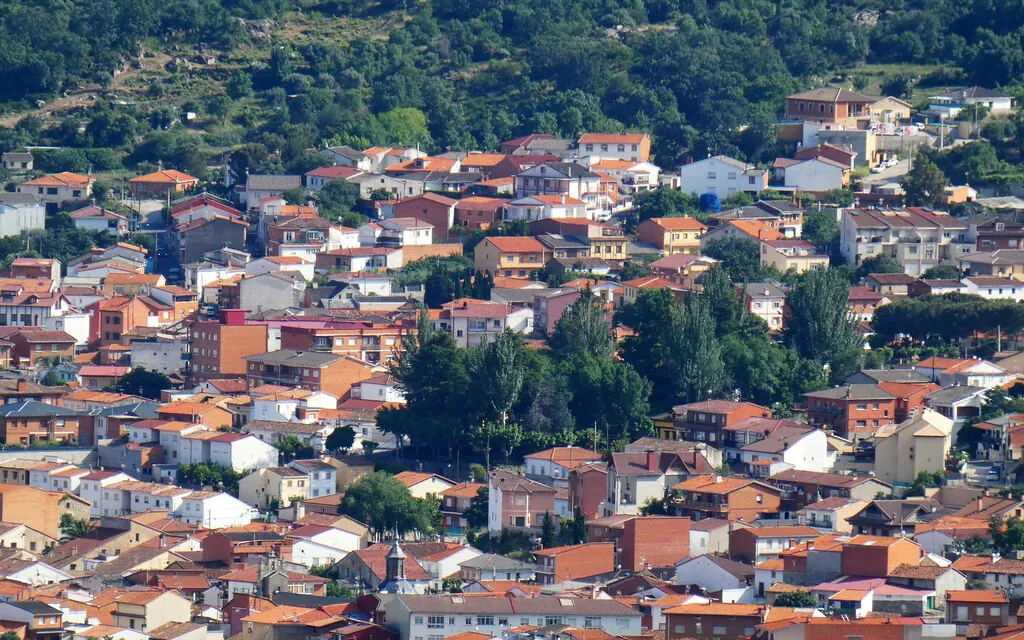
Todo aquí está hecho de granito. Los muros son gruesos, con pocos huecos al exterior para guardar el calor. Los tejados, a dos aguas pronunciadas, se diseñaron para soportar la carga de la nieve. No hay monumentos grandiosos. El interés está en ver cómo cada construcción se adapta al terreno y al clima: una arquitectura que responde a la pendiente y a la exposición, no a modas estéticas.
El núcleo es compacto y se recorre en poco tiempo. La iglesia parroquial, también de sillería granítica, es un edificio sobrio construido con más sentido práctico que ornamental. Organiza a su alrededor una pequeña plaza y las calles adyacentes.
En esas calles se ven las viviendas de piedra, con balcones de madera y corrales adosados. Algunas conservan los hornos de pan y los portones anchos, pensados para el paso de carros o animales. No es un decorado restaurado: muchos de estos espacios siguen cumpliendo su función original.
El paisaje inmediato
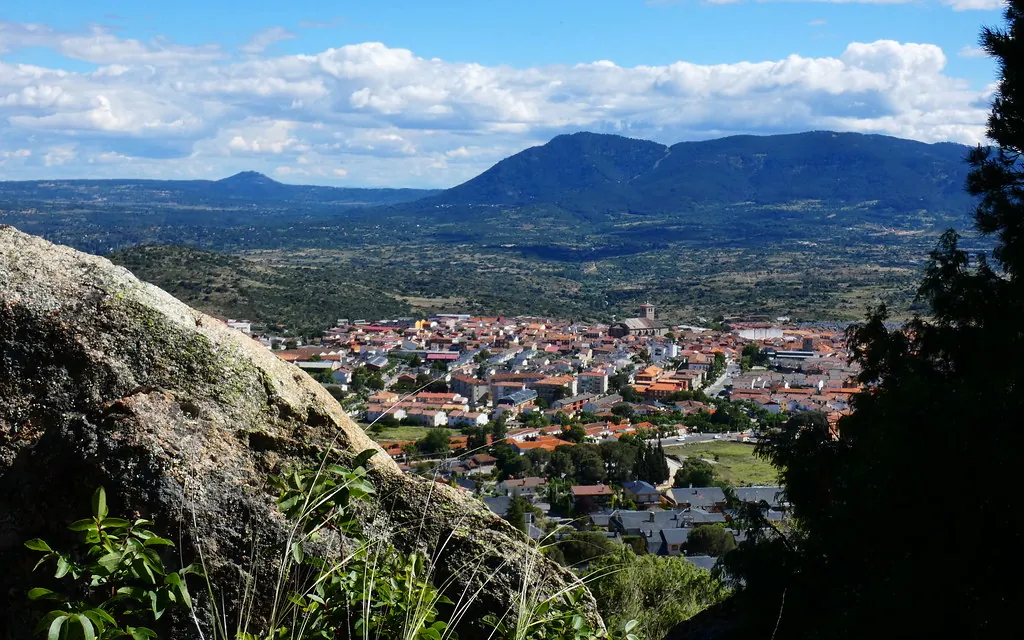
A pocos minutos de las últimas casas, el terreno cambia. Aparecen las praderas altas, interrumpidas por formaciones de granito muy erosionado, y bosques de pino en algunas laderas. Con un poco de atención es habitual ver aves rapaces sobrevolando los valles. La sensación de amplitud es instantánea, marcada por la altitud y la falta de barreras visuales.
Varios caminos antiguos salen del pueblo. Fueron las vías que conectaban con otras aldeas y con los pastos de verano. Algunos se mantienen transitables para caminar. Son rutas de montaña, con desniveles y terrenos que varían según la estación.
Al ganar altura, se abren vistas amplias sobre el valle del Alberche. En días claros, al sur, se distinguen varios picos de la sierra de Gredos. Esta altura condiciona la visita: en invierno, la nieve suele cubrir los caminos durante semanas, lo que altera el acceso y acentúa el aislamiento que caracteriza buena parte del año.
La noche trae otro elemento notable. Con una iluminación pública mínima y lejos de núcleos urbanos grandes, el cielo puede mostrarse excepcionalmente despejado cuando el tiempo lo permite. La oscuridad forma parte de la experiencia del lugar, determinada tanto por la geografía como por la demografía.
Vida práctica y economía local
Los servicios permanentes en Cepeda la Mora son escasos. Los visitantes suelen planificar teniendo en cuenta pueblos cercanos para compras básicas o gestiones. La pequeña población y el entorno montañoso explican esa limitación, sobre todo fuera de los meses de verano.
La economía local mantiene un vínculo directo con el campo. En los alrededores se produce carne de vacuno, legumbres de secano, patatas de montaña y miel. Son productos habituales en muchas casas de la comarca, que reflejan un patrón de vida marcado por el clima y el suelo, donde lo que se cultiva o cría responde a la altitud y a la estación.
El ritmo anual
El verano introduce un cambio perceptible. Regresan vecinos que viven fuera buena parte del año, y el pueblo recupera algo más de movimiento. Las fiestas patronales suelen celebrarse en estos meses, con actos religiosos y encuentros que reúnen a los habitantes.
Fuera de ese periodo, el ritmo es tranquilo. La vida cotidiana sigue vinculada a las tareas ganaderas y al compás de la sierra. Aquí las estaciones aún marcan el paso del año de forma tangible: el invierno cierra con frío y nieve, la primavera abre los pastos altos, el verano reagrupa a la gente y el otoño prepara el terreno para otra larga temporada de viento y heladas.
Cepeda la Mora no propone un itinerario monumental ni repleto. Su carácter está en la altitud, el granito y la continuidad. La arquitectura habla de adaptación, no de exhibición. El paisaje que lo rodea sigue activo y pastoril. En una parte de la Sierra de Ávila donde mandan el tiempo y el terreno, el pueblo continúa ajustándose a patrones establecidos hace mucho, definidos por más de 1.500 metros de elevación y por el ritmo pausado del valle del Alberche que queda abajo.