Full Article
about Hoyocasero
Known for its Scots pine forest (a nature reserve) and unique flora; a high-mountain village.
Hide article Read full article
First impressions in the Alberche Valley
It is easy to arrive in Hoyocasero expecting a brief stop on the way to Gredos. From the road, it can look like just another stone village among many in this part of Castilla y León. That impression shifts quickly once you step out and walk a little. The surrounding landscape takes over. Pine forests wrap around the village, and the quiet is the kind you notice straight away.
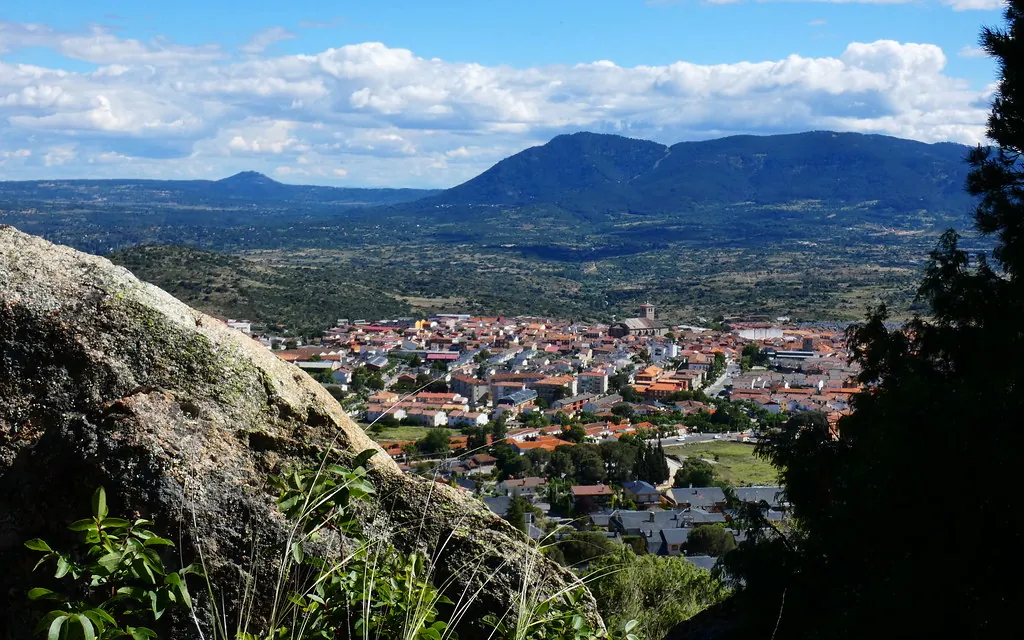
Hoyocasero sits in the Valle del Alberche, already close to the Gredos mountains, at more than 1,300 metres above sea level. That altitude shapes daily life. The air feels cooler, winters are properly cold, and there is a sense of being slightly removed from busier places.
This is not a destination that tries to draw attention. It feels tied to its setting, where the rhythm comes from the land rather than from visitors.
A village shaped by stone and routine
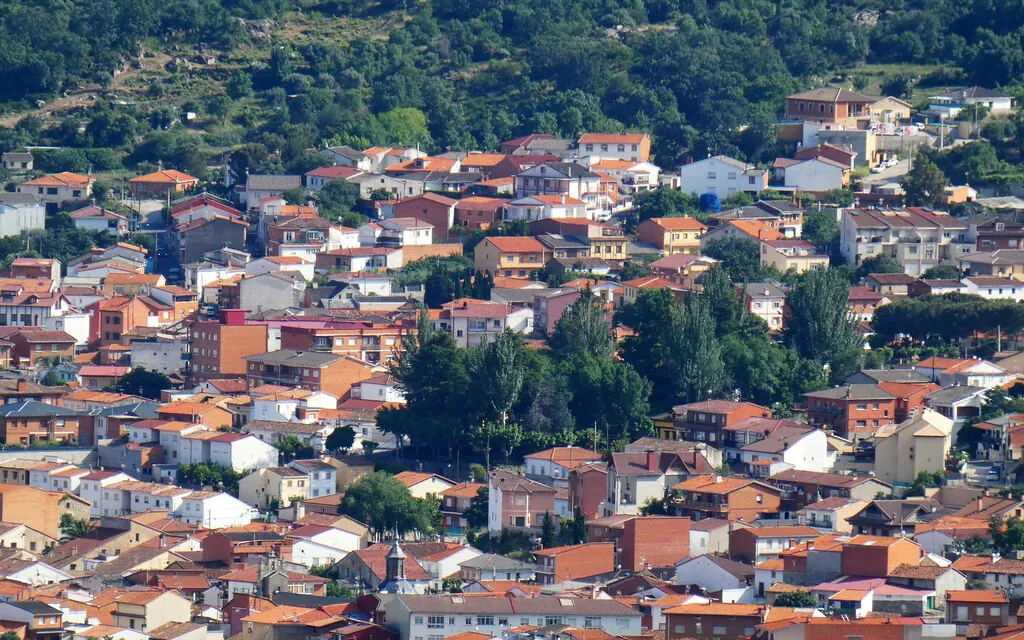
The layout of Hoyocasero reflects continuity more than design. Streets are not arranged for show, and there is no sense of a staged historic centre. Slopes run through the village, granite houses line the streets, and everyday life carries on without much fuss.
The buildings follow the local architectural style closely. Stone walls, simple roofs and wooden balconies appear throughout. Those balconies serve practical purposes. They have been used for drying clothes or storing firewood, and they remain part of how homes function rather than decorative features.
At the centre stands the church of San Bartolomé. Built in stone and notably restrained, it has long been the focal point of the village. Its interior matches that simplicity. Decoration is minimal, and the space reflects the way people have lived in this part of Ávila for generations, with a focus on use rather than display.
Forests that are part of daily life
Nature around Hoyocasero is not a backdrop. It forms part of everyday routines. The pine forests known as El Hoyo stretch out around the village, creating a wide wooded area dominated by pines. In some sections, oaks appear along the slopes, breaking up the uniformity of the forest.
This is not a managed park with marked attractions. You will find forest tracks, dirt roads and paths used by locals, livestock keepers or walkers heading out for a long stretch. It is the kind of place where you can walk for quite some time without encountering anyone.
The landscape changes noticeably with the seasons. Spring brings very green meadows, and the air carries the scent of resin mixed with damp grass. Autumn tones down the colours of the forest, and if the cold arrives early, the peaks of Gredos begin to show traces of snow. From certain points in the village, the Valle del Alberche opens up clearly, especially early in the day or as the light starts to fade.
Moving through pine and rock
Hoyocasero offers plenty of ground for those who enjoy walking. Numerous rural paths leave the village and lead into the forest. Some are wide tracks that any car can use without difficulty. Others narrow into smaller paths where it is better to go at a slower pace and, if possible, carry a map or GPS.
Summer days can feel intense in the sun, so shade under the pines becomes important. The difference is noticeable once you spend time out on the trails. Water, a hat and solid footwear make a clear difference when distances start to add up.
Autumn introduces another familiar activity in the area: mushroom foraging. Many people come to these pine forests when the season is right. Knowledge matters here. It is advisable to know exactly what is being collected or to go with someone experienced, as the natural environment is taken seriously.
Wildlife, if you wait for it
Wildlife does not appear on demand, but patience usually brings some reward. Deer may cross in the distance. A fox might slip quickly between the trees. Birds of prey circle above the valley.
Timing and stillness help. Early hours tend to increase the chances, and staying quiet for a while often makes the difference. When the forest settles into silence, movement begins to appear.
Food shaped by the mountains
Cooking in this area follows the traditions of the sierra. Dishes are hearty and straightforward, designed for colder weather and long days outdoors. Grilled meats are common, along with spoon dishes when temperatures drop.
Local specialities include judías del Barco, a type of bean typical of the region, as well as patatas revolconas. Mushrooms also feature when they are in season. This is not a place for experimental cuisine. The food suits the setting, especially after spending time walking through the surrounding countryside.
Celebrations rooted in tradition
The main festivities take place around San Bartolomé, the village’s patron saint, in mid-August. During these days, the atmosphere shifts noticeably. More people gather, families come together, and activities combine tradition with a sense of celebration.
Other events linked to the rural calendar continue to be observed, which is common in villages across this part of Ávila. These occasions reflect a way of life still connected to seasonal cycles.
A place that follows its own rhythm
Hoyocasero does not try to impress or reinvent itself. Life here remains closely tied to the forest and the surrounding landscape. A visit often becomes about simple things: walking among pine trees, breathing in the cool mountain air, and adjusting to a slower pace.
The appeal lies in that balance between village and environment. A long walk, quiet surroundings, and the sense of being somewhere where the land still sets the tempo can be enough.