Full Article
about Navaluenga
Key tourist spot on the Alberche; known for its natural pools and Roman bridge.
Hide article Read full article
When the GPS shows just over 40 kilometres from Ávila and the sign for Navaluenga comes into view, it is easy to assume this is one of those villages you can cover in half an hour. Then you park, head down towards the river, and realise it works differently.
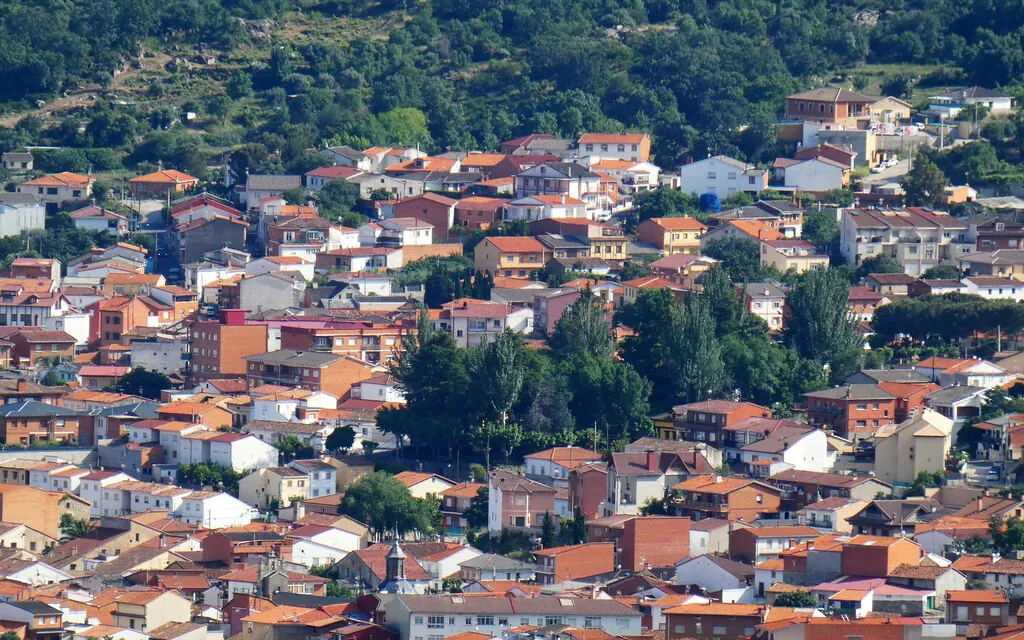
In winter, just over two thousand people live here. In August, that figure seems to multiply. The Alberche has a lot to do with it.
The bridge that sets the tone
The image that appears most often in photographs is the stone bridge. It is commonly described as Romanesque, although in reality it was built later. The label hardly matters. You cross it and the river opens out into a bathing area with sand and the shade of pine trees. This is the well-known playa fluvial, an inland river beach.
The plan becomes clear very quickly: cold water, families with cool boxes, and the smell of barbecues at weekends. It feels like having a stretch of coast in the interior, a little over an hour from Madrid. The downside is exactly what you would expect. In August it can be difficult to find space to lay down a towel. If there is flexibility, June or September tend to work better. The water is still cold, but the atmosphere is calmer.
The river shapes daily life in summer. Much of the village activity gravitates towards this stretch of the Alberche, and the bridge acts as both landmark and meeting point. Even those who come for the hills usually end up here at some stage of the day.
Climbing up to come down properly
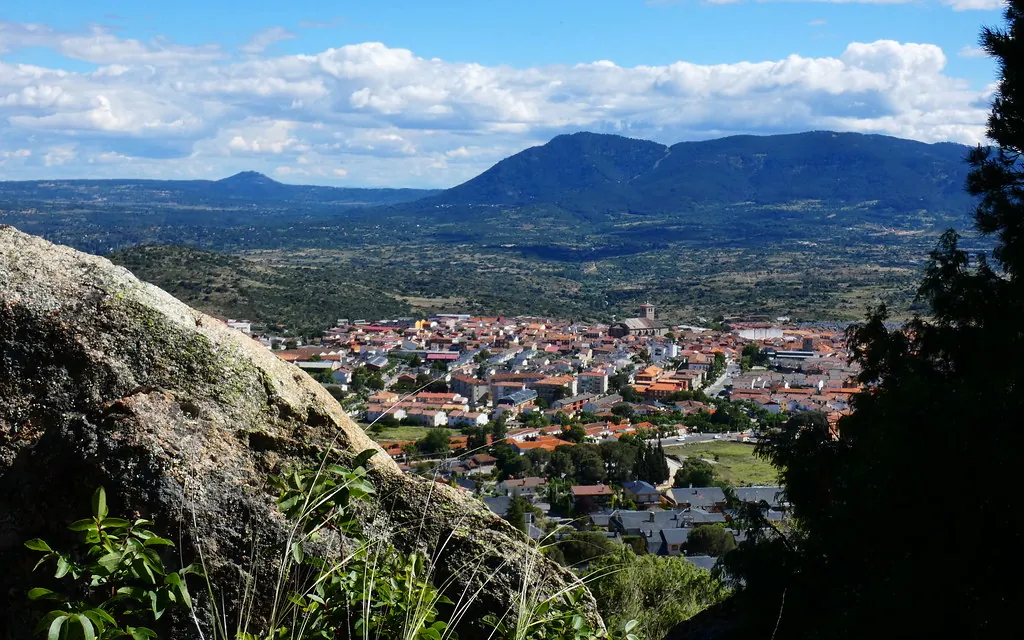
Navaluenga has that quality of a place where your gaze keeps drifting towards the sierra. You set out for a short stroll and, ten minutes later, start wondering what the view might be like a little higher up.
The PR‑AV 10 passes through the area, a circular walking route of around 15 kilometres. It begins gently, almost like an easy ramble, then gradually reminds you that this is Gredos. The elevation gain makes itself felt in the legs. At the top, the view opens towards the Tiétar valley and the effort fades fairly quickly.
For those not in the mood for a demanding walk, there are shorter options. The route to the Silla de la Novia is one of the best known. At roughly seven kilometres, it is more manageable and offers wide views over the valley. Even so, taking water is sensible. Every summer there is someone who assumes that “short route” means setting off with nothing at all.
These paths reflect the village’s setting between river and mountains. It is easy to combine a morning swim with an afternoon walk, or the other way round. Distances are short, and the transition from water to hillside happens almost without noticing.
Details the brochures skip
Behind the church of Nuestra Señora de los Villares stands a potro de herrar. Many people walk past without quite knowing what it is. Essentially, it was a structure used to hold livestock still while horseshoes were changed or injured legs treated. Four granite blocks and a system of ropes made it work. It looks simple, yet it explains a great deal about how village life once functioned.
At the ermita de la Merced, two crosses are embedded in the wall. They are not decorative. They recall periods when this area was a place of passage and frontier. On Maundy Thursday, “La Despedida” is still sung here. It is not staged as a show for visitors. The feeling is closer to a family story repeated each year, with everyone listening because it belongs to them.
If absolute peace and quiet is the aim, Holy Week may not be the ideal moment. The Romances processions draw people from across the surrounding comarca. The streets fill, and the village adopts a more intense rhythm for a few days.
February brings a different kind of energy. If Carnival falls in that month, Navaluenga comes alive with costumes, parades and music in the square. It is not a vast carnival, yet there is a clear sense of local involvement. People participate rather than watch.
In May, the sierra turns very green and the valley carries the scent of thyme. Around that time, the romería of the Virgen del Espino traditionally takes place, creating a lively atmosphere in and around the village. These seasonal shifts give Navaluenga distinct moods across the year.
Meat, beans and late-summer peaches
Eating well in Navaluenga does not require elaborate planning. This is the province of Ávila, and meat features prominently on many menus. The chuletón, a large T-bone steak typical of the area, is the classic order.
Judiones del Barco also appear regularly. These large white beans are usually served in hearty, spoon-based dishes that suit cooler days. They are filling and straightforward, the sort of food that matches time spent outdoors.
As summer draws to a close, another local product takes centre stage: the melocotón de Navaluenga. Peach growing has long been a traditional crop here. The fruit is sweet with a slight acidity, and it is easy to find yourself reaching for more than one.
In the wider valley, Garnacha wines from the Alto Alberche are gaining attention. The vineyards sit at altitude, and the cool nights influence the grapes. The resulting wines are often lighter than many people expect from this part of Spain.
Food and drink here follow the seasons closely. River days, walking routes and what appears on the table all seem to move in step.
When to go without losing your patience
Summer revolves around the river. The playa fluvial fills up, walking routes are dry underfoot, and it is peach season. It is also when the number of cars increases and parking near the centre becomes more complicated.
September tends to strike a balance. The river is still inviting, visitor numbers drop noticeably, and the nights return to being cool.
May offers green hillsides and fragrant air, along with the romería atmosphere. February, if it coincides with Carnival, brings several days of costumes and music. Each period has its own character.
Navaluenga does not compete to be the most beautiful village in Gredos. Others play that game. What it does have is balance.
It is possible to swim in the river in the morning, walk in the sierra after lunch, and end the day sitting in a quiet square. Everything is close at hand. The kind of place where the day’s plan forms almost by itself, and where, if you return the following summer, you already know exactly where to leave your towel.