Full Article
about Navaquesera
One of the highest and smallest villages; stunning views and stone architecture
Ocultar artículo Leer artículo completo
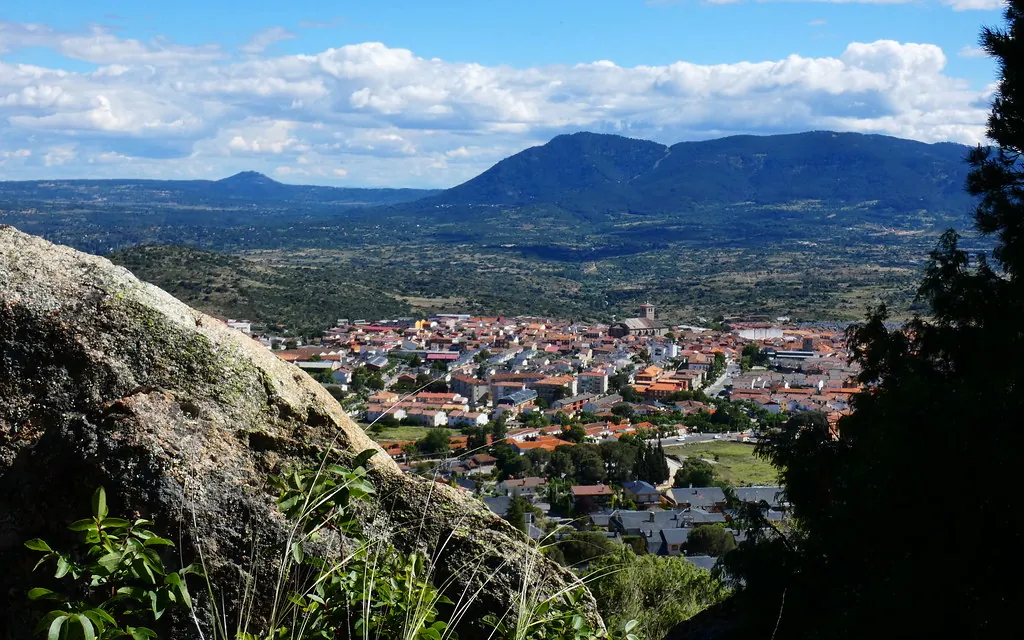
The sheep outnumber people most days in Navaquesera. At 1,509 metres, this Sierra de Gredos settlement operates on mountain time—everything moves slower, including the clouds that scrape across slate rooftops built to withstand six months of winter.
Drive seventy kilometres southwest from Ávila and the road narrows dramatically after Arenas de San Pedro. What follows is twenty minutes of tight switchbacks where stone walls press against the passenger side and the valley drops away to your left. Hire cars return scraped; locals in battered 4x4s barely slow down. In January these bends ice over completely—chains aren't optional, they're survival gear.
Stone, Slate and Survival Architecture
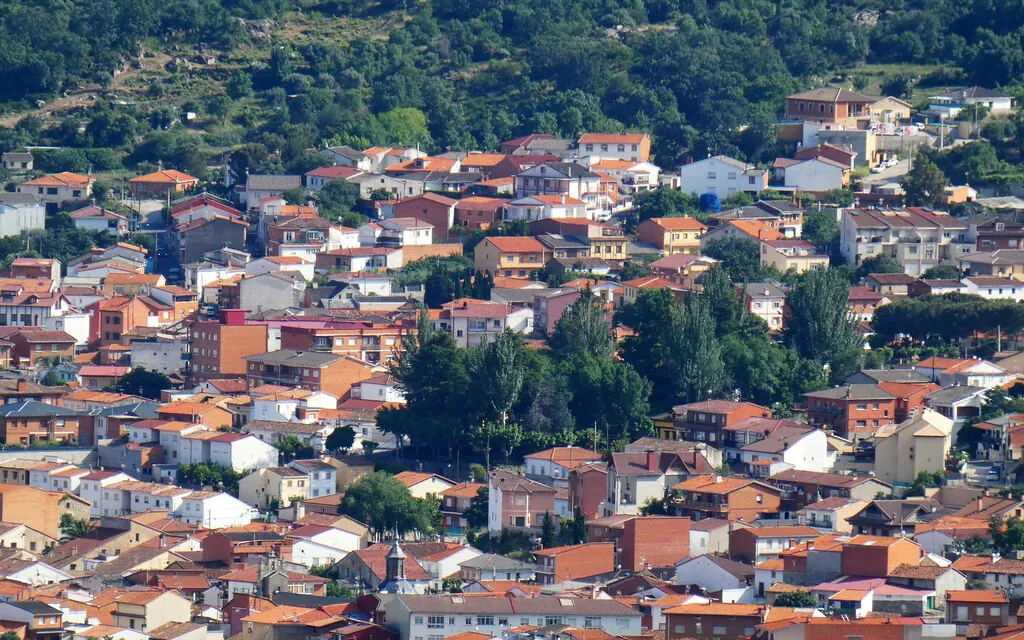
No one built anything here for show. The village's stone houses squat low against the wind, their tiny windows facing south to grab every photon of weak winter sun. Walk the single main street at dusk and you'll notice every roofline angles identically—45 degrees sharp enough to shed snow before the weight collapses the beams. Granite walls run a metre thick; summer midday heat takes until midnight to penetrate indoors.
The fifteenth-century church follows the same pragmatic logic. No soaring spire, just a solid square tower that doubles as the municipal clock. Inside, the temperature holds steady at twelve degrees year-round—bring a jumper even in August. The altar's carved from local oak, darkened by centuries of peat smoke since parishioners burned what they could find during the worst winters.
Photographers arrive in October expecting postcard views. What they get is real weather: Atlantic fronts slamming moisture against granite peaks, turning oak forests copper-gold between storms. The light changes every four minutes. Bring waterproofs and a lens cloth—spray from passing lorries on the access road will coat your filter in grit within seconds.
Walking Tracks That Demand Respect
Trailheads start directly from the village square, though you'd miss them without local guidance. The PR-AV 51 follows an old drove road up to Puerto de Chilla at 1,850 metres—a three-hour climb through scented pine where wild boar dig alongside the path. Markers exist but snow buries them November through March; GPS coordinates downloaded offline save lives here.
More ambitious walkers tackle the seven-hour circuit to Circo de Gredos, but mountain rescue stresses one fact repeatedly: afternoon storms build behind the peaks unseen until they explode over the ridge. Two British hikers required helicopter evacuation last September after ignoring gathering cloud. The nearest hospital sits ninety minutes away in Ávila—assuming the road stays open.
Spring brings different hazards. Melting snow swells the Alberche River, turning simple stream crossings into waist-deep torrents. May temperatures can swing from minus two at dawn to twenty-eight by midday; layers matter more than the latest technical fabric. Local farmers still judge weather by cloud formation over Pico Almanzor—they're invariably more accurate than the Met Office forecast.
Where Dinner Requires a Drive
Food shopping means a forty-minute drive to Arenas de San Pedro. The village has no shops, no bakery, no permanent bar. One mobile grocer visits Tuesday mornings; miss him and you're eating tinned goods until Saturday. Accommodation rentals warn guests explicitly: bring provisions or plan daily road trips.
What you can source locally walks on four legs. Regional specialties depend entirely on altitude—cabrito (kid goat) raised above 1,200 metres develops differently from valley herds. The meat's leaner, almost gamey, best slow-cooked with mountain herbs that grow between granite boulders. Ask at Bar Gredos in nearby San Juan de Gredos; they'll phone the goatherd directly if you order a day ahead.
The area's bean crop—judiones del Barco—needs specific soil chemistry found only at certain elevations. Fraud happens; restaurants have been caught serving cheaper imports from Segovia. Authentic beans cost €8 per kilo dried, triple the supermarket price, but double in size when soaked and taste of the mineral-rich soil that produced them.
Winter Lock-In and Summer Overflow
January transforms Navaquesera into a snow globe minus the shaking. drifts reach first-floor windows; residents tunnel between houses. The council keeps one road lane open using a single plough—if it breaks, everyone waits. Power cuts last days, not hours. Mobile signal fails regularly. This isn't quirky rustic charm, it's basic infrastructure struggling with geography.
Yet summer brings the opposite problem. August population swells to maybe 200 as descendants return for fiestas. The one village fountain becomes a social hub; queues form for morning coffee at a bar that opens seasonally in someone's garage. Parking—free and plentiful in February—requires patience and creative reversing when every space fills with Madrid-plated SUVs.
A local council initiative offers three-month winter rentals at €200 monthly to attract remote workers. The reality: fibre optic stops five kilometres short, heating bills exceed rent, and the nearest coworking space is an hour's drive. Two London graphic designers lasted six weeks before retreating to the coast.
Booking Beds and Managing Expectations
Accommodation divides clearly between two options. The Airbnb villa with pool—yes, really—commands £180 nightly despite water temperatures that rarely exceed 18 degrees even in July. Reviews praise mountain views but complain bitterly about wasp invasions during late summer fruit season. The unnamed hotel (actual name: Hostal El Parque) offers twenty basic rooms at €45 including breakfast. Sheets are clean, walls are thin, and the Wi-Fi password hasn't changed since 2014.
Neither option includes dinner within walking distance. The closest restaurant sits four kilometres down the mountain at a petrol station roundabout—surprisingly excellent grilled trout, but a €20 taxi ride each way after house wine. Self-catering guests discover induction hobs trip the village's ageing electrical system when everyone cooks simultaneously at 8 pm.
Check-out times flex around owner's schedules. One couple waited three hours for their deposit return while the cleaner drove up from the valley—her car wouldn't start in the frost. Build buffer time into departure plans, especially for Sunday flights from Madrid.
The Honest Verdict
Navaquesera delivers exactly what it promises: dramatic altitude, genuine isolation, and weather that can kill the unprepared. The village suits travellers who've exhausted Spain's gentler landscapes and crave edge-of-wilderness experience without helicopter drops into the Pyrenees. Come prepared with provisions, contingency plans, and realistic expectations about rural infrastructure.
Or don't come at all. Spain offers countless mountain villages with restaurants, shops, and pavements wider than a single vehicle. Choosing Navaquesera means prioritising altitude over amenities—and accepting the consequences when the snow starts falling.