Full Article
about Navarrevisca
A lively mountain village known for its cultural scene and natural setting.
Hide article Read full article
Navarrevisca, o cuando el pueblo no gira en torno a ti
Hay sitios que te reciben con un cartel de "bienvenidos turistas". Navarrevisca no es uno de ellos. Llegas, aparcas donde puedes (que no es difícil), y durante los primeros cinco minutos te preguntas si has entrado en un domingo por la tarde perpetuo. Ese es el punto. Este pueblo del Valle del Alberche no está aquí para entretenerte. Funciona, con suerte, contigo de fondo.
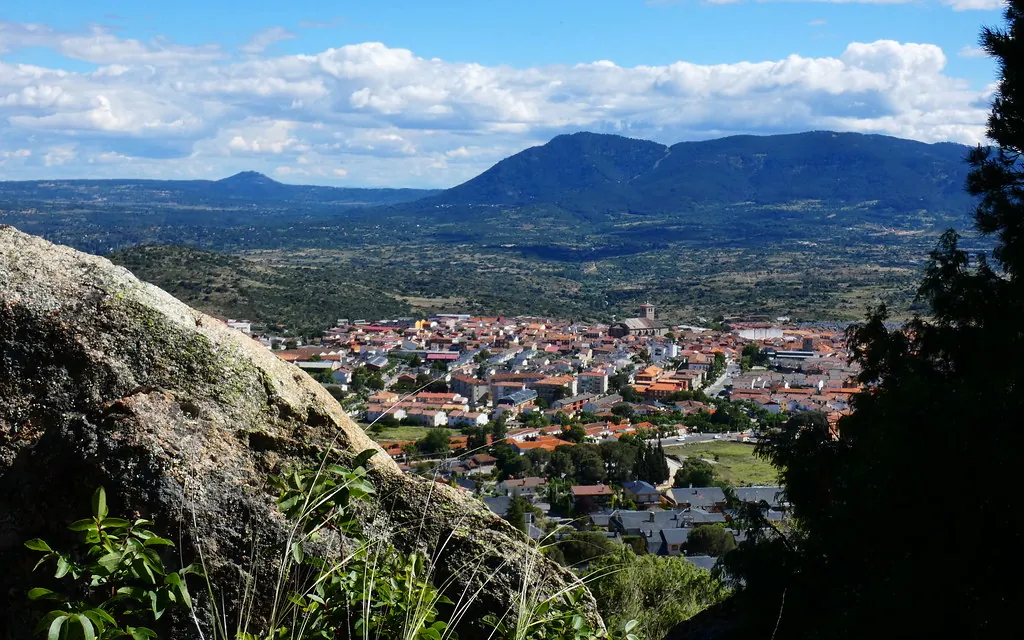
Está a más de mil metros, pegado a las faldas de Gredos, y lo notarás en los pulmones y en la luz. Viven menos de 300 personas. No hay tráfico constante, ni ruido de fondo que no sea el viento o algún tractor a lo lejos. La sensación es la de llegar a casa de unos familiares un poco lejanos: eres bien recibido, pero la vida sigue su curso sin hacerte demasiado caso.
Casas para aguantar el invierno, no para Instagram
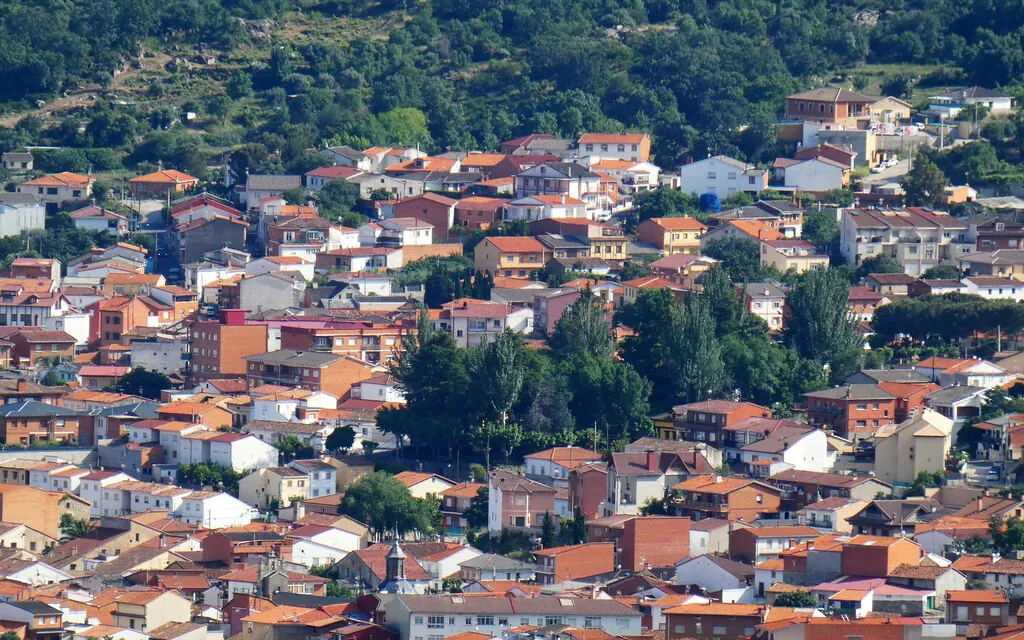
Un paseo por sus calles te lo deja claro rápido: aquí la arquitectura tuvo un jefe llamado "sentido común". Muros de piedra gruesos, tejados de teja árabe y calles que se tuercen siguiendo la cuesta, como si evitar una pendiente brusca fuera más importante que quedar bien en una foto.
No es un decorado. Es un pueblo construido para soportar el frío del invierno y los veranos secos de la sierra. Verás establos reconvertidos en trasteros, pequeñas huertas pegadas a las casas y muros con musgo. El conjunto tiene una coherencia práctica que, aunque no sea espectacular, acaba gustándote. Es honesto.
Donde acaba el asfalto empieza lo bueno
Lo mejor de Navarrevisca sucede cuando sales de él. Una de sus grandes virtudes es cómo se desdibuja la frontera entre el pueblo y el campo. No hay grandes paneles informativos; muchas veces un sendero comienza donde termina el último bordillo.
Son caminos tradicionales que conectan con pueblos como Hoyocasero o San Juan del Molinillo. Antes eran las carreteras de verdad. Ahora son rutas para caminar donde un sentido básico de la orientación viene bien—hay tramos donde el camino se confunde con una pista forestal o donde la vegetación aprieta un poco. Nada complicado, pero tampoco es ese senderismo marcado cada cien metros con una flecha perfecta.
La recompensa es espacio, silencio y la silueta constante de la Sierra de Gredos al fondo.
La iglesia y el paseo que no te quita la mañana
El edificio principal es la iglesia parroquial. Como muchas por esta parte de Castilla y León, es sobria: piedra, proporciones sencillas, sin florituras. No es una catedral; es un lugar útil que ha ido arreglándose con los años.
Puedes recorrer el núcleo del pueblo con calma en media hora. Lo interesante no está en ningún monumento señero, sino en los detalles cotidianos: una fuente antigua, los dinteles de granito sobre las puertas, el sonido del agua bajando por alguna reguera escondida.
Vivir con Gredos al lado
Aquí el paisaje lo es todo. El carácter viene dado por los afloramientos de granito, los bosques de pino y esa sensación constante de estar en terreno elevado. Para quien le guste caminar, hay mucho donde perderse (no literalmente) sin necesidad de grandes travesías.
A menudo verás buitres leonados trazando círculos sobre el valle. El íbice está por la zona, aunque hace falta suerte y paciencia para verlo. La naturaleza no se presenta como un espectáculo; simplemente está ahí, que es mucho mejor.
Comida contundente y fiestas para los del pueblo
Gestiona tus expectativas respecto a servicios: dependiendo del día y la temporada, puede que encuentres poco abierto. Navarrevisca vive hacia dentro.
La cocina tradicional sigue muy viva porque es lo que se come aquí cada día: judías del país, guisos de cuchara y carne local. Son platos contundentes que saben especialmente bien después de una mañana caminando por la sierra.
Las fiestas siguen esa misma lógica: son celebraciones locales (romerías, festividades patronales) para los vecinos. No están montadas para atraer forasteros.
¿Merece una visita? Depende. Si buscas animación nocturna o tiendas de souvenirs… mal empezamos. Si lo que quieres es andar por senderos tranquilos sentir el ritmo lento propio , entender cómo vive un pueblo serrano sin postureo , entonces sí. Ven sin prisa , mejor si traes calzado cómodo ,y déjate llevar por ese ritmo que aquí nadie tiene intención cambiar