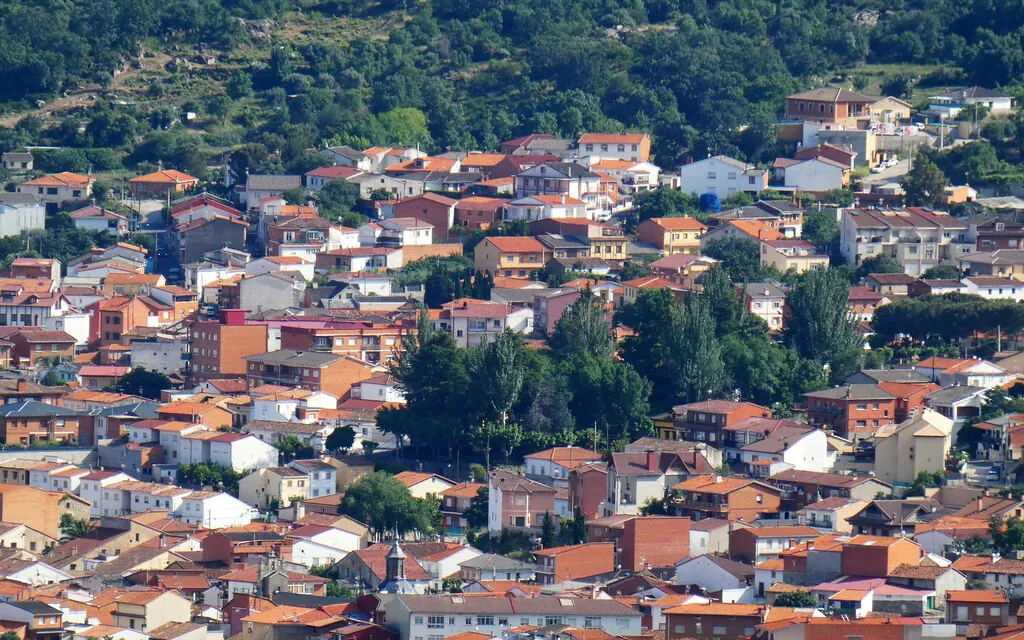
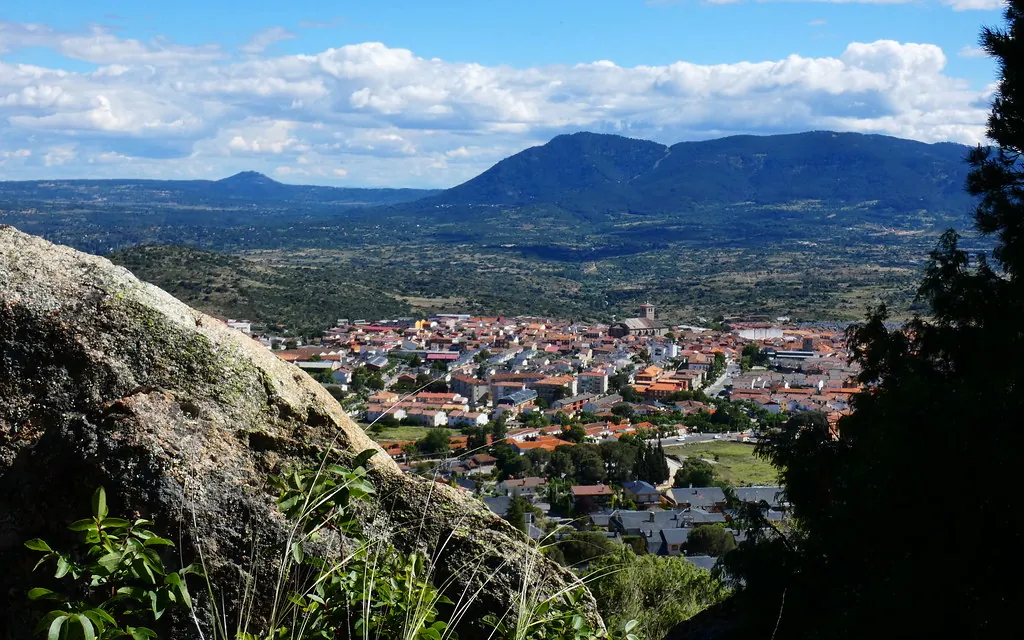
Vista aérea de Serranillos
Instituto Geográfico Nacional · CC-BY 4.0 scne.es
Castilla y León · Cradle of Kingdoms

Serranillos

The morning mist clings to the granite walls at 1,220 metres, and Serranillos smells of cold pine resin and woodsmoke. This is not southern Spain's...

247 inhabitants · INE 2025
1220m Altitude

Why Visit

Mountain Church of San Pablo Mountain biking

Best Time to Visit

summer

San Blas festivities (February) agosto

Things to See & Do
in Serranillos

Heritage

  • Church of San Pablo
  • Serranillos Pass

Activities

  • Mountain biking
  • Hiking

Festivals
& & Traditions

Fecha agosto

Fiestas de San Blas (febrero), Fiestas de verano (agosto)

Las fiestas locales son el momento perfecto para vivir la autenticidad de Serranillos.

Full Article
about Serranillos

High-mountain village at the pass of the same name; spectacular views and pure air

Ocultar artículo Leer artículo completo

The morning mist clings to the granite walls at 1,220 metres, and Serranillos smells of cold pine resin and woodsmoke. This is not southern Spain's postcard coast but the southern slopes of the Sierra de Gredos, where the Alberche Valley drops away in sharp folds and the village's 244 residents still organise their day by daylight rather than diary appointments.

Stone here is not backdrop but backbone. Every house, every narrow lane that claws up the hillside, every threshold worn smooth by three centuries of boots is hewn from the same grey granite that breaks through the soil like bones. The architecture makes no concessions to prettiness: balconies sag under the weight of winter firewood, wooden gates hang slightly askew, and roofs sit low against the wind that arrives straight from the Castilian plateau. What Serranillos offers instead is integrity—buildings that have withstood blizzards when the only road in was blocked for days, and which still echo with the rhythms of a life tied to livestock and timber.

Walking the Labyrinth

Leave the car by the stone trough at the entrance; the lanes are barely wider than a donkey cart and twice as unforgiving. The village unfolds upwards, not outwards. Calle Real, the closest thing to a main street, climbs past houses whose ground floors once sheltered goats and whose upper storeys still dry red peppers in October window light. Halfway up, the parish church squats solidly, its bell tower more fortress than spire. Step inside and you get five minutes of rural Baroque retablos and the smell of beeswax—nothing curated, simply still in use.

Keep climbing. The cobbles slick with mountain dew lead to a mirador that wasn't built for selfies but for watching weather. From here the Alberche Valley stretches south like a crumpled green blanket, and on clear mornings the granite teeth of the Gredos crest catch snow even in May. The air thins enough to notice if you've come from Madrid's 650 metres; breathing feels cleaner, almost metallic.

Turn back at dusk. Street lighting is thoughtful rather than generous, and the stones remember every stumble. Somewhere a dog barks once, then thinks better of it. Silence reasserts itself quickly at this altitude.

Forest Time

Serranillos ends where the pine forest begins. Within ten minutes of closing your guesthouse door you can be under mature Scots pine, the needles muffling every footstep. Way-marked routes exist, but the old drove roads—stone walls each side, grass strip down the middle—are more honest. Follow one east and you reach the abandoned hamlet of Navalosa in an hour, roofless houses now home to tawny owls. Head west and the track dips into a holm-oak dehesa where Iberian pigs still graze; their nutty ham turns up later on dinner plates back in the village.

Autumn brings mushroom pickers carrying wicker baskets and pocket knives. The rules are simple: know what you're picking, leave the small ones, never use plastic bags. Even locals carry a dog-eared fungi guide; mistakes at 1,200 metres can ruin more than breakfast. October weekends see silent competition for the best níscalos (saffron milk-caps) under the pines, but weekdays you can walk for an hour and meet only jays arguing over acorns.

Winter rewrites the contract. Snow can arrive overnight in November and stay until March. The provincial plough keeps the main road open, but side streets compress into polished ice chutes. Come properly booted; fashion wellies surrender here somewhere around the first bend. On still February nights the temperature drops to –12 °C, and even inside thick stone walls you hear the timbers contract. This is when the village's handful of bars becomes vital—wood-burning stoves, thick bean stews, and red wine poured into glasses that cost €1.20 yet somehow never empty.

What Gets Eaten

The valley's cooking was designed to answer cold, not cameras. Lunch at the only restaurant still serving weekday menú del día starts at 14:30 sharp and finishes when the stew pot empties. Expect judiones from nearby El Barco—buttery giant white beans slow-cooked with chorizo and pig's ear—followed by chuletón, a beef rib steak the size of a shoe that arrives sizzling on a heated tile. Vegetarians get patatas revolconas, paprika mash enriched with torreznos (crisp pork belly). Ask them to leave off the pork and the cook will, but she'll look worried; fat is insulation here.

Evening options shrink outside weekends. One bar does toasted bocadillos filled with local morcilla (blood sausage shot through with rice and cinnamon) and pours beer at cellar temperature simply because the cellar is the mountain. If you need dinner on a Tuesday in February, buy bread and cheese at the morning van that tours villages—timing is everything when fresh supplies roll in once a day.

Where to Fall Over

Accommodation is scarce and honest. Casa Entre Encinas, halfway between village and forest, offers three rooms in a converted stone house. Radiators work, hot water arrives eventually, and breakfast includes homemade mantecadas (crumbly cakes) plus coffee strong enough to wake a hibernating bear. Expect to pay €70–€85 for a double, less mid-week out of season. The owner keeps maps, walking notes and spare walking poles by the door; ask about trail conditions—last winter's storm brought down pines across several paths.

Alternative beds lie 12 km down-valley in El Barco de Ávila, but staying there turns Serranillos into a drive-by rather than a stay-in. Book ahead for October mushroom season and Easter weekend; otherwise you may end up sleeping in Ávila city, an hour away on roads that twist enough to test breakfast resolve.

Getting Here, Getting Away

No railway comes within 40 km. From Madrid, drive the A-5 to Talavera, then the N-502 through the Gredos gorge—three hours of rising tarmac and sudden bend warnings. Buses reach El Barco de Ávila twice daily from Madrid's Estación Sur; from there a taxi costs €25 and must be pre-booked because drivers live in the next valley. Car hire in Madrid gives flexibility and costs roughly the same as two taxi rides, but remember to refuel before the mountains; petrol stations thin out faster than villages.

Leave early if you're catching an evening flight; winter fog can close the AV-901 for hours, and the Guardia Civil divert traffic via a 60 km detour that GPS politely describes as "alternative route". Snow chains live in car boots from November to April—rental companies pretend they don't exist, local garages sell them for €60 and regard them as essential jewellery.

The Honest Season

Spring brings almond blossom against granite, migrant hoopoes calling from telephone wires, and daytime warmth that still requires a fleece after four o'clock. Summer is the quiet surprise: at 1,220 metres nights drop to 14 °C even when Madrid swelters at 35 °C. August afternoons buzz with grasshoppers but the air never thickens; it's the month villagers finally relax, certain the year's hardest weather is behind them.

Come expecting facilities and you'll leave disappointed. The cash machine vanished when the last bank branch closed; bars will do cashback with a purchase, but bring euros. Phone signal flickers—Vodafone works on the upper street corners, Movistar in the square, nothing in the forest. Wi-Fi exists in the guesthouse, but the router reboots when the generator coughs.

Serranillos does not dazzle; it endures. You leave with granite dust on your shoes, the faint taste of smoked paprika in your throat, and a recalibrated sense of what a village actually needs to keep breathing. Some places sell souvenirs; this one sells silence by the kilo. Weigh your luggage accordingly.

Key Facts

Region
Castilla y León
District
Valle del Alberche
INE Code
05233
Coast
No
Mountain
Yes
Season
summer

Livability & Services

Key data for living or remote work

2024
Connectivity5G available
EducationElementary school
Housing~5€/m² rent · Affordable
Sources: INE, CNMC, Ministry of Health, AEMET

Planning Your Visit?

Discover more villages in the Valle del Alberche.

View full region →

More villages in Valle del Alberche

Traveler Reviews