Casavieja - Flickr
Castilla y León · Cradle of Kingdoms

Casavieja

The bakery shutters stay down on Mondays, the cash machine is ten kilometres away, and the last bus to Madrid leaves at seven sharp. Casavieja does...

1,362 inhabitants · INE 2025
539m Altitude

Why Visit

Mountain pine forests and folk traditions Church of San Juan Bautista

Best Time to Visit

agosto

Hiking through chestnut groves Fiestas de San Bartolomé (agosto)

Things to See & Do
in Casavieja

Heritage

  • pine forests and folk traditions

Activities

  • Church of San Juan Bautista
  • Fuensanta chapel
  • watermills

Festivals
& & Traditions

Fecha Fiestas de San Bartolomé (agosto)

Senderismo por castañares, Rutas a caballo

Las fiestas locales son el momento perfecto para vivir la autenticidad de Casavieja.

Full Article
about Casavieja

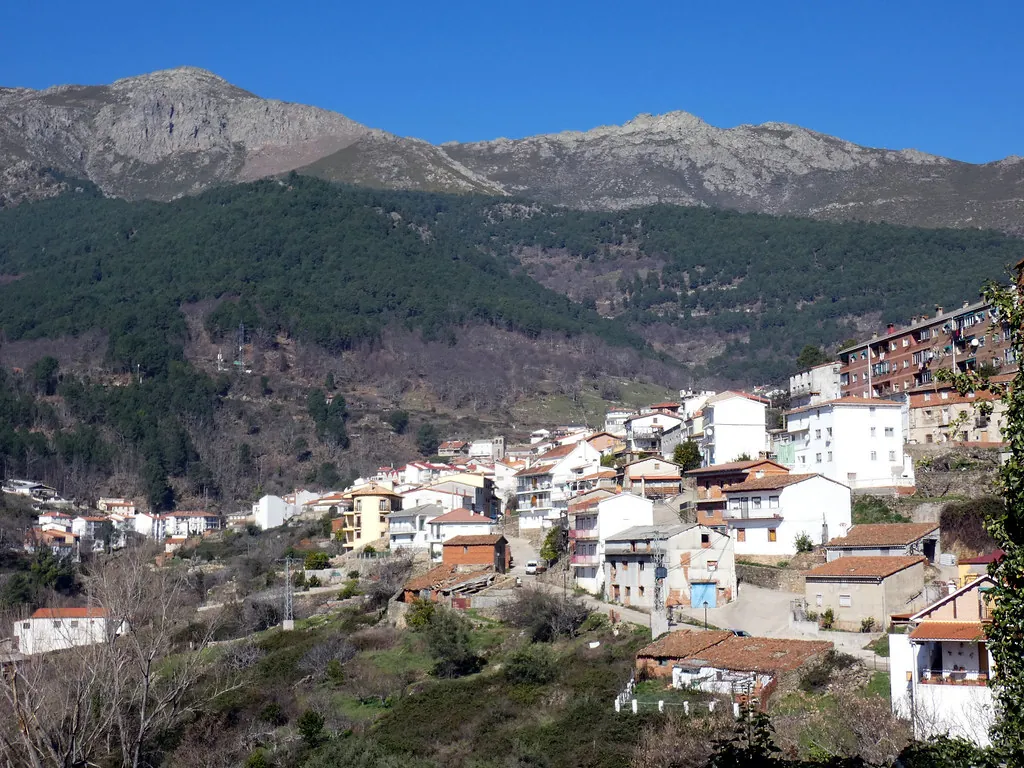
Municipality on the southern slope of Gredos; known for its chestnut groves.

Ocultar artículo Leer artículo completo

The bakery shutters stay down on Mondays, the cash machine is ten kilometres away, and the last bus to Madrid leaves at seven sharp. Casavieja doesn’t apologise for any of this. Instead, the village opens its single Tuesday market stall, fills the bars with farmers discussing chestnut prices, and assumes you’ll cope. Most visitors do—once they’ve learnt to carry euros and shop before two o’clock.

Granite, Chestnuts and the Smell of Wood Smoke

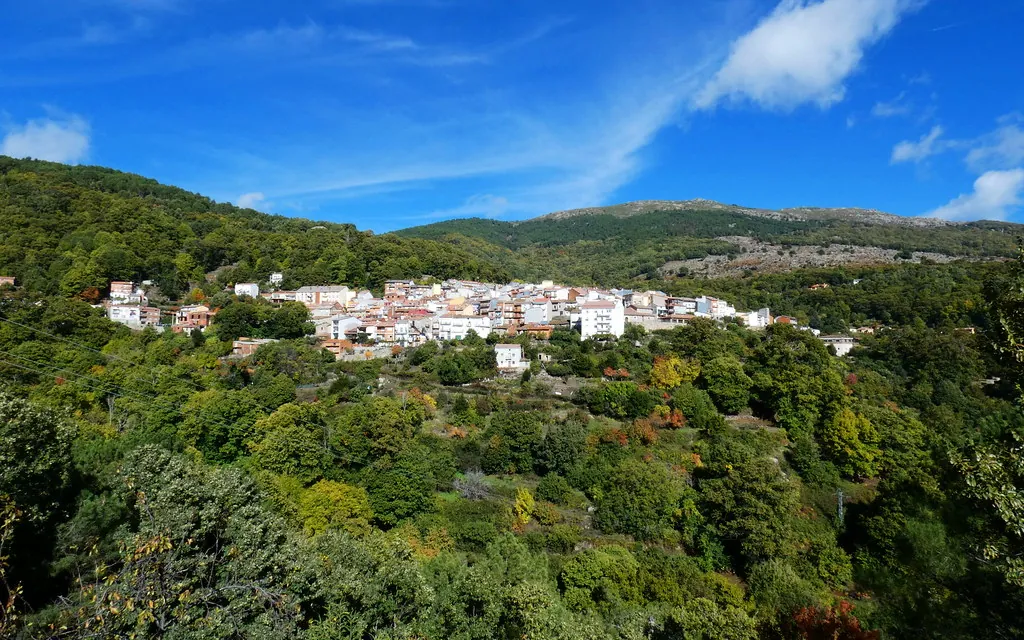
Casavieja sits 540 metres up the southern flank of the Sierra de Gredos, low enough to dodge the worst mountain chills yet high enough that the evening air carries a whiff of pine smoke by late October. The houses are mortared granite the colour of weathered pewter; their timber balconies bulge with geraniums that somehow survive the altitude. Streets taper into alleyways so narrow two umbrellas can’t pass without diplomacy, then widen suddenly into pocket plazas where elderly men still play cards under the church clock.

San Martín, the parish church, is less a landmark than a compass. Lose your bearings among the chestnut woods and a glimpse of its squat Romanesque tower tells you the village centre is twenty minutes downhill. Inside, the nave is plain, the paint sun-bleached, but the brass lectern gleams from centuries of polishing. Sunday Mass at eleven is the only time the bells disturb the siesta hush; even the dogs pause mid-sniff.

Walk five minutes beyond the last streetlamp and you’re in the Garganta de Santa María, a ravine fed by snowmelt from the highest Gredos peaks. The water is cold enough to numb ankles in July; local children treat the granite pools like municipal lidos, bombing off rocks before their mothers can shout “¡Ponte la camiseta!” Early risers get the place to themselves; by midday coach parties from Ávila claim the flatter boulders and the ambience collapses into splashing competition.

Trails That Don’t Require Oxygen Tents

Casavieja isn’t high-altitude trekking. It’s more an oversized hill station: chestnut coppices, abandoned stone terraces, the occasional ibex staring from a crag like a disapproving landlord. The Bosque de La Vela loop (6 km, two hours) starts opposite the football pitch, climbs gently through sweet-chestnut trunks the width of London busses, then pops out onto a bluff where, on clear days, the Almanzor glacier glints 25 km away. Waymarking is decent until the final kilometre; after that you follow cairns and instinct—download an offline map if your sense of direction is as reliable as British rail.

Longer routes link to neighbouring villages: Navalmoral del Tiétar in three hours, or Cebreros in four if you detour past the abandoned quartz mine. None break 1,000 m elevation, so lungs accustomed to Box Hill will cope. Summer heat is the real enemy; start early, carry two litres of water, and don’t trust cloud cover—Gredos weather can flip faster than a tortilla.

Food Meant for People Who’ve Been Mending Fences

Lunch starts at 14:00 sharp and finishes when the chef feels like it. miss the window and you’ll be staring at closed doors until 20:30. La Carrasca, the only hotel inside the village, serves a chuletón al estilo Ávila—1 kg of T-bone, seared outside, almost raw at the bone. One steak feeds two hungry walkers; three if you order judiones de Casavieja on the side—butter beans the size of conkers stewed with bay, ham hock and enough pork fat to silence any vegetarian.

Vegetarians aren’t completely abandoned. Tuesday market brings local peppers, aubergines and tomatoes that actually taste of soil. The tiny Spar on Plaza de España stocks queso de oveja from a cooperative in nearby El Hornillo; crumbly, sharp, perfect with the village’s own pitarra wine. Pitarra is poured from unlabelled carafes, tastes like Rioja on a gap year, and costs €2.50 a glass. Brits who ask for “house red” get a sympathetic nod and a larger measure.

Coffee culture hasn’t arrived. Order a café con leche after 12:00 and the barista assumes you’ve been up all night driving lorries. La Malquerida, the one place with gin-tonic on tap and a rooftop terrace, opens only at weekends; its Himalayan salt lamps and Spotify lounge playlist feel almost seditious amid the village’s otherwise resolute 1950s vibe. Closed Sunday evenings—of course.

When the Village Decides to Wake Up

For fifty weekends a year Casavieja hums at tractor volume. Then August arrives and the population doubles as Madrilenian grandchildren descend. The fiestas start with a foam party in the main square—an event that feels marginally less dignified than tomato-throwing but is taken very seriously. Brass bands march at 03:00; fireworks rattle the church windows; someone always drives a Seat Ibiza up a pedestrian alleyway “because it’s tradition”. Light sleepers should book outside the centre or bring earplugs rated for Heathrow.

October brings the Fiesta del Castañar, gentler and edible. Locals roast chestnuts in perforated dustbins, drizzle them with anise and hand them out free. The air smells like Christmas in Waitrose, minus the tinsel. If you time your visit for this weekend, reserve accommodation early; every cousin within a fifty-kilometre radius claims the spare mattress.

Winter is quiet, occasionally snowy, always cash-only. The Garganta paths ice over; wellies beat walking boots for grip. Yet the light is crystalline, the bars still serve cocido stew at 09:30, and you’ll have the chestnut woods to yourself apart from a lone farmer gathering firewood. Bring layers and a thermos; central heating in village houses is erratic, and the evening temperature drops to single figures faster than you can say “castaño.”

How to Arrive Without a Donkey

Fly Stansted to Madrid, then take the bright-yellow Avanza bus from Moncloa station. Service 551 trundles west through olive plantations and the odd bull-ring town, depositing you at Casavieja’s entrance plaza in one hour forty-five. A single costs €9; buy on board—contactless is accepted even if the village isn’t. The last departure back to Madrid is 19:00; miss it and a taxi to Ávila (€50) is your only escape route.

Car hire gives more flexibility. The A-5 motorway is fast and empty outside August; turn off at Talavera de la Reina and follow the AV-505 into the Tiétar valley. Parking inside the village is free but haphazard—if the church square is full, continue uphill past the cemetery; spaces appear where the tarmac gives up.

No train will ever reach Casavieja. The residents like it that way, and after a weekend you might too. Just remember: euros in your pocket before siesta, water bottle filled before breakfast, and the conviction that nothing urgent will happen until it happens. The village keeps its own time—your phone clock is merely decorative.

Key Facts

Region
Castilla y León
District
Valle del Tiétar
INE Code
05054
Coast
No
Mountain
Yes
Season
agosto

Livability & Services

Key data for living or remote work

2024
ConnectivityFiber + 5G
EducationElementary school
Housing~5€/m² rent · Affordable
January Climate7.1°C avg
Sources: INE, CNMC, Ministry of Health, AEMET

Planning Your Visit?

Discover more villages in the Valle del Tiétar.

View full region →

More villages in Valle del Tiétar

Traveler Reviews