Full Article
about El Arenal
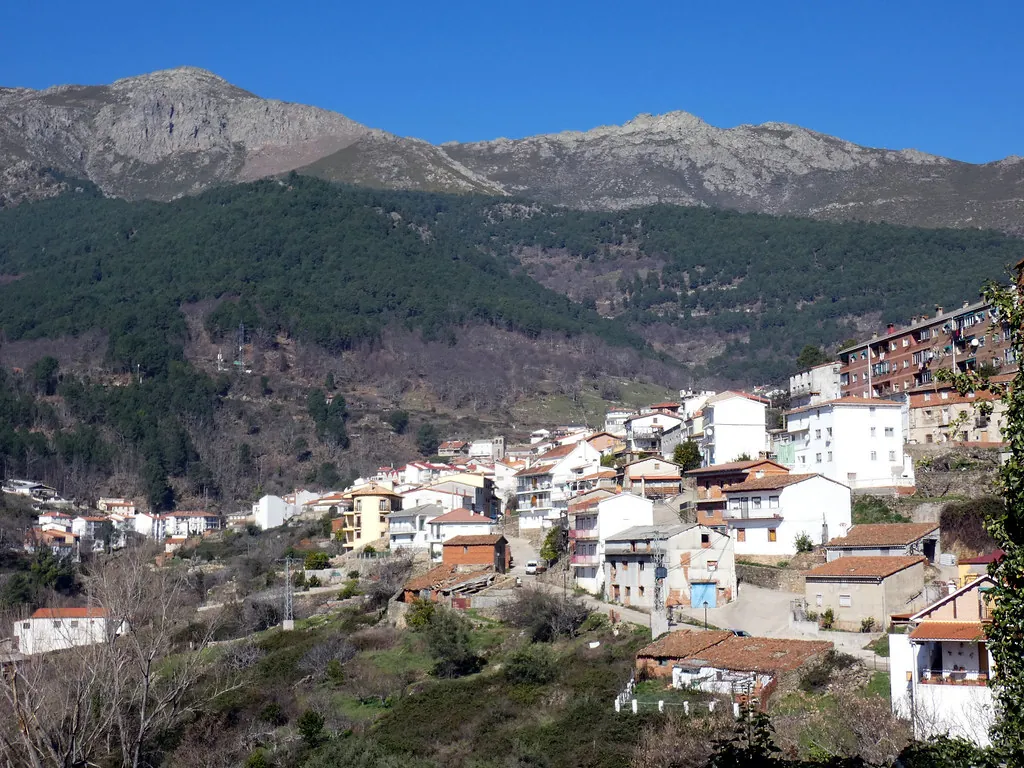
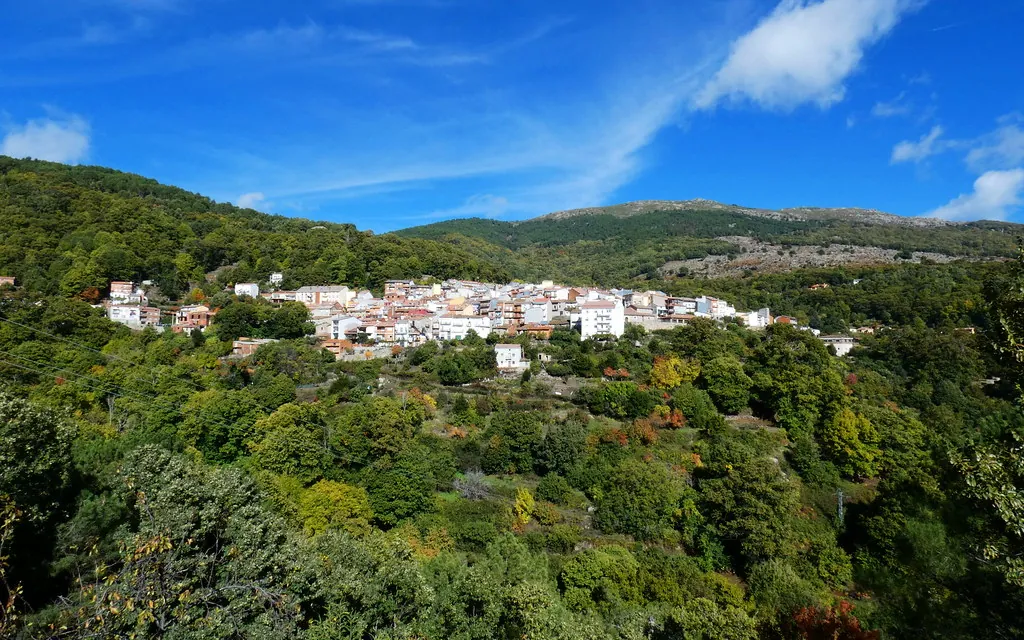
Mountain village in the heart of Gredos; known as the Suiza abulense for its green, leafy landscape.
Hide article Read full article
Arriving and Getting Your Bearings
Anyone planning a visit to El Arenal quickly notices one practical detail: the car matters. Parking near the church of the Asunción tends to fill up around midday, so many people leave their vehicle higher up and walk down into the village centre. That short walk sets the tone. El Arenal is small, with only a few hundred residents for most of the year, and it does not take long to see.
The timing of a visit shapes the experience. Early morning or late afternoon feels easier for walking, with quieter streets and softer light. Around midday there is more movement, more people passing through the same narrow routes.
Streets Without a Centrepiece
The village itself is straightforward to explore. Streets are short, with some slopes, and the buildings mix stone walls with whitewashed façades. There is no single monumental centre or large square where everything gathers. Instead, the layout feels scattered and practical.
Signs of daily life remain visible. Old threshing areas still exist, along with courtyards where tools are kept and small vegetable plots close to the houses. Shops are limited, and many shutters stay down during the week. That is typical for a place of this size, where activity comes and goes rather than staying constant.
This is not a destination built around major landmarks. The appeal lies more in observing how the village functions at its own pace, with modest details rather than standout sights.
The Church and the Older Streets
The church of the Asunción stands out as the most recognisable building. It has a simple tower and dark stone construction, with an open space in front that acts as a meeting point when something is happening in the village. People tend to gather there during events or celebrations.
Inside, the church remains restrained in style. Religious images are still kept and used in processions during local festivities, maintaining a link between the building and the rhythm of the year.
The surrounding streets are among the oldest parts of El Arenal. Some houses retain narrow wooden balconies and thick walls designed more for protection from the weather than for decoration. The architecture reflects function first, shaped by climate and everyday needs rather than display.
Paths into the Hills
El Arenal sits right against the southern slope of the Sierra de Gredos. The transition from village to countryside happens almost immediately. Just beyond the last houses, chestnut trees, oaks and pines take over the landscape.
Several paths begin near the village and lead upwards into the hills or connect with routes across the Tiétar valley. Long hikes are not necessary to notice the change. Within a few minutes, the built environment gives way to woodland, and water runs through small gorges that descend from the mountains.
Autumn brings a different kind of activity. Many people head out to collect mushrooms in the surrounding area. Knowledge matters here, as both edible and unsafe varieties grow in the same terrain. The landscape invites exploration, but it also requires some awareness.
These paths are not presented as major trekking routes within the village itself. They function more as natural extensions of daily space, linking El Arenal to the wider slopes of Gredos.
Water and the Shape of the Valley
The Tiétar river defines the wider region. Near El Arenal, water appears in smaller forms first, in streams and narrow gorges that flow down from Gredos towards the valley. The sense of direction becomes clearer from higher ground.
From certain paths above the village, the contrast stands out. Mountains rise to the north, while the valley opens towards the south. Between those two points, the land spreads into cultivated plots, chestnut groves and small parcels that have been worked for decades.
The scenery does not rely on dramatic viewpoints or built viewpoints. Instead, it reveals itself gradually through movement along the paths, with each section showing a slightly different balance between mountain and valley.
Festivities and Food
Summer in El Arenal centres on celebrations linked to San Bartolomé. During those days, the village changes pace. Processions take place, traditional music fills the streets, and there is a noticeable increase in activity.
The food reflects the surrounding valley and its resources. Dishes are based on what is produced locally. Beans from the El Barco area appear regularly, alongside homemade cured meats. Goat and pork are prepared in simple stews that suit colder months.
The cooking is direct and substantial, shaped by climate and tradition rather than presentation. Meals connect closely to the agricultural landscape seen around the village.
A Place to Pause, Then Move On
El Arenal does not present itself as a place packed with attractions. It works better as a calm base on the southern side of Gredos. A visit can be completed in a single morning without rushing.
Leaving the car above and walking down into the village offers the clearest way to understand it. After that, the next step depends on what draws more interest: continuing up into the mountains or heading down to another village in the Tiétar valley.
The experience stays simple throughout. The village does not try to hold attention for long stretches. It offers a brief, grounded view of life in this part of Castilla y León, then leaves the choice open for where to go next.