Full Article
about El Hornillo
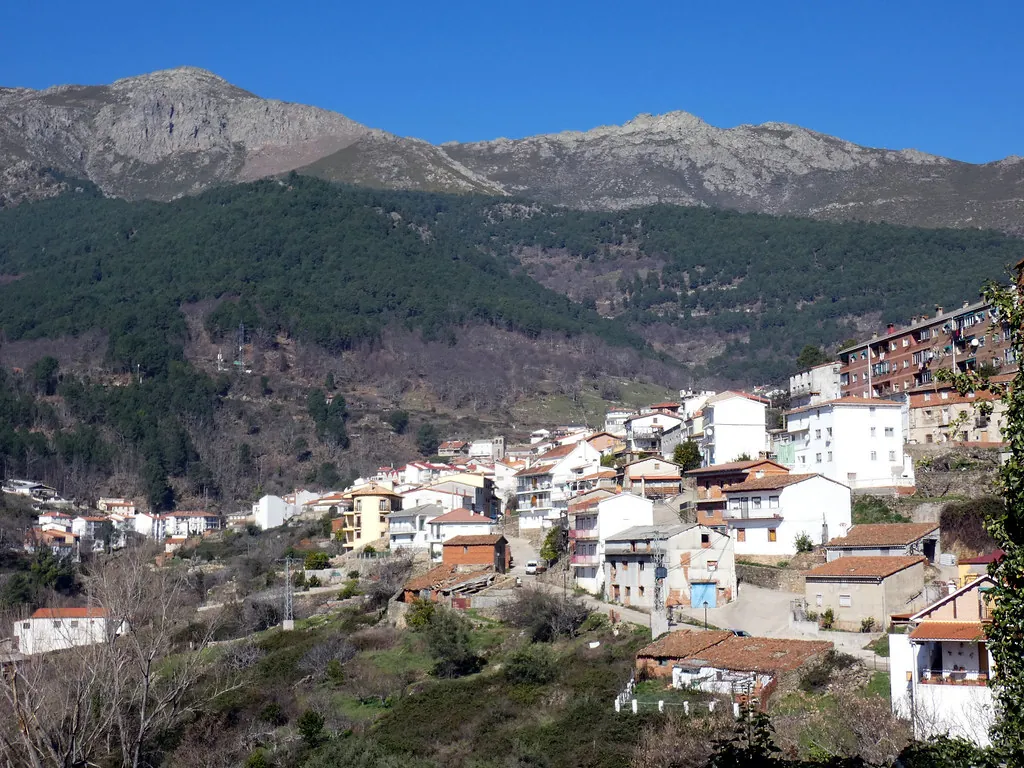
Mountain village in southern Gredos; known for its cherries and wooded setting.
Hide article Read full article
A Village Shaped by Silence and Stone
In the Tiétar Valley, at around 750 metres above sea level, El Hornillo sits surrounded by chestnut trees and pines. The afternoon silence filters through the leaves, and the impression is of a place that still carries the mark of earlier generations. Its cobbled streets seem paused in a time when life moved without hurry or ornament.
From the main square, the village reveals a simple layout. Masonry houses line the streets, their wooden balconies holding firm against the years. The walls show the natural wear of use rather than restoration. Nothing here feels staged. The structures reflect daily life rather than display.
As soon as you enter the village, the usual background hum of traffic gives way to the murmur of water and birdsong. In mid-afternoon, the light washes the façades in ochre and green tones that contrast with the grey granite underfoot. The proximity of the Sierra de Gredos is unmistakable. There is the scent of damp earth and pine, and footpaths leading out towards the mountains begin almost at the edge of the houses.
Everyday Heritage
El Hornillo’s heritage is neither grand nor monumental. It is direct and practical. The parish church, dedicated to San Bartolomé, has a sober appearance. Stone walls and a small bell tower define its outline. The granite fountain in the square still provides fresh water at times, a reminder of how central it once was to daily life.
The village owes its name to traditional ovens, hornos, which can still be seen closed and quiet in some of the calmer corners. Wandering without a fixed route reveals small details: stone washing places once used for laundry, stretches of dry stone wall, old doors with rusted iron fittings. These fragments tell their own story of work and routine, of a community shaped by its surroundings.
There is no attempt to turn these features into spectacle. They remain part of the landscape, encountered naturally while walking through the narrow streets.
Paths to the Cascada del Chorro and Beyond
Just a short distance from the centre, a signposted path points towards the Cascada del Chorro. The trail winds through oaks and chestnuts, with stony sections that require attention and suitable footwear if you plan to reach the base of the waterfall. The route is not presented as a challenge for experts, yet it does demand care.
In spring, when rainfall increases the flow, the sound of water striking rock carries well beyond the fall itself. During summer, the breeze around the cascade offers relief after a walk in the sun. The waterfall occupies a relatively small corner of the landscape, but its force is striking. It appeals to those looking for a moment of connection with a natural setting where the dominant sound is water meeting stone.
For visitors who wish to venture further, paths from the outskirts of El Hornillo lead towards nearby summits, offering access to Gredos without elaborate preparation. Some routes head towards peaks such as La Mira or Las Pozas. These walks require planning due to changes in elevation and the possibility of shifting weather conditions. The terrain can vary, and caution is part of the experience.
Wildlife and Seasonal Traditions
The fauna around El Hornillo is as varied as the vegetation. Wild boar move quietly between the trees. Roe deer are sometimes visible at first light. Over the cliffs near the Reserva del Valle de Iruelas, flocks of black vultures circle on rising air currents.
From a nearby viewpoint, where old stone benches remain from times when they were used to dry fruit or store tools, more species can be spotted. Black storks stand out against rooftops, and small birds of prey glide at height. The sense of proximity to wildlife is constant, though never theatrical.
For many years, mushroom picking has been common in these woods. In autumn, níscalos and boletus appear in damp areas beside the paths. It is important to know which species are edible before gathering them, as some mushrooms closely resemble poisonous varieties. Permits are usually required if collecting in large quantities or within protected land. The activity forms part of a seasonal rhythm rather than a tourist attraction.
Food, Forest and Festivity
Local cooking reflects the straightforward character of the setting. Substantial stews feature judías del Barco, a variety of bean from the region, or potatoes cooked with game meat. Chestnuts are a constant presence, roasted, added to stews or used in desserts. In some rural homes, dishes such as slow-cooked bean casseroles or cocido with morcilla are still prepared with care. Cocido is a traditional Spanish stew, and morcilla is a type of blood sausage common in many regions. These are meals designed to be eaten slowly, with attention rather than haste.
In August, the main festival brings together residents and visitors in the central square. Processions, traditional music and popular games form part of the celebration. The festivities usually revolve around local religious figures and activities connected to harvests and forest traditions. It is a moment that reveals how customs rooted in earlier generations continue without elaborate staging or commercial gloss.
A Place to Slow the Pace
El Hornillo does not seek attention through imposing monuments or dramatic attractions. Its appeal lies elsewhere. The surrounding landscape sets the tone, with paths that trace old routes and forests that shape daily life. Walking here means encountering quiet details rather than headline sights.
There is a sense of calm that comes from a setting where space and silence remain intact. The mountains are close, the woods are part of the village’s identity, and the streets retain their functional character. El Hornillo offers a pause from noise and spectacle. In that pause, the essentials come into focus: stone underfoot, water in the distance, and the steady presence of the Sierra de Gredos on the horizon.