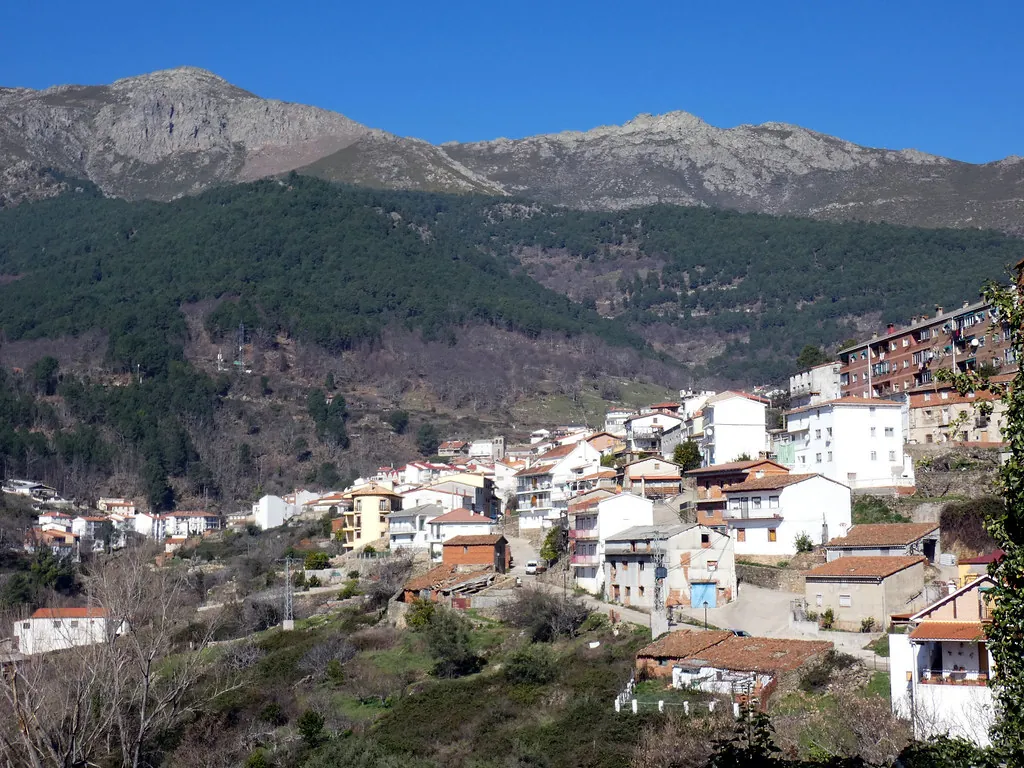
Vista aérea de Fresnedilla
Instituto Geográfico Nacional · CC-BY 4.0 scne.es
Castilla y León · Cradle of Kingdoms

Fresnedilla

The village bakery opens for two hours on Saturday morning. Miss it and you’ll wait a week for fresh bread. That single fact tells you most of what...

92 inhabitants · INE 2025
622m Altitude

Why Visit

Mountain Church of the Assumption Gentle hiking

Best Time to Visit

summer

Festival of the Virgen del Rosario (October) octubre

Things to See & Do
in Fresnedilla

Heritage

  • Church of the Assumption
  • Holm-oak pastures

Activities

  • Gentle hiking
  • livestock watching

Festivals
& & Traditions

Fecha octubre

Fiestas de la Virgen del Rosario (octubre)

Las fiestas locales son el momento perfecto para vivir la autenticidad de Fresnedilla.

Full Article
about Fresnedilla

Small municipality in the Tiétar Valley; landscape of dehesas and mild climate

Ocultar artículo Leer artículo completo

The village bakery opens for two hours on Saturday morning. Miss it and you’ll wait a week for fresh bread. That single fact tells you most of what you need to know about Fresnedilla, a scatter of stone houses 600 m up on the southern shoulder of the Sierra de Gredos, 75 km south-west of Ávila city.

Ninety souls live here year-round. At siesta you can stand in the middle of the lane and photograph the church tower reflected in a puddle without moving for traffic, because there isn’t any. The loudest noise is usually a tractor grinding up the hill towards the olive terraces or the clatter of storks rebuilding their nest on the belfry. Mobile reception flickers in and out; Vodafone dies completely by the cemetery. Download an offline map before you arrive or you’ll discover how large Spain looks on paper when you’re the only car on a switch-back road.

Altitude and Attitude

Six hundred metres is high enough to shave five degrees off the Meseta’s summer furnace. July afternoons peak at 32 °C instead of 37 °C down in the Tiétar valley, and the night air slips to a cool 16 °C. The catch: almost no house has air-conditioning. Landlords leave a fan in the bedroom and assume you’ll open the wooden shutters at dusk. In January the same altitude turns against you. Thermometers drop to –4 °C after dark, and the village’s three guest cottages heat with wood-burners. Ask when you book whether firewood is “incluido”; otherwise the owner will appear with a €10 basket and an expectant smile.

The road climbs 400 m in the last 12 km from the valley floor. Oak gives way to Scots pine, the tarmac narrows, and suddenly the valley floor is a crumpled green quilt behind you. If you meet a delivery van you both stop; someone reverses until the passing place cut into the rock. Hire cars return with wing-mirrors folded in and a fine dusting of pollen on the roof. It’s half an hour of concentration, but the reward is the first glimpse of Fresnedilla’s church, blunt and square against the sky like a keep that forgot to build the castle.

What You Actually Find

Leave the car by the stone trough at the entrance; the single lane that passes for a high street is barely wider than a London taxi. Houses are mortared granite and adobe, roofs of weathered terracotta. Balconies sag under geraniums that nobody remembers planting. The church of San Pedro is locked except for Sunday mass at ten, but the key-keeper lives opposite—knock twice and she’ll wipe her hands on her apron before letting you in. Inside it smells of wax and damp stone; the altarpiece is nineteenth-century pine, gesso flaking like old paint on a barge.

There is no ticket office, no audio guide, no gift shop. That is the point. People come for the negative space: the absence of coach parties, souvenir stalls, and piped music. You fill the silence with boots on gravel, the squeak of a weather vane, the soft thud of almonds dropping onto corrugated iron. Walk fifty paces beyond the last house and you are in dehesa—open woodland where black Iberian pigs root for acorns. Keep walking and the path becomes a shepherd’s track that joins the GR-140 long-distance path across Gredos. An hour uphill brings you to a meadow where cowbells echo off granite slabs; on a clear day you can pick out the snow streak on Almanzor, the province’s highest peak, 40 km away.

Eating and Sleeping (Elsewhere)

Fresnedilla has one tavern. It opens at seven for coffee, serves lunch at two, and bolts the door when the last customer leaves—often before nine. The menu is whatever Paco bought that morning: perhaps judiones (buttery white beans) with chorizo, or a plate of roast peppers dressed only with local olive oil and salt. Prices hover round €9 a plate; wine is from a plastic jug and costs €1.50 a glass. If the village is quiet he may not bother lighting the grill, so ring ahead (+34 920 293 011) or risk finding the door locked.

Most visitors base themselves 18 km down the hill in Sotillo de la Adrada where there are three small supermarkets, a Saturday market, and a pool for when the mercury rockets. Casa Rural La Chimenea has two double rooms at €70 night including breakfast; they’ll pack a picnic if you ask the night before. From there you drive up for the cool air and empty paths, returning downhill for dinner—chuletón de Ávila, a T-bone the size of a laptop, best shared.

Timing the Trip

Spring is the sweetest deal. The cherry orchards below the village flower in late March, and daytime hovers round 18 °C—perfect for the three-hour loop to the abandoned hamlet of El Berrocal where stone walls are slowly being swallowed by brambles. Autumn brings crimson oak foliage and the bellow of stags echoing across the valley; photographers arrive for the golden hour that backlights the village from the mirador at 7 p.m. sharp.

July fiestas (weekend nearest 29 June) double the population. Returning emigrants park hatchbacks along the verge and dance to a single speaker dragged into the square. Fireworks bounce off the granite walls at midnight; if you want silence, book elsewhere those two nights. Winter is for the self-sufficient. Snow seldom settles long, but the wind whistles through every crack. Bring slippers—the stone floors of rural cottages were designed for hobnail boots, not socks.

The Practical Bit

Driving is the only realistic access. From Madrid take the A-5 to Talavera, then the N-502 to Arenas de San Pedro before winding up the AV-510. Fill the tank in Arenas; after that petrol stations are as rare as cash machines. A weekday bus leaves Ávila at 14:00 and returns at 06:45 next morning—fine for an overnight, miss it and you’re hitch-hiking.

Parking is free and unlimited; the village square fits six cars if everyone breathes in. Phone signal improves if you stand by the church wall on the north side—locals take calls there like a Victorian parlour with better views. The nearest cashpoint is back down in Sotillo, and the bakery van that trundles in on Wednesday accepts only coins.

Why Bother?

Because some journeys should feel like time travel without the heritage theme-park price tag. Fresnedilla offers nothing grand, yet delivers something increasingly scarce: a Spanish village that has not rearranged itself for the weekend visitor. You will not be charmed, delighted, or offered artisan gin. You might, however, sit on a granite step as the sun drops behind the pines, listening to a goat bell and wondering why city centres ever seemed necessary. Just remember to buy bread on Saturday.

Key Facts

Region
Castilla y León
District
Valle del Tiétar
INE Code
05075
Coast
No
Mountain
Yes
Season
summer

Livability & Services

Key data for living or remote work

2024
HealthcareHospital 23 km away
Housing~5€/m² rent · Affordable
CoastBeach nearby
January Climate7.1°C avg
Sources: INE, CNMC, Ministry of Health, AEMET

Planning Your Visit?

Discover more villages in the Valle del Tiétar.

View full region →

More villages in Valle del Tiétar

Traveler Reviews