Full Article
about Gavilanes
On the southern slope of Gredos, surrounded by forests and gorges, with a mild climate.
Ocultar artículo Leer artículo completo
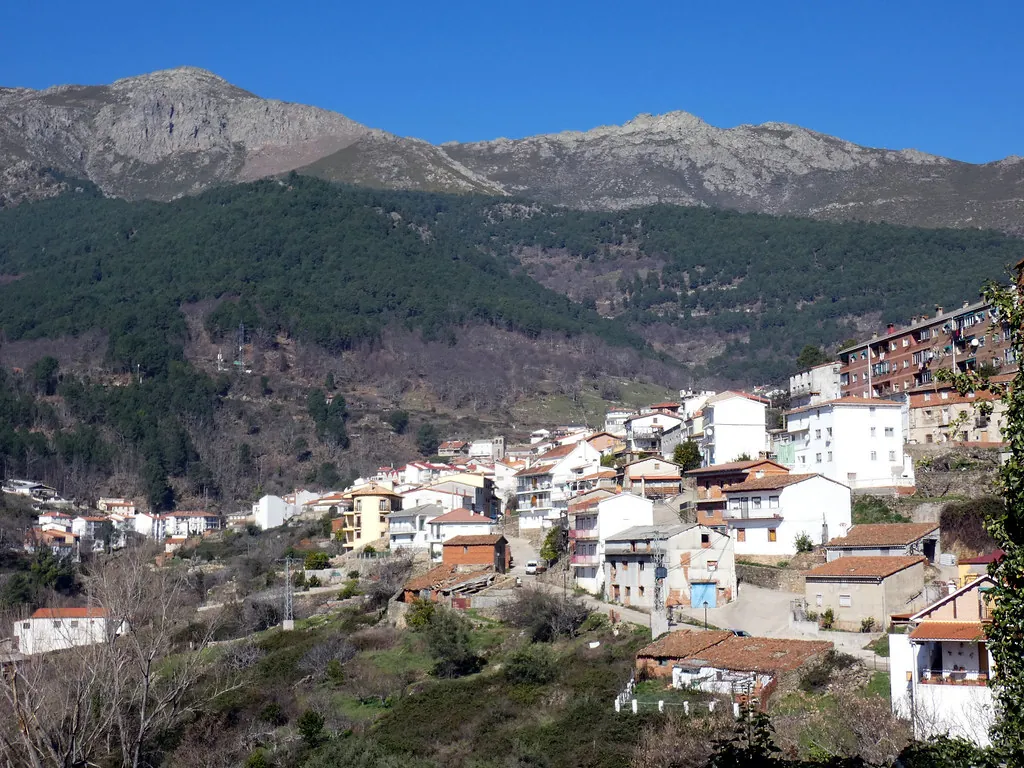
The stone houses appear to grow directly from the mountainside, their wooden balconies jutting out like perches for invisible birds. At 678 metres above sea level, Gavilanes clings to the southern slopes of the Sierra de Gredos, where the Tiétar River murmurs through cherry orchards and chestnut groves that have sustained generations of farmers. This isn't a village that performs for visitors—it's one that continues living, stubbornly and beautifully, despite them.
The Architecture of Survival
Wandering through Gavilanes means navigating a three-dimensional puzzle of narrow lanes and sudden staircases. The local stone, honey-coloured and weather-worn, forms walls that seem to bend rather than break with the terrain. Houses stack against each other like books on a slanted shelf, their terracotta roofs creating an uneven mosaic when viewed from the higher paths. There's no grand plaza here, no baroque church demanding attention. Instead, the parish church squats modestly in the main square, its simple facade speaking to centuries of pragmatic building in a landscape that offers few concessions to human ambition.
The real revelation comes from looking up—or down, depending on where you stand. From almost any point in the village, the peaks of Gredos hover in the middle distance, with Almanzor's distinctive profile visible on clear days. The mountains aren't merely backdrop here; they're compass, weather vane, and seasonal clock. When clouds gather around the high peaks, villagers know rain is coming. When the snow line creeps down their flanks, winter preparations accelerate.
Working the Land, Reading the Seasons
Visit in late March or early April and you'll witness Gavilanes at its most theatrical. The cherry blossoms erupt across the surrounding slopes in waves of white and pale pink, transforming working orchards into something approaching fantasy. But this brief spectacle serves a purpose—these trees produce the region's prized cherries, harvested from May through June. Walk the rural paths during flowering season and you'll share the tracks with farmers checking their trees, not tourists hunting perfect Instagram shots.
The chestnut woods offer a different kind of magic, particularly in autumn when mushroom hunters fan out across the slopes. Boletus and níscalos appear with the first sustained rains, though success depends entirely on weather patterns. Dry years mean sparse pickings, and the locals—who've been foraging these woods since childhood—will have visited their secret spots long before outsiders arrive. The chestnuts themselves, roasted over wood fires in the cooler months, provide a sweet counterpoint to the region's savoury specialities.
Walking Into the Past
Gavilanes functions best as a base for exploring the Valle del Tiétar on foot, though "foot" is the operative word. The GR-108 long-distance path passes nearby, connecting remote villages through ancient drove roads and shepherd tracks. More accessible routes follow the river through corridors of alder and ash, where kingfishers flash electric blue between the branches and the water provides a natural soundtrack of riffles and pools.
For stiffer exercise, paths climb towards the high pastures, following routes that once connected summer grazing grounds with winter settlements. These tracks aren't manicured walking trails—they're working infrastructure, sometimes overgrown, occasionally washed out, always subject to the mountain's whims. Checking path conditions in the village before setting out isn't just sensible; it's essential. The bar at El Gavilán, the village's main social hub, serves as an informal information centre where locals will tell you which routes are passable and which have been claimed by brambles or landslides.
What Actually Ends Up on Your Plate
The restaurant at El Gavilán dishes up what the land provides: judías del barco (local white beans) stewed with chorizo, avileña-negra beef that tastes of the mountain herbs the cattle graze on, and cabrito (young goat) roasted until the edges caramelise. During cherry season, the fruit appears in everything from savoury sauces to clafoutis-like desserts. The cooking is resolutely traditional—no foams, no deconstructions, just recipes passed down through families who've been feeding workers from these lands for generations.
Between meals, the bar serves as village nerve centre. Old men play cards in the corner, farmers discuss rainfall statistics over cañas of beer, and the television mutters in the background unless there's a football match worth watching. Tourists are welcome but not fussed over; order a drink and you'll be served with the same efficiency afforded to regulars.
When to Come, When to Stay Away
Spring offers the blossoms and the best walking weather—warm days, cool nights, and the mountains still holding snow for dramatic photographs. Autumn brings mushroom season and the grape harvest across the valley, with morning mists creating ethereal landscapes. Summer can be brutal; temperatures regularly top 35°C, and the village's stone walls radiate heat well into the evening. August's fiesta week swells the population with returning expats and their extended families, transforming quiet streets into impromptu party venues that continue until dawn.
Winter presents its own challenges. While snow rarely settles in the village itself, the mountain roads become treacherous and some walking routes become impassable. The village shrinks further as residents head to lower altitudes or urban centres. Yet on clear winter days, with the peaks gleaming white against cobalt skies and wood smoke scenting the air, Gavilanes feels like it's holding a secret worth discovering.
The nearest substantial town is Arenas de San Pedro, twenty minutes down the valley by car. From there, buses connect to Madrid's Estación Sur, though services are infrequent and the journey takes three hours. Having your own transport transforms the experience, opening up the high mountain passes and remote villages that string along the valley like beads on a rosary. Without it, you're dependent on local taxis or the goodwill of villagers—who might offer lifts if you ask nicely in the bar.
Accommodation options remain limited: a handful of casas rurales converted from traditional houses, plus rooms above the restaurant. These aren't boutique hotels with spa treatments and infinity pools. Expect thick stone walls, wooden beams blackened by centuries of smoke, and bathrooms that have been shoehorned into spaces never designed for such modern conveniences. The WiFi works, mostly. Hot water arrives eventually. The views, depending on your room, encompass either the mountains or the orchards—or both, if you've chosen well.
Gavilanes doesn't offer the instant gratification of Spain's coastal resorts or the cultural density of its historic cities. What it provides instead is something increasingly rare: a place where tourism hasn't rewritten the script, where the rhythms of rural life continue largely unchanged, where the mountains and the river still dictate the terms of human settlement. Come prepared to slow down, to walk rather than ride, to look and listen rather than consume. The village will meet you halfway, but it won't bend to accommodate. And that's precisely the point.