Full Article
about Higuera de las Dueñas
A Tiétar village surrounded by gentle countryside, perfect for unwinding and getting close to nature.
Hide article Read full article
Higuera de las Dueñas en el Valle del Tiétar
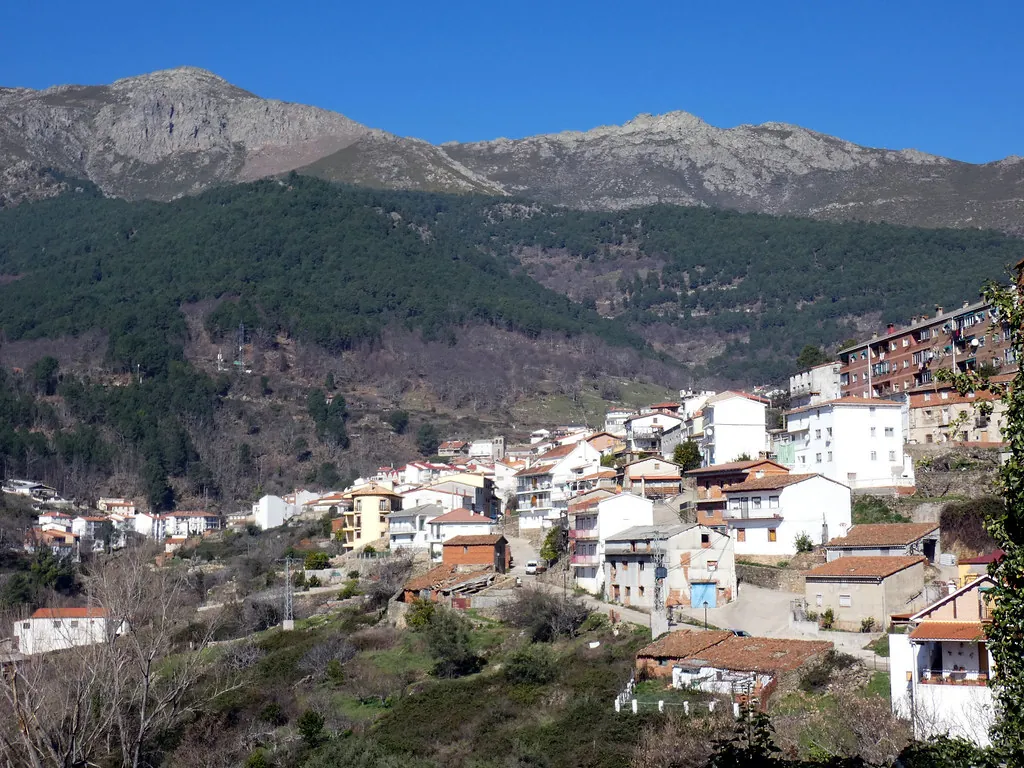
Higuera de las Dueñas se sitúa en el extremo oriental del Valle del Tiétar, en la vertiente sur de la Sierra de Gredos. Su posición, a unos 600 metros de altitud, es de transición: aquí la sierra comienza a suavizar sus lomas antes de ceder al llano del valle. El pueblo, con unos 250 habitantes, se asienta en ese espacio intermedio donde conviven el bosque de pino negral con los bancales de olivos, higueras y cerezos.
El topónimo suele explicarse por dos elementos. Higuera alude a un árbol frecuente en las huertas del entorno. Dueñas parece remitir a un señorío medieval, un término que aparece en otros lugares de Castilla. La documentación precisa es escasa, pero el nombre ya figura en registros antiguos de la zona.
La trama de un pueblo agrícola
El trazado es el de un asentamiento agrario del valle. Calles cortas y con cuesta, casas de mampostería con reformas sucesivas. Algunas conservan los corredores de madera propios de la arquitectura popular de la comarca. No hay edificios señoriales ni plazas monumentales; la escala es doméstica, acorde con un municipio que ha vivido tradicionalmente de la agricultura y la ganadería.
La iglesia parroquial de la Natividad es el edificio principal. Es una construcción sobria, con una espadaña de piedra que sobresale entre los tejados del casco antiguo. Como ocurre en muchos templos del Tiétar, ha tenido reformas a lo largo de los siglos, por lo que su aspecto actual responde a varias fases constructivas. Su valor reside más en su función como referencia para la comunidad que en su arquitectura. La plaza que la precede actúa como lugar de encuentro para los vecinos.
Paisaje inmediato: huertas, cerezos y muros
El carácter del pueblo se entiende mejor por su entorno inmediato. Aún se ven huertas, olivares y frutales alrededor del casco urbano. Los cerezos son particularmente numerosos en esta parte del valle; su floración, entre abril y mayo según el año, tiñe de blanco los caminos durante unas semanas.
Los muros de piedra seca que delimitan las parcelas son otro elemento del paisaje. Esta técnica constructiva tradicional, extendida en las zonas rurales, servía para organizar el terreno y proteger los cultivos.
Senderos y vistas hacia Gredos
Varios caminos agrícolas parten del pueblo hacia las fincas y los municipios colindantes. No son rutas señalizadas, pero pueden recorrerse a pie o en bicicleta sin complicación. Son pistas anchas, creadas para el trabajo del campo, que permiten adentrarse en el paisaje a un ritmo tranquilo.
Al alejarse, aparecen pequeñas manchas de bosque con castaños, robles y pinares. En los días claros, algunos tramos ofrecen vistas al norte, hacia las cumbres de Gredos, que en invierno suelen conservar nieve. El contraste explica la posición del pueblo: lo suficientemente cerca de la sierra para notar su presencia, pero ya dentro del clima más templado del valle.
La mezcla de terreno cultivado y monte bajo atrae a diversas aves. Es frecuente ver rapaces como el aguililla calzada o el milano, junto con otras especies propias del matorral mediterráneo.
Ciclo festivo y calendario agrario
El ritmo festivo sigue el patrón de muchos pueblos pequeños de Castilla. Las fiestas patronales principales se celebran en verano, normalmente en julio o agosto, cuando regresan muchos de los que emigraron. Procesiones, música y comidas colectivas ocupan esos días.
En enero se mantiene la celebración de San Antón, tradicionalmente ligada a la protección de los animales, con hogueras y bendiciones. Estos actos mantienen un sentido de continuidad en un núcleo donde los vínculos comunitarios siguen siendo visibles.
La gastronomía local refleja los productos del territorio: la cereza del Tiétar, que se recolecta a principios del verano; el aceite de oliva de la comarca; las carnes de ganado criado en las sierras cercanas. En otoño, los montes proporcionan setas.
Cómo visitar Higuera de las Dueñas
El pueblo se recorre en poco tiempo. Funciona mejor como una parada tranquila dentro de una visita más amplia por el Valle del Tiétar, donde varios municipios cercanos y sus paisajes ayudan a comprender la forma de vida tradicional al sur de Ávila.
El coche es imprescindible para moverse por la comarca. Conviene hacerlo sin prisa, para apreciar el paso gradual desde las laderas de Gredos hasta el valle cultivado, y entender cómo pueblos como Higuera de las Dueñas se insertan en ese territorio.