Full Article
about Lanzahíta
Warm heart of the Tiétar; known for its asparagus and watermelon crops and its Cristo pilgrimage.
Hide article Read full article
Lanzahíta, en la vertiente sur de Gredos
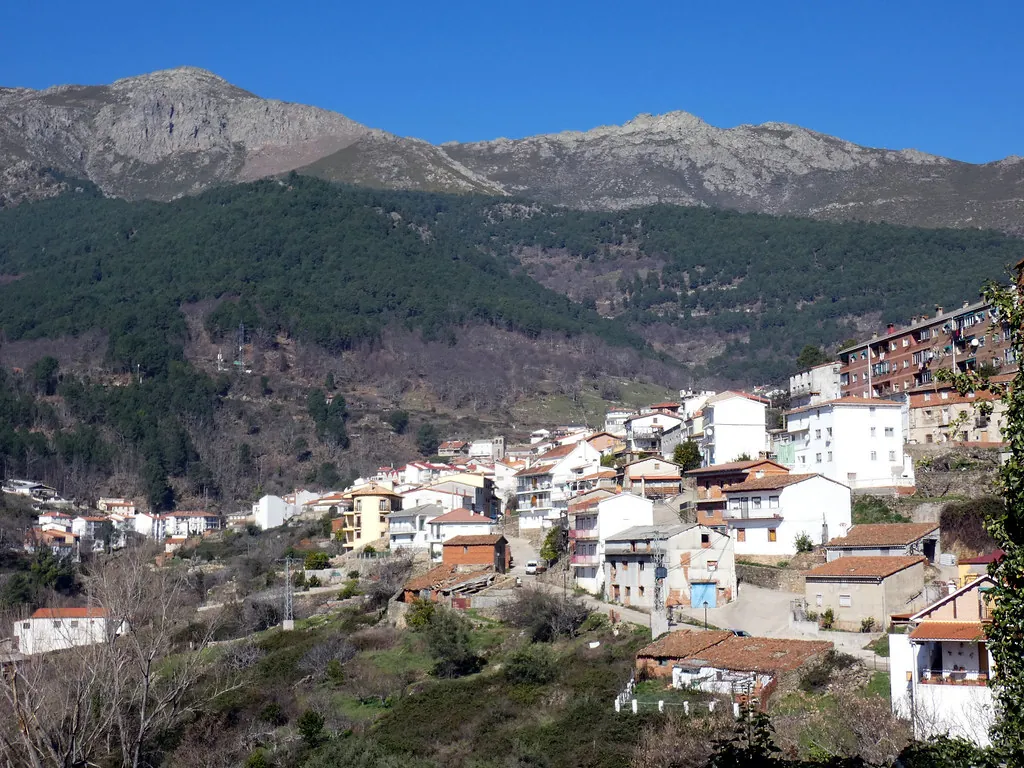
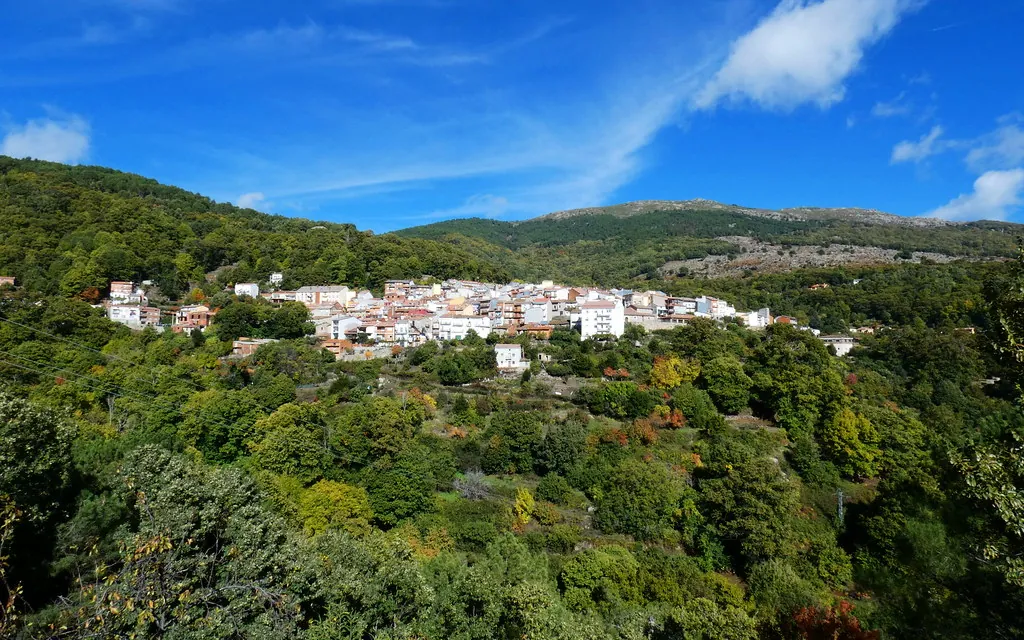
Lanzahíta se asienta en el límite oriental del valle del Tiétar, en la cara sur de la sierra de Gredos. Aquí el paisaje empieza a suavizarse tras la orografía más dura de la montaña. El clima difiere del de la meseta abulense: los inviernos son menos rigurosos y la vegetación gana densidad. Este contorno condiciona lo que se ve desde el pueblo.
El entorno inmediato son pequeñas parcelas de cultivo, huertos y vergeles. Dependen del agua que baja de la sierra, creando un mosaico agrícola que sigue los pliegues del valle. Es un paisaje en uso, no decorativo, cuyo ritmo aún obedece a las necesidades de la tierra.
El núcleo urbano se levanta entre estos campos. Las casas mezclan piedra y madera con reformas posteriores. Algunas calles conservan balconadas de madera y portones anchos, pensados originalmente para el paso de carros y animales. La trama es compacta y se recorre a pie. Un paseo sin prisa basta para ver cómo las vías se conectan directamente con las tierras de labor y con los senderos que se adentran en el valle.
Esta zona de Castilla y León recibe un turismo discreto. La vida cotidiana en Lanzahíta sigue girando en torno a la agricultura, las segundas residencias y el compás pausado propio del Tiétar.
Trama urbana y arquitectura rural
En el centro se alza la iglesia parroquial de San Juan Bautista. El edificio actual se levanta sobre una fábrica del siglo XVI, reformada después. Su torre campanario sirve de referencia visual dentro del pueblo, como es habitual en esta región donde la iglesia actuaba como ancla del asentamiento.
Las calles aledañas guardan ejemplos de vivienda tradicional. Algunas casas mantienen patios interiores y galerías de madera orientadas al sur. Estos elementos respondían a una función práctica: ventilar las estancias y secar los frutos de la cosecha. No todos los edificios responden a este patrón. Conviven construcciones antiguas con reformas y viviendas modernas, dando un aspecto heterogéneo que refleja un cambio gradual, no un estilo único preservado.
La ubicación añade otra capa. Desde las calles más altas se divisan las laderas que suben hacia Gredos. En invierno, a veces se ve nieve en las cumbres. Más cerca, aparecen pinares, pequeñas dehesas y bancales que siguen el curso de los arroyos que bajan de la sierra. La relación entre el pueblo y el territorio se lee con claridad desde estos puntos.
Senderos por el valle del Tiétar
De Lanzahíta parten varios caminos tradicionales que comunicaban el pueblo con las fincas, los montes y las aldeas vecinas. Algunos de estos trazados coinciden hoy con rutas de senderismo que ascienden hacia zonas altas de Gredos o recorren el fondo del valle.
Caminar por ellos permite entender el sistema agrícola que ha funcionado aquí durante generaciones. Los bancales modelan las laderas, mientras las acequias distribuyen el agua por la vega. Muchos de estos caminos siguen en uso para las labores del campo, por lo que hay que respetar portones, pasos y accesos.
La solana favorece una vegetación de tipo mediterráneo. En el paisaje son frecuentes las encinas, los pinos y el matorral bajo. Suele haber aves rapaces trazando círculos sobre el valle, y se nota la presencia de ganado en las zonas de pasto cercanas. El entorno se percibe activo y habitado, no preparado para ser mostrado.
Productos y platos del territorio
La agricultura es central en el valle del Tiétar, y eso se nota en lo que se cultiva alrededor de Lanzahíta. Los huertos dan hortalizas y legumbres de temporada, mientras las frutas de los vergeles varían a lo largo del año.
Los judiones del Tiétar, una alubia blanca y grande vinculada a la comarca, aparecen a menudo en la cocina local. Se preparan normalmente en guisos contundentes. Los platos más sencillos también forman parte de la mesa, como las patatas revolconas con pimentón y torreznos.
En temporada, es fácil encontrar fruta de la zona. Higos, cerezas o peras se venden a veces directamente por los agricultores en puestos improvisados junto a la carretera. Este vínculo directo entre producción y venta refleja el carácter agrario de la zona.
Calendario festivo y vida local
El ciclo anual aún marca los momentos de encuentro en Lanzahíta. Algunos actos reúnen a los vecinos permanentes; otros atraen sobre todo a quienes regresan durante los meses de verano.
En febrero tienen lugar los festejos dedicados a San Blas, una devoción extendida por todo el valle del Tiétar. Estas celebraciones mantienen un sentido compartido de tradición dentro de la comunidad.
En agosto se nota un aumento claro de actividad, con la llegada de familias que pasan temporada en el pueblo. Las fiestas de este periodo incluyen actos religiosos, bailes al aire libre y encuentros vecinales. Hacia finales del verano se desarrollan labores vinculadas a la cosecha y la vendimia. Estas tradiciones conservan presencia en varios pueblos del valle.
Cómo moverse por Lanzahíta
Lanzahíta se recorre a pie en poco tiempo. El casco urbano es reducido y las tierras de cultivo empiezan casi tras las últimas casas.
Al caminar por sus calles, la atención va a los detalles. Las galerías de madera y los grandes portones de las casas más antiguas dan pistas sobre el uso original de los edificios. La conexión entre arquitectura y agricultura sigue siendo visible.
Quien quiera entender el paisaje más amplio solo tiene que tomar uno de los senderos que salen hacia los campos. Desde allí se entiende la estructura del valle: la tierra se abre hacia el sur, mientras la sierra de Gredos cierra el horizonte por el norte, enmarcando el escenario donde el pueblo sigue su vida cotidiana.