Full Article
about Mijares
Picturesque village in the mountains; known for its chestnuts and the mountain pass named after it.
Hide article Read full article
Mijares, o cuando el pueblo funciona solo
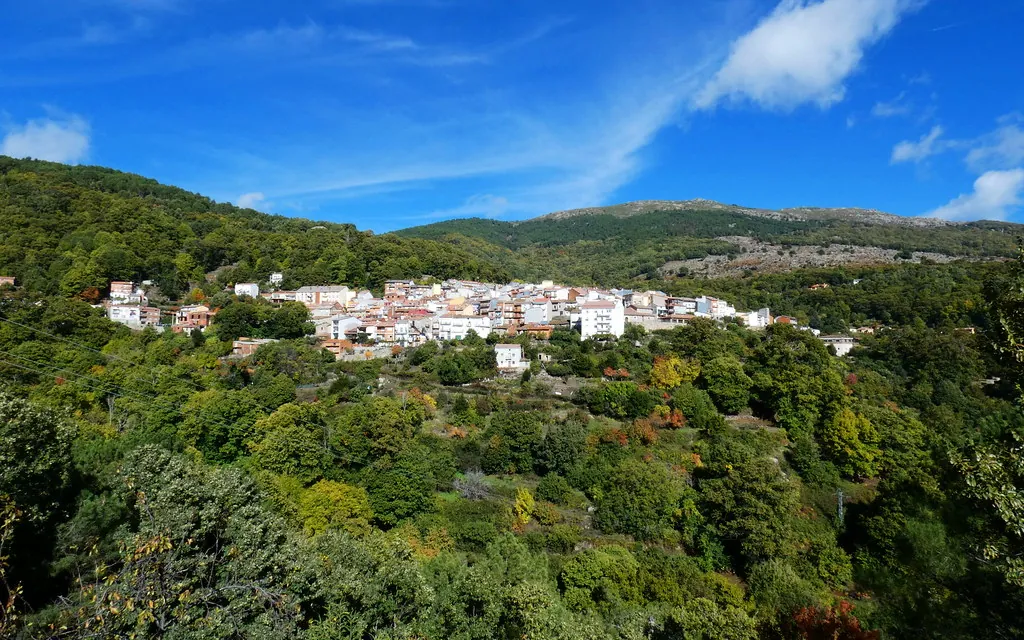
Mijares es de esos sitios a los que llegas y lo primero que piensas es: "aquí se vive bien". No hay un cartelón que te lo diga, ni una plaza monumental. Lo notas en el ritmo. Es como cuando entras en una casa donde el sofá está desgastado de uso, no de abandono. Así es este pueblo del Valle del Tiétar.
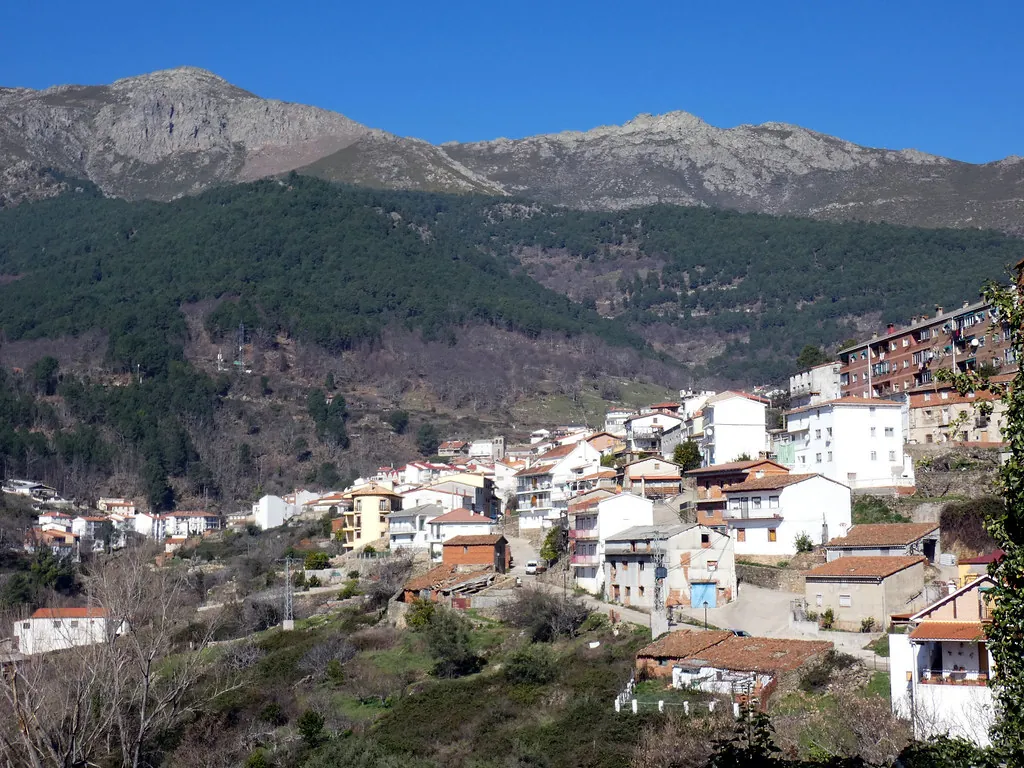
Con unos 700 habitantes, se agarra a la falda sur de Gredos. No es un decorado. Es un lugar donde la gente vive todo el año, y eso se nota en los detalles: la huerta con tomates junto al camino, la acequia que sigue llevando agua, el coche aparcado medio subido a la acera.
Un paseo por calles con pendiente
Olvídate del plano cuadriculado. Aquí las calles son cuestas. Suben y bajan siguiendo la ladera, como si el pueblo fuera un líquido que se adaptó al terreno. Las casas son de piedra vista, con balcones de madera cargados de macetas. No son para la foto; son para sentarse.
La iglesia de San Pedro está en el centro, como debe ser. Es robusta, sin pretensiones. La torre es un buen punto de referencia cuando te pierdes entre callejones, que pasa.
Lo mejor es caminar sin rumbo. Encontrarás una fuente aquí, un huerto allá, y de pronto, casi sin darte cuenta, la última casa da paso al campo. La transición es natural.
El campo no es paisaje: es la despensa
Esto es importante: lo que ves alrededor no es decoración rural. Son bancales de cultivo, nogales y cerezos que dan fruta de verdad. Las terrazas y las acequias tienen siglos, pero siguen en uso. Si vas a pasear por los senderos, mira por dónde pisas; ese tomate tiene dueño.
En primavera, el valle se despierta pronto. Los almendros florecen cuando en otros sitios aún hace frío, y luego les toca a los cerezos. Ver las laderas blancas contra el verde oscuro del pinar tiene su aquel.
Senderos que salen desde la puerta
Una de las grandes ventajas aquí es que no necesitas coche para empezar a andar. Varios caminos salen directamente del pueblo. Los hay cortos, para estirar las piernas entre pinos y oler el romero. Y los hay más largos, que se empinan hacia la sierra.
Si subes un poco, las vistas hacia Gredos son brutales. En un día claro, la silueta de las cumbres recortadas contra el cielo azul quita el hipo. Abajo se ve todo el valle extendiéndose.
Y atención al atardecer: con suerte verás algún ciervo cruzando un claro, o escucharás el graznido de un buitre planeando arriba. La vida salvaje está ahí, aunque no siempre se muestre.
Comida de cuchara y fruta del tiempo
La cocina por aquí va directa al grano. Es la típica de pueblo trabajador: guisos potentes, legumbres buenas y carne de lo que pasta por la sierra. En invierno apetece un plato de cuchara que te caliente los huesos.
Pero si vienes en temporada, pregunta por la fruta. Las cerezas del Tiétar tienen fama por algo: son dulces y se venden en cajas de madera en algún puesto junto a la carretera. Luego vendrán los higos y las granadas.
No esperes alta cocina ni presentaciones vistosas. Espera sabor a producto real.
Verano festivo e invierno tranquilo
El ritmo anual tiene dos velocidades muy claras. En verano vuelven los que se fueron y el pueblo se anima. Hay alguna fiesta en la plaza, música, mesas largas. Se nota la vida. El resto del año, la tranquilidad vuelve a adueñarse del lugar. Se oye el rumor del agua en las acequias y poco más. Es cuando Mijares se muestra más auténtico, ocupado en sus cosas.
¿Merece una visita? Depende. Si buscas monumentos espectaculares o tiendas de souvenirs, este no es tu sitio. Si lo que quieres es pasear por un pueblo vivo, ver cómo se cultiva una terraza y tomar un café escuchando hablar a los vecinos, entonces sí. Mijares funciona. Y a veces, eso es justo lo que necesitas encontrar