Full Article
about Poyales del Hoyo
Municipality with a mild microclimate; known for its bee museum and fig production.
Hide article Read full article
Poyales del Hoyo: un pueblo en la cuesta
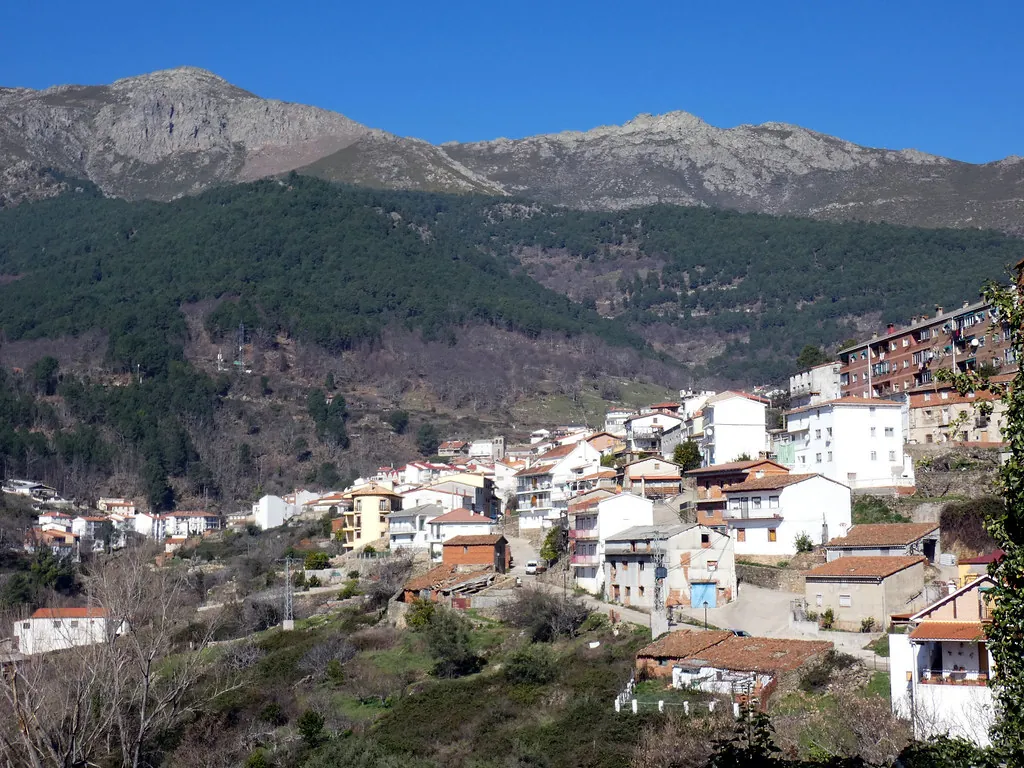
La forma de Poyales del Hoyo viene dictada por la geografía. El pueblo se asienta en una ligera depresión —el “hoyo”— de la vertiente sur de la Sierra de Gredos, dentro del valle del Tiétar en Ávila. Esta posición al abrigo de la sierra explica un clima más suave que el de la meseta, con inviernos menos rigurosos y la presencia ocasional de naranjos o limoneros entre las casas.
Su trazado actual responde a una economía rural que se organizó aquí entre los siglos XIII y XIV, durante la repoblación medieval del valle. Las huertas, los corrales y las terrazas de cultivo —los “poyales”— definieron el uso del terreno. La arquitectura popular lo confirma: muros de mampostería, plantas bajas que fueron cuadras y balcones de madera orientados al sur para captar el sol.
La iglesia, el agua y los caminos
La iglesia parroquial, reformada en el siglo XVIII sobre una fábrica del XVI, ocupa el centro del caserío antiguo. Su valor está menos en la decoración, que es sobria, que en su función histórica como eje de la vida local. Durante siglos, su atrio fue lugar de concejo y punto de partida para las festividades del calendario agrario.
El paisaje inmediato se entiende por el agua. Varias gargantas bajan de Gredos y atraviesan el término municipal. Su caudal, irregular pero constante, sostiene los pinares, robledales y castaños de las laderas. Muchos de los senderos que salen del pueblo siguen el curso de estos arroyos o coinciden con vías pecuarias antiguas, caminos de trashumancia por los que el ganado subía y bajaba de la sierra.
Ese pasado ganadero se lee aún en las puertas anchas de algunas casas, hechas para el paso de animales, y en los patios que antes albergaban carros y aperos. No hay monumentos destacados; el interés está en la relación entre el espacio construido y el terreno que lo sostiene.
Senderos hacia la sierra
Desde el mismo pueblo parten varias rutas que suben hacia la sierra o se dirigen al fondo del valle. Son recorridos sencillos, que no requieren gran preparación. Conviene, eso sí, cerrar las portillas al pasar por zonas con ganado y respetar las propiedades privadas.
Caminando con calma es posible ver fauna: jabalíes, corzos o cabras monteses en las zonas más altas al amanecer. Los buitres leonados son frecuentes, planeando sobre las corrientes térmicas de Gredos. Las mejores vistas no están señalizadas como miradores; aparecen de forma natural al ganar algo de altura, mostrando la extensión del valle al sur y la masa compacta de la sierra a la espalda.
Castañas, fiestas y un ritmo distinto
La cocina local es la del valle: guisos de legumbres, carne de cabrito o algo de caza menor. El elemento distintivo del entorno son los castañares. La recogida de castañas en otoño fue durante generaciones un complemento económico para muchas familias, y sigue siendo una actividad habitual.
Las fiestas patronales se concentran en verano, cuando regresan muchos de los que emigraron en el siglo XX. Son días en los que el pueblo recupera por unos días el pulso de otras décadas, con procesiones, música en la plaza y comidas familiares. Más que un evento para visitantes, es un reencuentro para quienes mantienen vínculo con el lugar.
Visitar Poyales del Hoyo implica adaptarse a ese ritmo. No hay grandes atracciones ni programación turística. La experiencia pasa por el paisaje escalonado, la arquitectura sin pretensiones y la quietud de un pueblo que aún marca su calendario por la iglesia, la cosecha y el regreso de los suyos.