Full Article
about San Esteban del Valle
In the Barranco de las Cinco Villas; known for the Vítor (a festival of regional interest) and its olive oil.
Ocultar artículo Leer artículo completo
The only place to get into the fifteenth-century church is to order a coffee first. Ask at the bar of Restaurante Oliver, nod towards the bunch of iron keys clipped to a nail beside the coffee machine, and the owner will unhook them with the same routine she uses for refilling the sugar jars. No ticket office, no audio guide, just the granitic hush of a building that has watched 800-metre slopes of chestnut and slate close in around it for half a millennium.
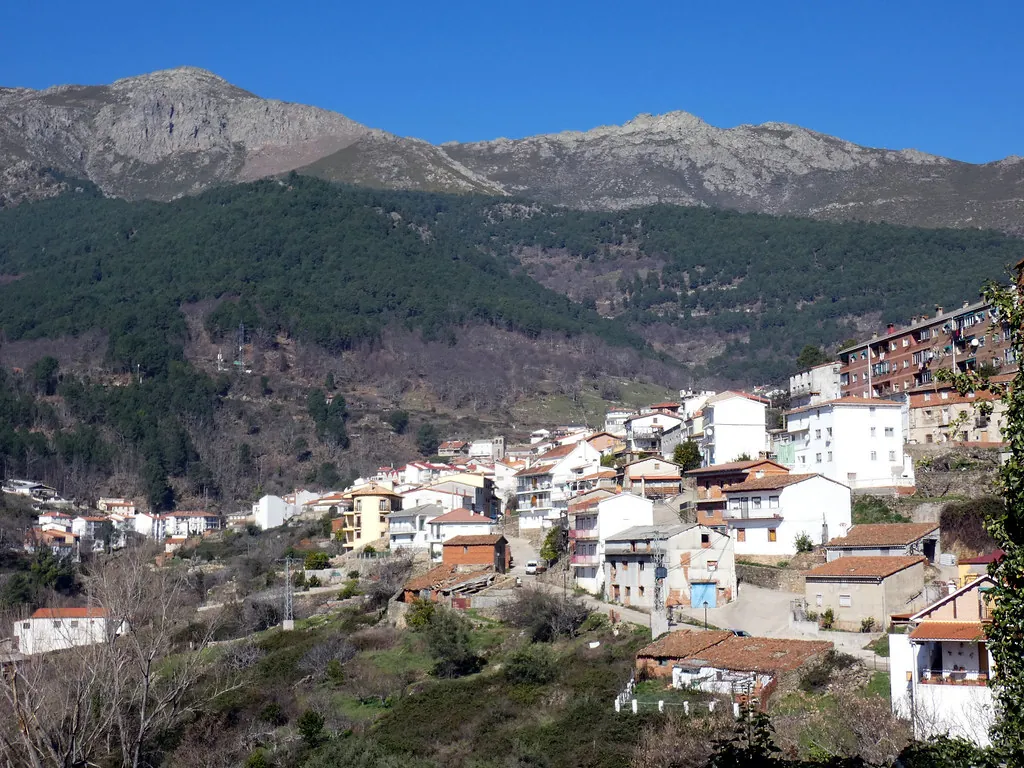
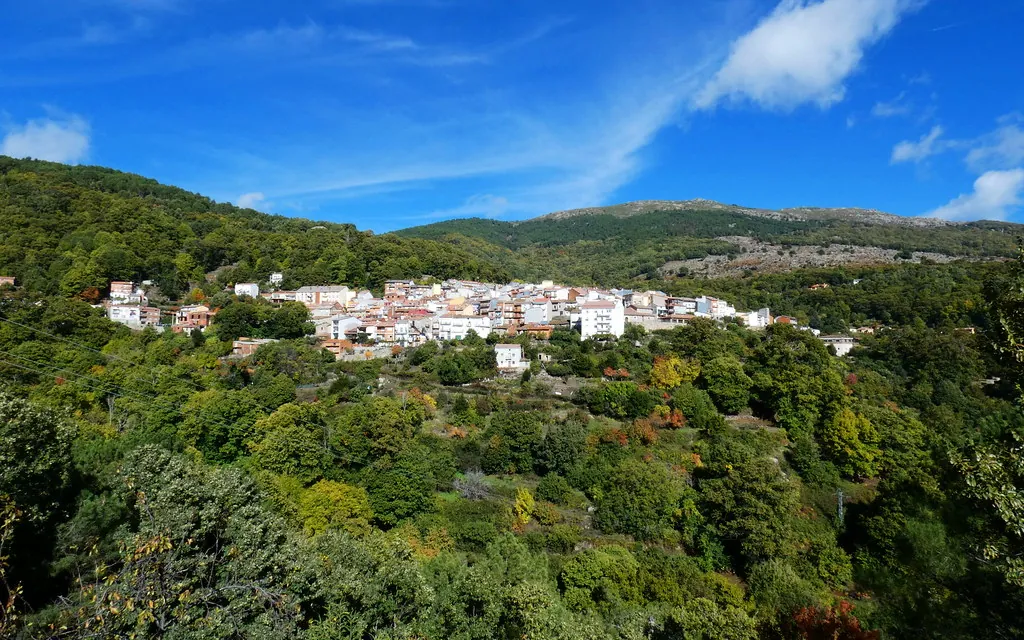
San Esteban del Valle sits at that altitude on the southern lip of the Sierra de Gredos, far enough east of the tour-bus hub at Hoyos del Espino to feel like a clerical error on the map. Seven hundred-odd residents, 734 at last empadronamiento, live in stone houses that stagger uphill until the lanes become footpaths and the footpaths become chestnut groves. The village is small enough to cross on foot in the time it takes a kettle to boil, but the gradients are honest: thigh-burning stair-streets where rainwater races downhill and grandparents overtake you while carrying weekly shopping.
A geography lesson with cherries
The Valle del Tiétar micro-climate does strange things. At 806 metres you expect Castilla y León’s bitter winter, yet the thermometer rarely plunges like it does on the northern plateau. Frost comes, but so do cherries in May, figs that fatten until they split in August, and sweet chestnuts that carpet the lanes in October. The contrast surprises first-time visitors who arrive expecting windswept meseta and find instead orchards terraced above the river like something farther south. Bring a jacket regardless; clouds snag on the peaks and drop forty minutes of drizzle without warning, then lift to reveal lemon-coloured light on the slate roofs.
Saturday is market day, which really means three vans and a folding table: one greengrocer, one hardware stall selling rubber boots and goat bells, one woman from the next village who brings trays of pastries that sell out by ten. Park on the ring-road before nine or you will nose-to-tail the only through-route while a Yorkshire terrier sits in the middle refusing to move. There is no cash machine; the last one is twenty kilometres away in Candeleda. Fill your wallet before you leave the motorway or you will be washing dishes for your lunch.
Walking without way-markers
Footpaths start where the tarmac gives up. One track climbs east through castaños centenarios towards the Puerto de Chilla, gaining 600 m in four kilometres; the views back over the Tiétar gorge open suddenly, a stripe of emerald water far below that looks like a cracked stained-glass window. The route is not way-marked beyond the occasional cairn, so download the GPS track while you still have signal—Vodafone and EE fade in and out above the first ridge. Allow four hours return and carry water; the only bar en route is a stone hut with no door and a resident goat.
Lower down, a twenty-minute riverside stroll leads to a string of natural pools deep enough for a swim in July, though the water temperature demands a certain stoicism. Midges own the path from May to June; without repellent you will donate half a pint before you reach the first waterfall. Families from Madrid treat the spot as their private Costa in August, so arrive early or you will be sharing a rock with someone’s bluetooth speaker.
Eating what the valley hands you
Restaurante Oliver opens at 14:00 sharp and stops serving when the guisado runs out. The menú del día costs €14 and lands on the table with the speed of someone who needs it back for the next customer: judías del Barco stew thick enough to stand a spoon in, followed by grilled pork the chef flattens under a paving slab so the fat crisps like bacon. Vegetarians get a tortilla—ask for it sin cebolla if you are fussy—and a side of pimientos that arrive wrinkled and sweet from someone’s greenhouse. Pudding is a square of almond cake; say yes when offered the local cherry liqueur, a cough-mixture-coloured digestif that tastes like glacé cherries soaked in brandy and costs €2 a shot.
Across the lane Bar El Puente Seco will fry chips at any hour, mainly because the owner’s grandchildren demand them. Order a caña and you get a free tapa of chorizo that has been smoking over holm-oak since November; the morcilla is proper farmyard stuff, almost black and humming with cumin, so avoid it unless you enjoy iron-rich flavours that linger until breakfast.
The seasons inside the seasons
Spring arrives first on the valley floor, then climbs the alleys like a slow cat. Almond blossom pops in February, cherry in March, and by April the air smells of orange peel and woodsmoke drifting from chimneys that still burn last year’s prunings. This is the sweet spot for photographers: low cloud parks itself 100 m below the village at dawn so the church tower pokes through like a ship’s mast. Come in May if you want blossom and empty paths; come in June if you want 25 °C river swims and are happy sharing them.
Autumn is equally clever. The chestnut harvest starts with a medieval-style communal scramble—anyone can pick from the commons provided they carry the sacks home on their own back. October afternoons smell of caramelising sugar as villagers roast castañas on iron pans and sell paper cones for €1.50 outside the bakery. Winter, by contrast, is quiet enough to hear your ears ring. Snow falls perhaps two days a year, just enough to make the stone lanes lethal, and the population halves when elderly residents decamp to stay with children in Madrid. Bars keep shorter hours; phone ahead or you will rattle locked doors in the dark.
The things nobody puts on the website
Mobile coverage is patchy on every network; WhatsApp calls drop at the bend by the school. The municipal pool opens only in July and August, but it functions less as a swimming facility and more as the village sitting room. Entry is €2 and you will share the water with toddlers in armbands, grandparents holding court under the pergola, and teenagers flirting to Spanish pop from 2004. You have not gate-crashed anything—buy an ice-cream from the kiosk and you are accepted—but do not expect lane ropes or silence.
Church bells chime the quarters through the night. If you are a light sleeper, choose a room on the downhill side or bring ear-plugs. The village is safe enough that nobody locks bicycles, yet driving a rental car up the narrow lanes feels like threading a needle wearing mittens: pull the wing mirrors in and hope the oncoming 4×4 knows the passing places.
Leaving without goodbye
Check-out time in most casas rurales is 11:00, but hosts will happily store your pack if you want one last walk. The path to the abandoned hamlet of Navalosa climbs through terraces abandoned in the 1960s; stone walls still support apple trees that fruit for no one. From the ridge you look back and see the whole village—slate roofs like dragon scales, the church tower, the pool a turquoise postage stamp—and realise how small, and how complete, the place is.
Drive down the AV-931 and the houses thin out, replaced by cherry orchards and then the sudden, almost violent expanse of the Tiétar plain. Ten minutes later Candeleda’s supermarkets and petrol stations feel metropolitan. Somewhere behind you the keys are back on their nail, another coffee is being poured, and the bells are counting the hour for anyone who stayed behind.