Gilled mushroom on an autumn morning (Unsplash).jpg
Roberto Arias rariasg · CC0
Castilla y León · Cradle of Kingdoms

Sotillo de la Adrada

The castle keep stands empty at 9am, its medieval stones warming in early sun. Downhill, Saturday market spreads across Plaza Mayor: one stall sell...

5,081 inhabitants · INE 2025
635m Altitude

Why Visit

Mountain very popular with tourists in summer Church of the Santísima Trinidad

Best Time to Visit

septiembre

Hiking Fiestas de la Virgen de los Remedios (septiembre)

Things to See & Do
in Sotillo de la Adrada

Heritage

  • very popular with tourists in summer

Activities

  • Church of the Santísima Trinidad
  • Hermitage of the Virgen de los Remedios
  • Fountain of the Cinco Caños

Festivals
& & Traditions

Fecha Fiestas de la Virgen de los Remedios (septiembre)

Senderismo, Compras y ocio, Rutas BTT

Las fiestas locales son el momento perfecto para vivir la autenticidad de Sotillo de la Adrada.

Full Article
about Sotillo de la Adrada

Commercial hub of the Alto Tiétar; ringed by hills and pine woods

Ocultar artículo Leer artículo completo

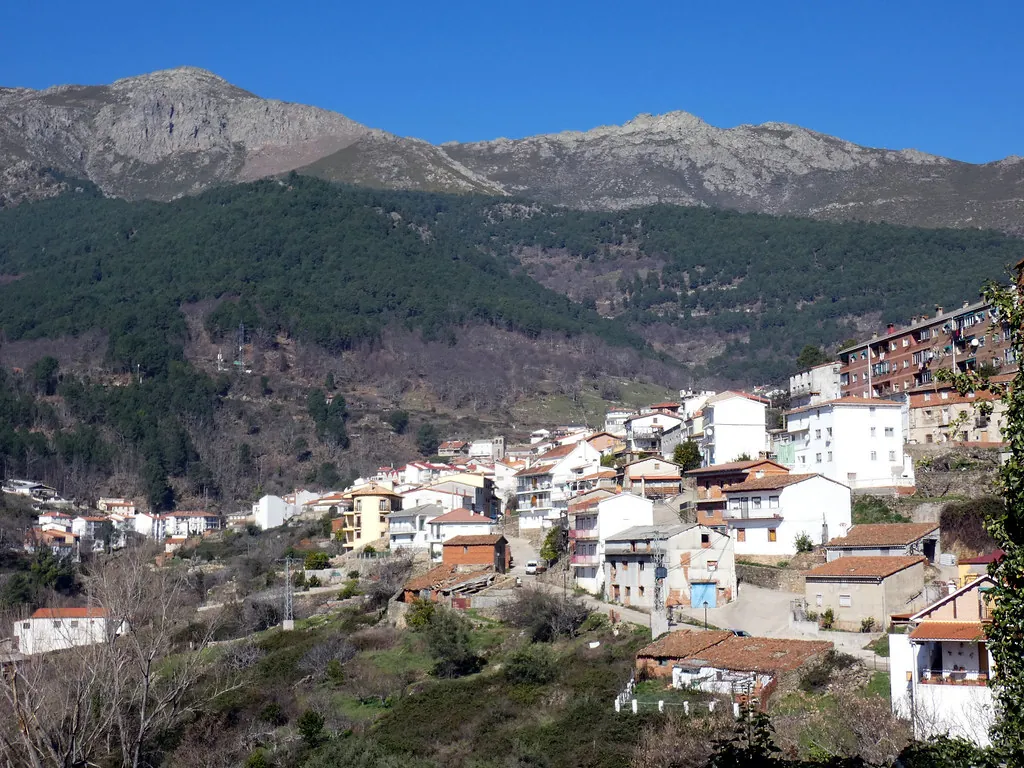
The castle keep stands empty at 9am, its medieval stones warming in early sun. Downhill, Saturday market spreads across Plaza Mayor: one stall selling knickers, another four types of chorizo, both doing brisk trade with locals who've driven in from surrounding cortijos. This is Sotillo de la Adrada at its most honest—neither theme-park Spain nor forgotten backwater, but a working village that happens to have a fourteenth-century fortress in the middle.

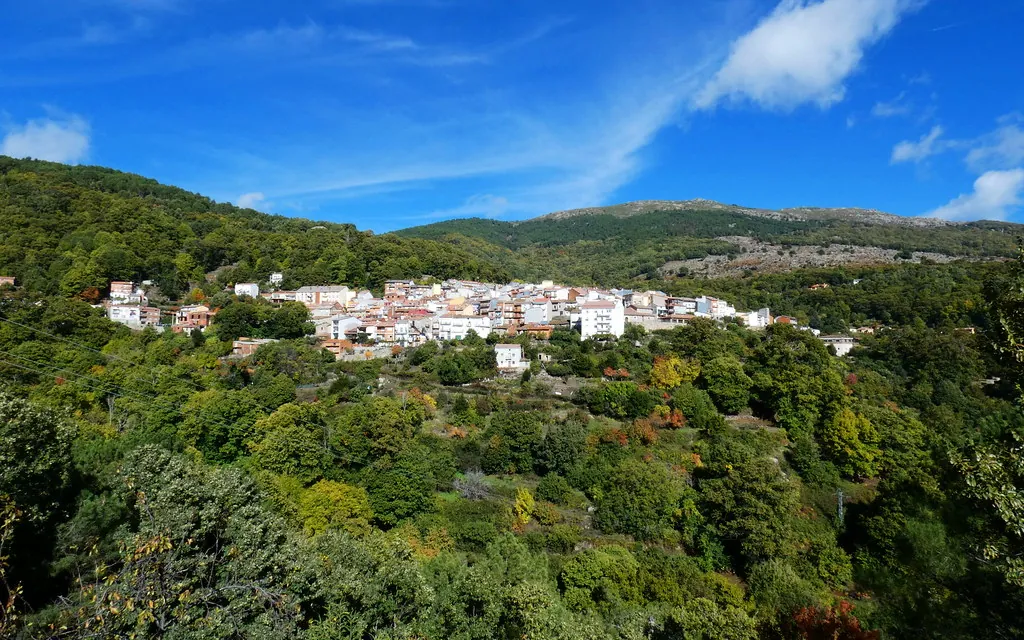
At 635 metres, the place sits in that sweet spot where Castile's harsh plateau softens into the Tiétar valley's Mediterranean microclimate. The result? Almond trees flourish alongside holm oaks, and winter mornings rarely drop below freezing long enough to kill the geraniums spilling from balconies. Madrid weekenders have figured this out—hence the bloated property prices for anything with views of Gredos—but foreign visitors remain thin on the ground.

Morning: Coffee and Castle Walls

British drivers typically arrive via the N-502, pulling off the arterial route between Madrid and Ávila for petrol or leg-stretch. Smart ones linger. The castle (free entry, though the tower stays locked) rewards those who climb fifteen minutes from the main square. Masonry walls dating from 1390 encircle a weed-strewn parade ground; look south and you'll understand why the Dukes of Alburquerque chose this ridge—rolling wheat fields give way to pine-dark slopes, the whole valley laid out like a military map.

Back in the centre, Café Paris on Calle Real does proper coffee: cortado served in glass tumblers, accompanied by ham croquetas that taste like someone's Spanish grandmother got carried away with the béchamel. They open at 7am, unusual for rural Castile, which explains the cluster of lorry drivers tucking into tostada con tomate before hitting the road.

Afternoon: When the Village Sleeps

Everything shuts at 2pm. Not "gradually winds down"—shuts. Metal shutters crash, streets empty, even the dogs seem to observe siesta. This isn't tourist-averse posturing; it's agricultural reality. Locals work split shifts, returning to fields when afternoon heat subsides. Plan accordingly: fill the car, buy water, eat lunch early or face rumbling stomachs until 8pm.

The parish church stays open, its granite bulk cooling interior temperatures by several degrees. Fifteenth-century builders knew their craft—Gothic arches transition seamlessly into Renaissance flourishes, while a Baroque retablo dominates the altar like architectural showing-off. Nobody minds whispered commentary, but flash photography earns sharp looks from elderly women polishing brass.

Palacio de los Dávila requires imagination. The sixteenth-century mansion stands locked, its noble coat of arms eroding above bricked-up windows. Peer through railings at the central courtyard—once scene of grand receptions, now hosting nesting storks who've converted medieval stonework into oversized bird tables.

Walking It Off

Three marked trails radiate from the village. The easiest follows the Tiétar river eastward, flat terrain through irrigated vegetable plots. Farmers here grow judiones—giant butter beans that taste faintly of chestnuts—on smallholdings measured in strips rather than acres. Waterwheels creak beside reed beds; kingfishers flash turquoise between poplars.

More ambitious walkers head uphill towards Ermita del Cristo de los Esclavos, ninety minutes steady climb through chestnut coppice. The chapel itself proves underwhelming, but the viewpoint delivers—Gredos massif rears granite-grey to the north, while the valley spreads south towards Toledo. Spring brings wild peonies; autumn means mushrooms. Either season beats August, when temperatures hit 38°C and paths become dust bowls.

Cyclists favour minor roads threading between olive groves. Traffic remains light except Sunday mornings, when Madrileños in oversized SUVs discover rural Spain. They drive fast, assuming empty roads—wear visible clothing and avoid the N-502 entirely.

Evening: Food That Doesn't Mess About

Dinner starts late. Attempting to eat before 9pm marks you instantly as foreign, though bars will serve raciones reluctantly. Tarelo restaurant occupies a former grain store opposite the town hall; its speciality judiones stew arrives in earthenware cazuelas big enough for two. Beans swim with morcilla, chorizo and pork belly—hearty fare that makes British casseroles seem apologetic. A portion costs €14; add a bottle of local pitarra wine (light, fruity, eminently drinkable) and dinner for two stays under forty quid.

Casa Delbó does serious meat. Their chuletón—1kg T-bone from Avileña cattle—comes simply grilled with rock salt. Chips arrive only if requested; salad requires separate negotiation. Portions suit agricultural labourers rather than desk-bound tourists, but staff happily doggy-bag leftovers. Vegetarians face limited options: tortilla (often cooked with chorizo) or grilled peppers. This isn't malice—meat simply forms the backbone of mountain cuisine.

Staying Over: Practicalities

Accommodation clusters around the ring-road rather than historic core—sensible given one-way streets barely wider than a Ford Focus. Rural houses offer pellet stoves and mountain views; ask for heating instructions on arrival. Winter nights drop below zero despite mild days, and Spanish builders assume everyone owns thermal underwear.

Sunday presents challenges. The sole ATM locks inside Santander's bank at 10pm Saturday; no cash dispensed until Monday. Half the restaurants close Sunday evening; those remaining fill with multi-generational Spanish families who treat dinner as three-hour endurance events. Book ahead or settle for bar snacks.

The Honest Verdict

Sotillo de la Adrada won't change your life. It lacks the drama of Gredos' high peaks or the architectural splendour of Ávila's walls. What it offers instead is authenticity without pretension—a place where castle ruins overlook modern allotments, and elderly men still play dominoes beneath plane trees at dusk. Come for a night en-route elsewhere, stay for the beans, leave before the village inertia becomes contagious. Just remember: the castle's always open, but the coffee's only good until the croquetas run out.

Key Facts

Region
Castilla y León
District
Valle del Tiétar
INE Code
05240
Coast
No
Mountain
Yes
Season
septiembre

Livability & Services

Key data for living or remote work

2024
ConnectivityFiber + 5G
HealthcareHealth center
EducationHigh school & elementary
Housing~5€/m² rent · Affordable
CoastBeach 19 km away
January Climate7.1°C avg
Sources: INE, CNMC, Ministry of Health, AEMET

Planning Your Visit?

Discover more villages in the Valle del Tiétar.

View full region →

More villages in Valle del Tiétar

Traveler Reviews