Full Article
about Darnius
Forested village by the Boadella reservoir; perfect for water sports and nature.
Hide article Read full article
Between the Albera Hills and the Empordà Plain
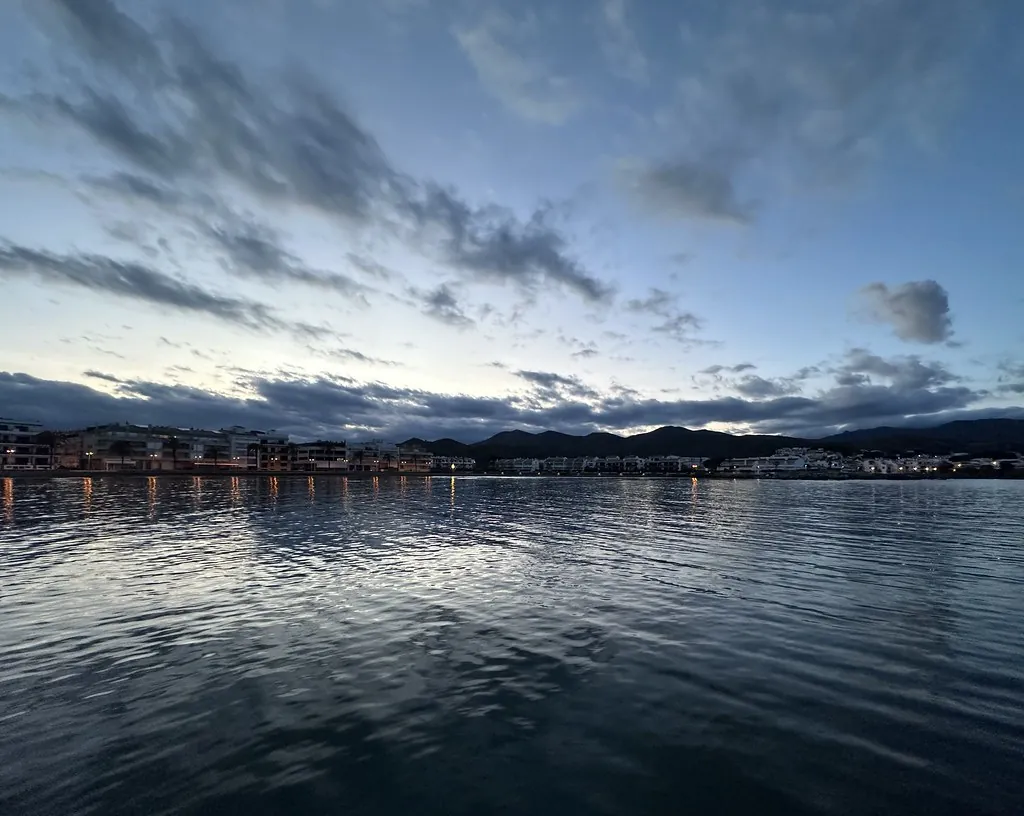
Early in the morning, when cool air drifts down from the Albera range, the surface of the Darnius‑Boadella reservoir is almost perfectly still. From nearby tracks, light filters through holm oaks and cork oaks, and the sky’s reflection is broken by branches reaching out from the shore. In Darnius, a small municipality in Alt Empordà in northern Catalonia, much of daily life revolves around this meeting of Mediterranean woodland and contained water.
The village stands at around 200 metres above sea level, in a transition zone between the hills that mark the border with France and the wide Empordà plain. With just over five hundred residents, Darnius moves at an unhurried pace. Kitchen gardens still edge the outskirts, and small cultivated plots blend into low woodland and dirt tracks.
It is a place defined less by landmarks than by landscape. Forest presses close to the houses, and the presence of the reservoir shapes both the views and the rhythm of the seasons.
Stone Streets and Sant Feliu
The old quarter is compact and easy to explore on foot. Its streets are narrow and slightly irregular, with stretches where asphalt gives way to older stone paving. Facades reveal layers of time: worn mortar, rounded archways over doorways, small windows designed more to keep out wind and cold than to flood interiors with light.
On the main square stands the parish church of Sant Feliu. The building dates back to the 15th century, although it has undergone several alterations over time. Above the entrance, a plaque commemorates local residents connected to the conflicts of the 19th century. It is the sort of detail that can easily be missed without a pause to look more closely.
The historic centre is not large. It can be wandered without a map, up and down short slopes between stone houses. Moving slowly pays off, as small details tend to appear just after turning a corner: an old arch reused as part of a home, an interior courtyard shaded by a vine, the sound of water from a nearby fountain.
There are no grand monuments or broad avenues here. Instead, the interest lies in textures and traces of daily life that have accumulated over centuries.
The Darnius‑Boadella Reservoir
The reservoir defines the municipality’s landscape. Completed in the late 1960s to regulate the River Muga and supply water to much of the surrounding comarca, it now covers an area of more than two thousand hectares. Its appearance shifts noticeably depending on rainfall during the year.
Before the dam was built, this was an agricultural valley crossed by the river. Over time, the water transformed the terrain, creating an irregular shoreline where woodland almost reaches the edge. Holm oaks, cork oaks and pines mix with more open stretches where reddish earth is exposed.
From certain elevated points on clear days, the Empordà plain can be seen extending eastwards. When conditions are particularly bright, the line of the Mediterranean appears faintly on the horizon.
Despite its scale, the reservoir often feels quiet. The surrounding forest absorbs sound, and the changing water levels leave visible marks along the banks, a reminder that this is a managed landscape shaped by both nature and infrastructure.
Walking by the Water
Several paths skirt parts of the reservoir. Some follow old forestry tracks, while others narrow into trails threading between trees. There are routes of varying length. One of the simplest runs alongside a section of the water for several kilometres, allowing walkers to keep the reservoir in view for much of the way.
Underfoot, the terrain alternates between compacted earth and stonier patches. After heavy rain, mud can make certain stretches slippery, so sturdy footwear with good grip is advisable.
Summer brings more movement to the area. Cyclists circle sections of the reservoir, and it is common to see people paddling kayaks or standing on paddleboards. Motorised navigation is restricted, which helps preserve a largely calm atmosphere. From a short distance away, the dominant sounds are gentle waves against stone and the crack of dry branches underfoot.
The experience shifts with the seasons. In drier periods, more of the shoreline is revealed, and the contrast between water and red soil becomes more pronounced. In wetter months, the reservoir expands, narrowing beaches and covering parts of the banks that might have been accessible before.
Fishing and Time by the Shore
Fishing has been part of life around the reservoir for decades. Species found here include introduced trout, black bass and pike, though catches depend heavily on the season and water levels.
Anyone intending to fish must hold the appropriate licence and comply with current local regulations, including open seasons, minimum sizes and authorised areas. It is worth checking the rules in advance, as they can vary.
Along certain stretches of shoreline, it is also common to see people simply spending the morning by the water. A folding table set up on uneven ground, a rod resting against the earth, and long hours watching the surface of the reservoir. The pace is slow and deliberate, shaped by waiting and by small changes in light and wind.
Wetlands and Birdlife
Not far from the village centre, small wetland areas linked to the reservoir system appear. They are not vast marshes, yet they are sufficient to attract birdlife.
In spring and autumn, herons and cormorants are regularly seen. With patience, a flash of blue may reveal a kingfisher skimming low across the water. On calm days, sound often arrives before sight: soft splashes, wings beating through reeds, the abrupt call of herons.
These pockets of wet ground add another layer to the area’s character. They form a transition between open water and forest, and provide a quieter counterpoint to the broader sweep of the reservoir.
When to Visit Darnius
Spring and autumn are generally the most pleasant times for walking around the reservoir. The forest is greener, the air clear, and temperatures make it comfortable to cover longer distances without excessive heat.
In summer, the sun is strong at midday. It is sensible to head out early in the day or wait until later in the afternoon, when light softens and the heat eases. At those times, the water often regains the stillness seen at first light, and the surrounding woodland casts longer shadows across the shore.
Darnius does not rely on spectacle. Its appeal lies in the relationship between a small village and a large body of water, between stone streets and shifting horizons. For those interested in walking, quiet observation and the changing character of a Mediterranean landscape, it offers space to slow down and look closely.