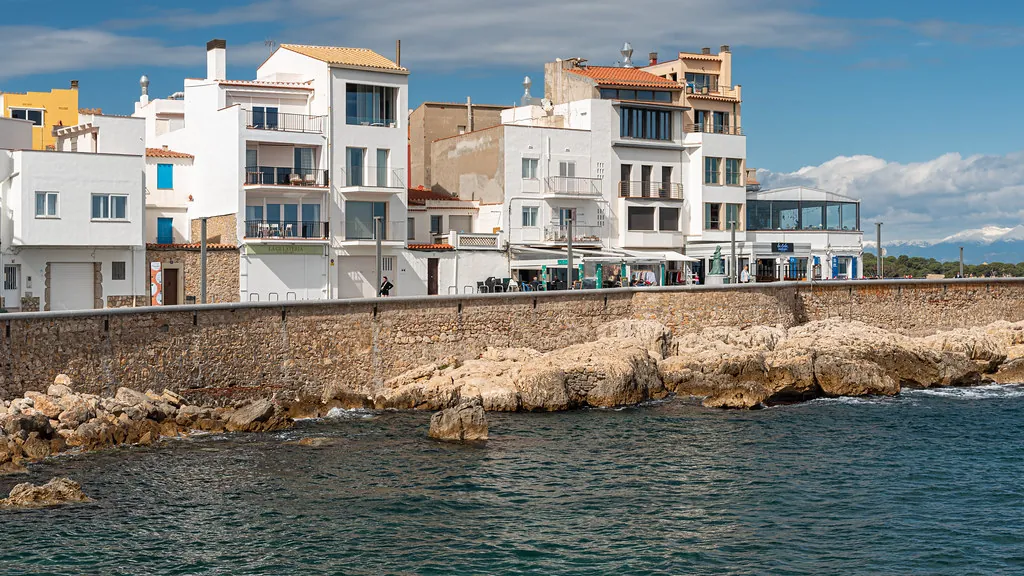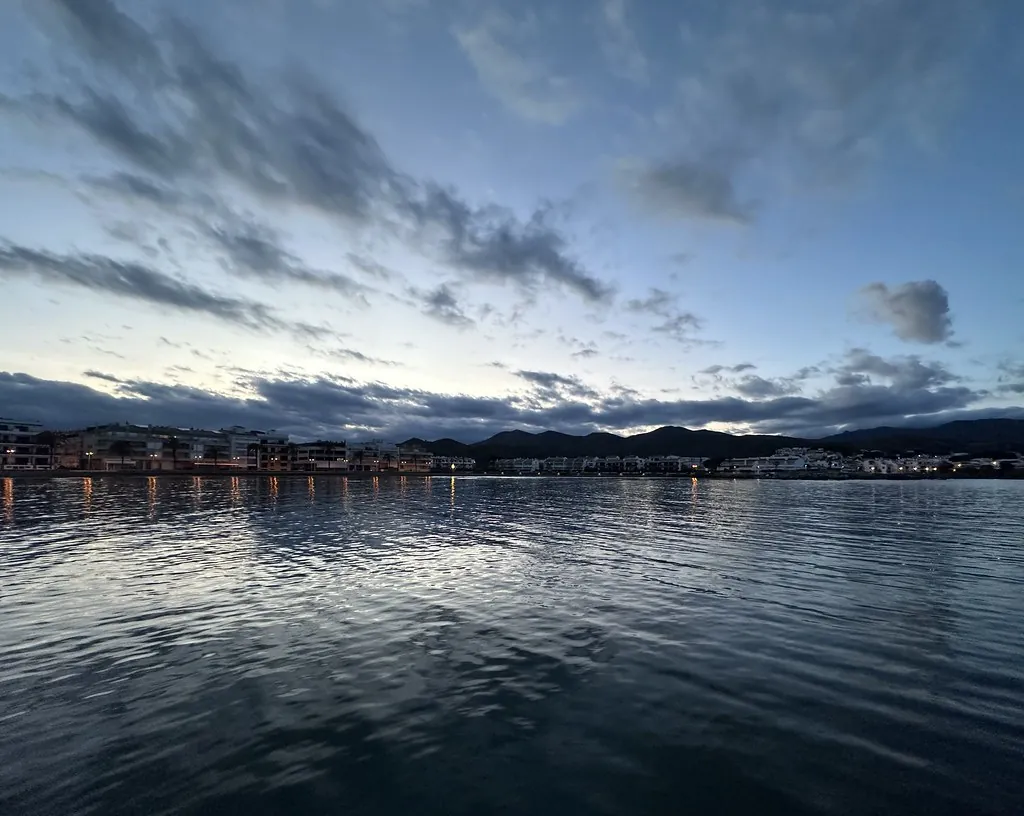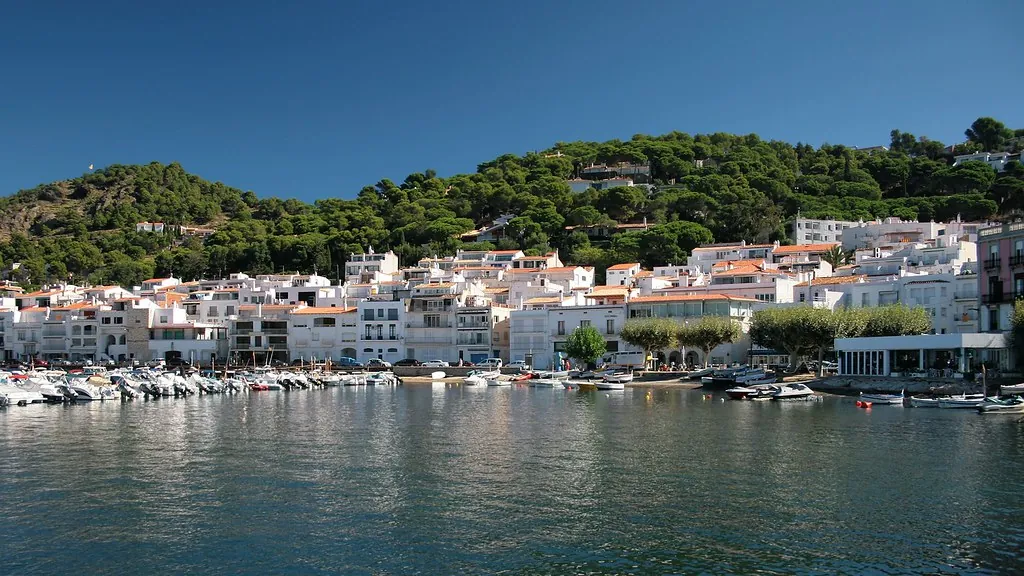
El Port de la Selva, vista des de la platja.jpeg
Jorge Franganillo · Flickr 4
Cataluña · Sea, Mountains & Culture

El Port de la Selva

The fishing boats return at 17:30 sharp. Not for tourist photos—though plenty of French weekenders gather with cameras—but because the auction hall...

1,053 inhabitants · INE 2025
12m Altitude
Coast Mediterráneo

Why Visit

Coast & beaches Mountain Monastery of Sant Pere de Rodes

Best Time to Visit

summer

Main Festival (August) agosto

Things to See & Do
in El Port de la Selva

Heritage

  • Monastery of Sant Pere de Rodes
  • old sailors' quarter

Activities

  • Visit the monastery
  • windsurfing and beach

Festivals
& & Traditions

Fecha agosto

Fiesta Mayor (agosto), Fira de l'Espàrrec

Las fiestas locales son el momento perfecto para vivir la autenticidad de El Port de la Selva.

Full Article
about El Port de la Selva

White fishing village on Cap de Creus; home to the monastery of Sant Pere de Rodes

Ocultar artículo Leer artículo completo

The fishing boats return at 17:30 sharp. Not for tourist photos—though plenty of French weekenders gather with cameras—but because the auction hall behind the harbour opens its roller shutter at 18:00 and the catch needs weighing. Watching this daily ritual from the harbour wall is one of those small reminders that El Port de la Selva still earns its living from the water, something that's becoming rare on this stretch of Costa Brava.

At barely 12 metres above sea level, the village sits squeezed between the last gasp of the Pyrenees and the Mediterranean. The mountains here don't gently slope to the sea—they simply stop, dropping 600 metres straight into water cold enough to make you gasp even in July. This geography creates a natural amphitheatre around the small bay, with white houses climbing the hillsides in terraces that catch the morning sun but provide shade during the fierce afternoon tramuntana wind.

The Wind That Shapes Everything

That wind deserves its own paragraph. The tramuntana isn't just weather here—it's a character that dictates daily life. When it blows hard, which happens roughly one day in three, the harbour turns into a mass of whitecaps and every outdoor terrace suddenly empties. Sand becomes airborne weaponry. Restaurant owners rush to stack chairs while fishermen add extra ropes to their boats. The locals barely notice; they've developed a distinctive walk, leaning forward at 15 degrees, that gets them wherever they need to go regardless.

Summer visitors often miss this drama entirely. They arrive on calm mornings, swim in water that's surprisingly clear but noticeably colder than beaches further south, and wonder why the village feels so empty by 14:00. The answer's simple: everyone's eaten lunch and retired indoors until the wind drops or the sun moves behind the mountain. This isn't laziness—it's survival strategy developed over centuries.

What Remains of the Fishing Life

The working harbour separates El Port de la Selva from the marina developments blighting much of this coastline. Small blue and white boats still head out at dawn for sardines and anchovies. Nets dry on the quayside, repaired by hand using techniques that haven't changed much since the monastery above the village was built. The fish auction operates in rapid-fire Catalan; even Spanish visitors struggle to follow the prices.

Friday's market reflects this marine connection. Stalls set up by 08:00 in the main square, selling espadrilles made in nearby villages, local strawberries that actually taste of strawberry, and surprisingly cheap kitchen equipment. By 13:00 it's all packed away, the square hosed down, and you'd never know it happened. The market's small—perhaps a dozen stalls—but useful for self-caterers since the supermarket closes for siesta until 17:30.

Eating here means seafood, though choices narrow outside peak season. El Celler, perched above the harbour, serves the best arroz negro—cuttlefish ink rice that's less intimidating than it appears, especially with the garlic mayonnaise they bring if you ask. Their terrace catches the sunset perfectly around 20:30 in summer, but you'll need to book. Spanish dining times apply: lunch 14:00-15:30, dinner from 20:30. Turn up at 18:00 expecting English holiday-camp hours and you'll find locked doors.

Walking Into History

The monastery of Sant Pere de Rodes looms over everything from 500 metres up the mountain. You can drive the twisting road in fifteen minutes, but walking takes roughly two hours and provides better context for why medieval monks chose this spot. The path starts behind the church, climbs through olive groves, then emerges onto bare rock where the Pyrenees meet sea views that stretch to France on clear days. Take water—there's no café at the top, and the vending machine in the monastery car park is often broken.

The monastery itself represents Catalan Romanesque at its most ambitious. Built between the 10th and 14th centuries, it's remarkably intact despite centuries of pirate attacks and abandonment. The church's three naves still echo with footsteps, and the cloister's carved capitals show scenes from daily life that haven't changed much: fishing, farming, fighting off invaders. From the bell tower, the entire Cap de Creus peninsula spreads below, its twisted schist formations looking like a geological accident.

Down at sea level, the coastal path heads both north and south from the harbour. North towards Cala Tavallera takes you through genuinely wild country—this is where the Pyrenees finally surrender to the Mediterranean, and the landscape shows it. Sharp schist paths require proper footwear; flip-flops last about ten minutes before disaster strikes. The calas (coves) here aren't sandy paradise beaches—they're rocky inlets where you swim off smooth platforms, then dry on hot stone. Water clarity is exceptional when the tramuntana hasn't stirred everything up.

Practical Realities

Getting here requires planning. Girona airport, 79 kilometres south, offers Ryanair flights from Stansted and Bristol. Hire a car—the AP-7 toll road costs €8 but saves time, while the free N-260 coast road provides scenery at the price of slow progress. There's no train station in the village; the nearest is Llança, 8 kilometres away, but taxis are scarce and need pre-booking.

Parking in July and August becomes a daily battle. The blue-zone bays along the seafront cost €1 per hour from 09:00-20:00, but fill by 10:00. A free dirt car park 300 metres west of the harbour offers escape, though it's rough on low-slung hire cars. Many visitors simply leave their vehicles at their accommodation and walk—everything essential lies within fifteen minutes on foot.

Accommodation ranges from basic apartments to the surprisingly comfortable Hotel Spa Cap de Creus, but book early for July. The village triples in population during August, when Spanish and French families arrive for the entire month. The local fiesta around 15 August turns quiet streets into late-night party zones; book a year ahead if you want in, or avoid completely if you don't.

When to Come, When to Stay Away

Spring and autumn provide the best balance. May brings wildflowers to the mountain slopes and water warm enough for brave swimmers. September sees settled weather, fewer crowds, and sea temperatures at their peak. October can be perfect—clear skies, no wind, restaurants still fully open—or dramatic, with storms rolling in from the Gulf of Lion that send waves crashing over the harbour wall.

Winter strips everything back to essentials. Many restaurants close, the permanent population drops below a thousand, and the tramuntana howls unchecked. But on calm sunny days between December storms, you'll have the monastery to yourself and experience something increasingly rare: a Mediterranean fishing village that hasn't been polished into theme-park perfection. Just bring a jacket. That wind doesn't mess about.

Key Facts

Region
Cataluña
District
Alt Empordà
Coast
Yes
Mountain
Yes
Season
summer

Planning Your Visit?

Discover more villages in the Alt Empordà.

View full region →

More villages in Alt Empordà

Traveler Reviews