Full Article
about Lladó
Town with a notable Augustinian monastery; picturesque main square and cheese fair
Hide article Read full article
Lladó, o cuando el reloj va más despacio
Hay pueblos que funcionan con la precisión de un tren suizo. Y luego está Lladó, donde el tiempo parece haberse quedado a tomar un café. Llegas por una carretera comarcal del Alt Empordà, aparcas en una calle junto al lavadero viejo, y en cinco minutos ya has captado el ritmo: aquí no hay prisa por llegar a ningún sitio.
No vengas buscando una lista de monumentos para tachar. Lladó es de esos sitios que se explican paseando sin rumbo fijo, viendo cómo se riega una huerta o quién sale a comprar el pan. Tiene poco más de 800 habitantes y se nota: esto es un pueblo que vive de lo que hay alrededor, de los olivos, las viñas y las verduras que ves desde cualquier salida.
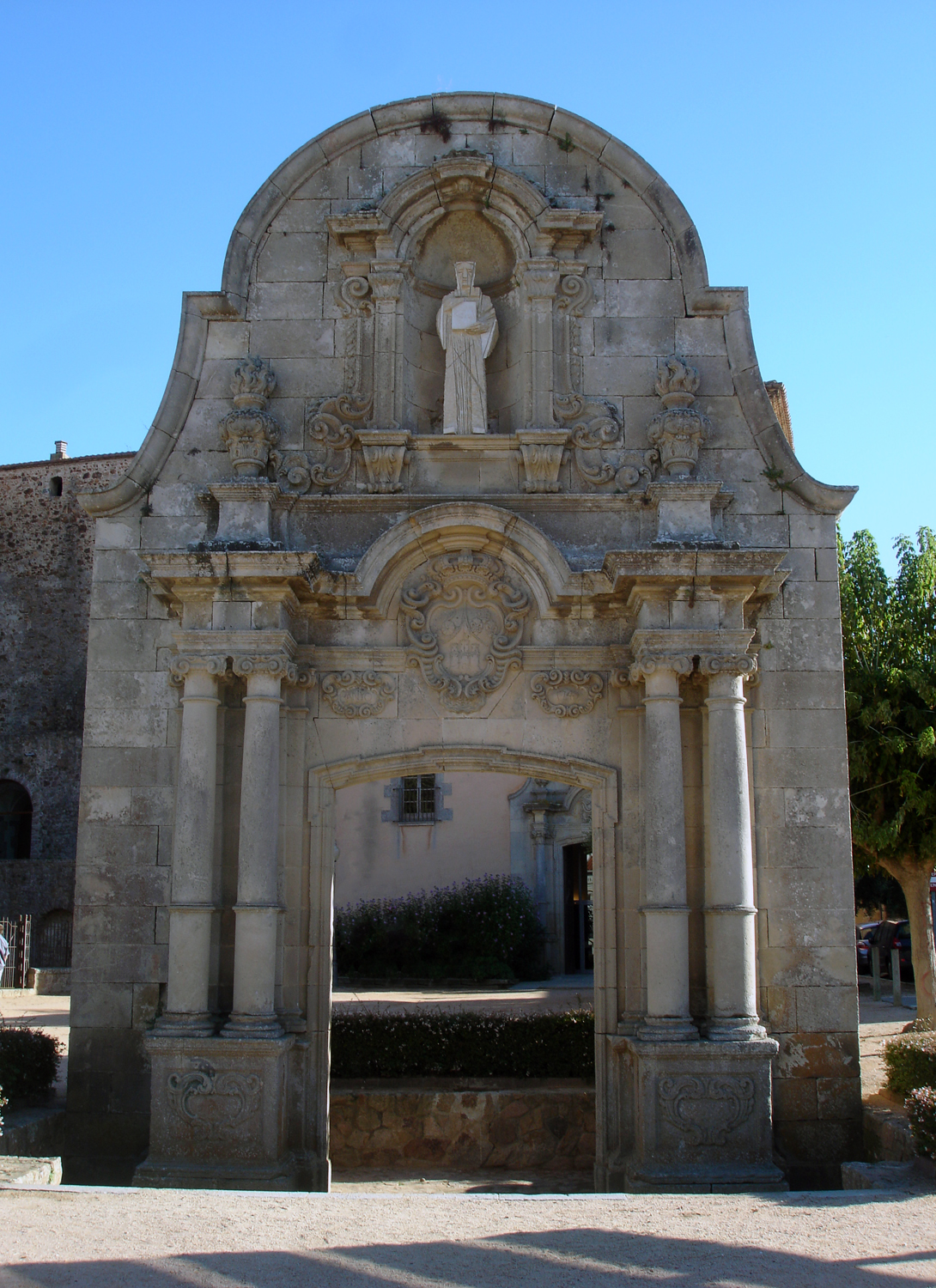
Lo primero que llama la atención es el monasterio de Santa María. No es una catedral, ni falta que le hace; es más bien como un vecino ilustre y antiguo, con su iglesia románica y sus añadidos de otros siglos. El pueblo creció a su alrededor, y aún hoy le da sentido a todo el conjunto.
El núcleo viejo y la sombra del Canigó
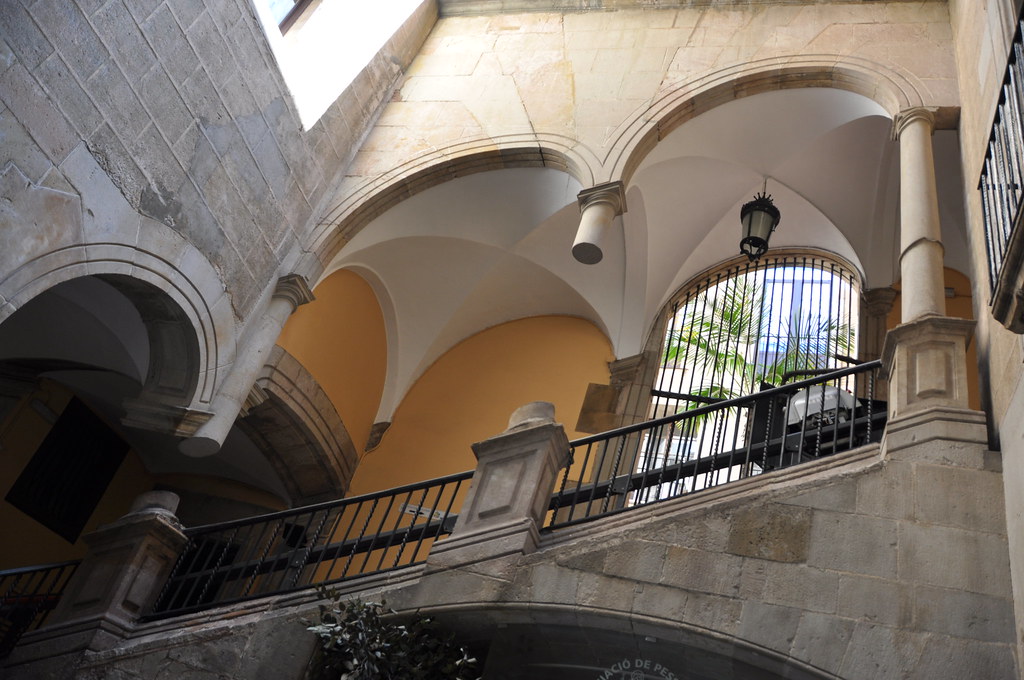
El centro histórico es pequeño. Te lo recorres en quince minutos si vas directo, pero perderías lo mejor. La gracia está en levantar la vista: portales de piedra desgastada, patios interiores que se intuyen tras una puerta entreabierta, ventanas que han visto pasar generaciones.
Desde algunos puntos en las afueras del pueblo, sobre todo si subes un poco por alguno de los caminos rurales, en los días claros se recorta la silueta del Canigó al fondo. Esa vista te sitúa: estás en el Empordà, con los Pirineos ahí al lado y los campos cambiando de color según la temporada.
Caminar (o pedalear) sin complicaciones
Para entender cómo funciona este territorio, lo mejor es calzarse unas zapatillas y salir del casco urbano. Los caminos que rodean Lladó no son rutas de montaña; son senderos agrícolas que unen campos, conectan con masías centenarias y atraviesan pequeños bosques.
Hablando de masías: son la clave para leer el paisaje. Muchas son del XVII o XVIII, algunas restauradas, otras no tanto. No son museos; son la prueba de que la vida agraria aquí sigue siendo presente, no solo pasado.
Si prefieres la bici, este es tu terreno. Las carreteritas secundarias tienen poco tráfico y las cuestas son suaves. Desde Lladó puedes enlazar fácilmente hacia Navata o Garrigàs, e incluso llegar a Figueres sin sufrir demasiado.
Comer con lo cercano y escapar al mar
La cocina aquí va muy pegada al terreno. Aceite de la comarca, embutidos caseros, pan rústico y setas cuando toca. Son productos que forman parte del día a día; no hace falta un restaurante con estrella para probarlos.
El Mediterráneo no está aquí mismo, pero tampoco queda lejos. En menos de una hora en coche puedes estar en alguna cala del litoral del Alt Empordà. Por eso mucha gente junta visita interior y playa en el mismo viaje: por la mañana paseo entre olivos, por la tarde baño salado.
Un campamento base tranquilo
Su ubicación es uno de sus puntos fuertes. Figueres está cerca para lo que haga falta (compras, farmacia…), pero al volver a Lladó recuperas esa calma pueblerina que allí se perdió hace tiempo. Desde aquí también se accede bien a espacios naturales como humedales o a otros pueblos pequeños que han conservado el carácter agrícola.
Funciona bien como base para explorar el interior empordanés sin lidiar con atascos ni carreteras complicadas. Sales por la mañana a ver qué encuentras y vuelves al final del día a un sitio donde por la noche solo se oyen los grillos.
Cuánto tiempo dedicarle
Vamos a ser claros: Lladó no es un destino para dos días completos de turismo intensivo. Es una parada tranquila dentro de una ruta más amplia por la comarca.
En una hora o dos has paseado por el núcleo antiguo, visto el monasterio y dado una vuelta por los alrededores inmediatos. Si quieres alargar la estancia hazlo caminando por algún sendero rural o sentándote a comer sin mirar el reloj. En verano cambia un poco el ambiente durante la festa major (que suele ser en agosto), con música en las calles unos días. El resto del año vuelve su tempo habitual: pueblo pequeño, rutinas cotidianas y ese silencio rural que aún se encuentra en algunos rincones del Empordà. Sabes cuando un lugar te ha gustado porque al irte piensas "aquí se podría vivir". Con Lladó me pasó algo así: no es espectacular ni te cambia la vida, pero tiene esa normalidad honesta que hoy ya es un lujo