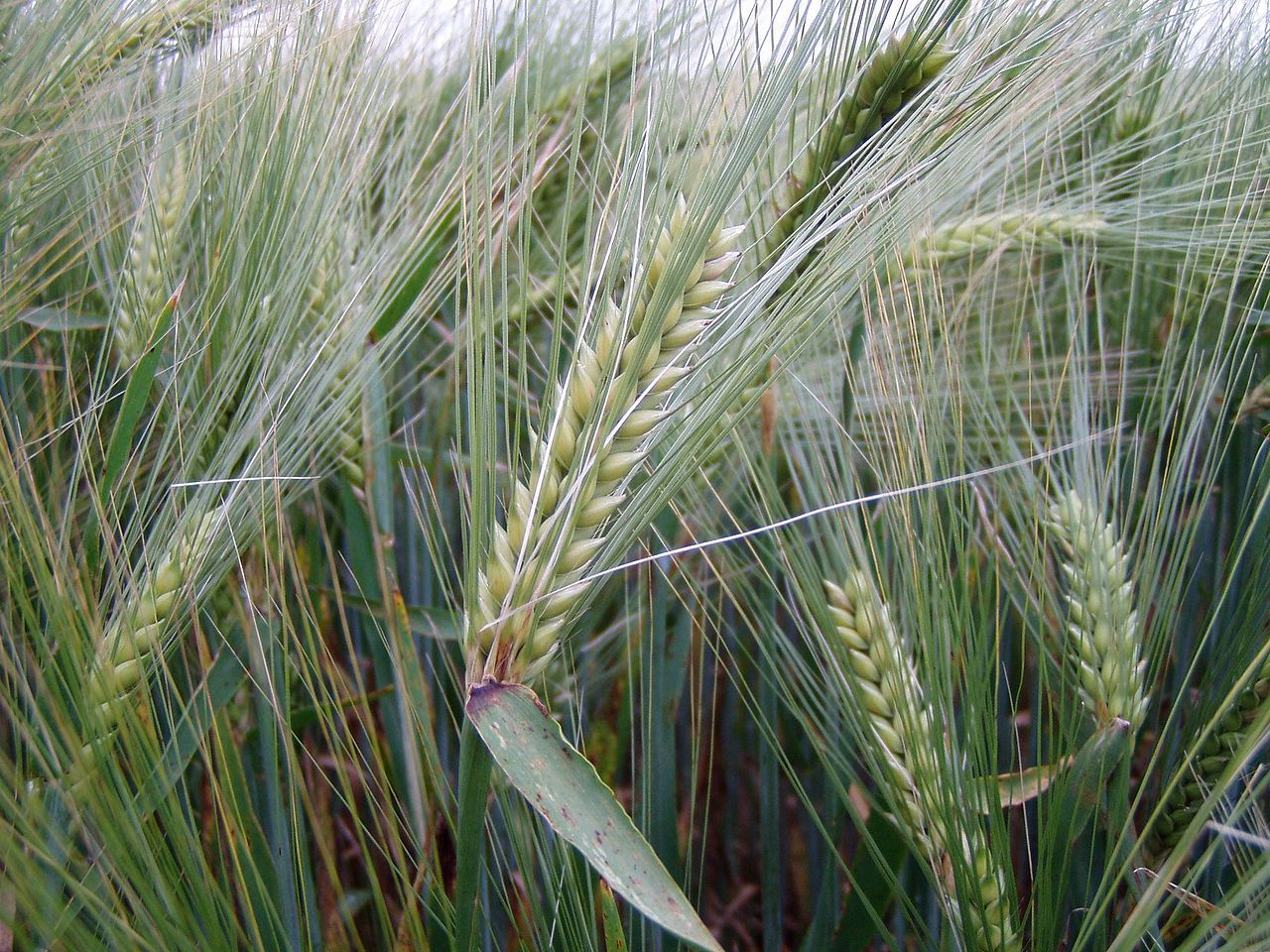
Escourgeon-Hordeum vulgare subsp. vulgare.jpg
Cataluña · Sea, Mountains & Culture

Ordis

The church bells stop ringing at 11:47. Not because someone timed them, but because that's when the wind from the Pyrenees—la tramuntana—picks up a...

409 inhabitants · INE 2025
98m Altitude

Why Visit

Church of Sant Julià Bike routes

Best Time to Visit

summer

Main Festival (August) agosto

Things to See & Do
in Ordis

Heritage

  • Church of Sant Julià
  • Rural setting

Activities

  • Bike routes
  • Cultural tours

Festivals
& & Traditions

Fecha agosto

Fiesta Mayor (agosto), Festival de música

Las fiestas locales son el momento perfecto para vivir la autenticidad de Ordis.

Full Article
about Ordis

Small farming village near Figueres; known for the legend of the shoemaker of Ordis.

Ocultar artículo Leer artículo completo

The church bells stop ringing at 11:47. Not because someone timed them, but because that's when the wind from the Pyrenees—la tramuntana—picks up and drowns them out. In Ordis, a village of 393 souls set 100 metres above sea level, weather dictates the daily rhythm more than clocks ever could.

This is the Catalonia that package brochures skip. No medieval arcades, no tapas trails, no souvenir shops flogging flamenco dolls. Instead, stone houses shoulder the narrow lanes, their lintels carved with dates from the 1700s and initials of families who still grow wheat in the surrounding fields. The parish church of Sant Julià squats at the centre, its Romanesque bones dressed in later additions, the bell tower patched so many times it resembles a quilt in grey stone.

Plain Speaking

The Alt Empordà stretches flat as a billiard table from Ordis to the distant Mediterranean, 15 kilometres away. On clear winter mornings you can see the white flash of waves beyond the marshy Aiguamolls reserve; in summer the heat haze erases even the foothills. At harvest the plain turns gold, then ochre, then black after the stubble is burned—an annual calendar visible from the village's single bench-lined square.

Foreign number plates are rare. Most visitors arrive by accident, having taken the wrong exit south of Figueres on the AP-7. GPS systems still pronounce the name as though it were French—"Or-dee"—prompting snorts from locals who insist on the Catalan click: "Or-deess". The village has no petrol station, no cash machine, no supermarket. What it does have is volume: bird song, wind, the creak of a farmer's trailer at dawn. Night brings stars undimmed by coastal light pollution and, when the tramuntana really howls, the metallic rattle of loose roof tiles that everyone promises to fix next week.

Walking the Fields

Footpaths radiate from Ordis like spokes, etched centuries ago by peasants trudging to their plots. One track heads north-east towards Vilanova de la Muga, threading between irrigation ditches where purple herons stand motionless. Another drifts south to meet the GR-92 long-distance trail that links the Pyrenees with the Costa Brava. Neither route climbs more than 30 metres; the exercise comes from distance, not gradient. A leisurely circuit to the ruined masia of Can Bellsolig and back clocks in at 7.5 kilometres—perfect before lunch, lethal at midday in August when shade is mythical and the asphalt softens underfoot.

Cyclists appreciate the same topography. Road bikers loop Ordis into 40-kilometre circuits that take in Figueres, Castelló d'Empúries and the rice fields of Pals. Gravel riders prefer the agricultural tracks, kicking up white dust that settles on roadside almonds and tastes of chalk. Weekend pelotons sweep through around ten o'clock, bidons empty, hunting for the fountain behind the church. It is the only public water source between Fortià and Navata—knowledge worth bottling.

What Passes for a Menu

Ordis itself offers one place to eat: Bar Cal Marçal, open when the owner feels like it. Coffee arrives in glasses thick as jam jars; the house wine is decanted from a plastic barrel into whatever receptacle survives the dishwasher. Order a sandwich and you get ham cut from a haunch chained to the bar, tomatoes rubbed directly onto bread, oil that tastes of green leaves and pepper. If Marçal is closed—and Tuesdays are risky—options lie five minutes away by car. Figueres has tapas bars galore, but head instead to Vila-sacra, where Can Ventura serves an €18 three-course lunch: rabbit with rosemary, local peaches, a carafe of young Empordà red that stains the tablecloth if you pour too fast.

Breakfast is DIY. The mobile bakery van honks its arrival at 8:15 outside the town hall. Buy enough croissants for the day because it won't return. Cheese, olives and fruit come from Saturday's travelling market: a single stall that unfolds like a transformer in the square, manned by a couple whose sales patter runs to "Bon dia" and a shrug that means take it or leave it.

Calendar of the Unexpected

Festivities are brief, intense and largely spontaneous. The main fiesta honours Sant Julià on the last weekend of July. Someone produces a foam machine, another volunteers a sound system, and for thirty-six hours the village quadruples in population. A tractor drags a portable dance floor into the square; grandparents dance sardanas alongside toddlers high on fluorescent sweets. At 3 a.m. the younger crowd migrates to the football pitch where a DJ booth made from hay bales pumps reggaeton across the plain. By Monday the only evidence is a constellation of plastic cups impaled on wheat stubble.

December offers the polar opposite. The pessebre vivent—a living nativity—uses residents rather than actors. The baker becomes a centurion, the mayor's wife a fortune-teller, sheep wander bleating between scenes lit by torches fuelled with hospital-grade alcohol. Entry is free; donations go to the regional food bank. British visitors expecting a twee pageant are startled to find the Three Wise Men puffing on roll-ups while discussing fertiliser prices.

Getting There, Staying Put

Girona airport sits 45 minutes south; Perpignan across the border is identical distance north. Car hire is essential—public transport stops at the edge of the N-II highway, 4 kilometres away. Trains from Barcelona to Figueres take 55 minutes on the high-speed AVE; after that it's a €25 taxi ride through sunflower fields.

Accommodation within Ordis is limited to two rural houses. Cal Sabater, a 17th-century stone pile, sleeps eight around a central well now glazed over to prevent midnight accidents. Beams are original, Wi-Fi is theoretical, the pool is a converted stone cistern that stays teeth-chatteringly cold even in July. Price: €180 per night for the whole house, minimum two nights, cash only. Bring slippers—the stone floors have claimed more ankle ligaments than the local football team.

The Catch

None of this comes without compromise. August temperatures brush 38°C; the tramuntana can blow for three days straight, sanding paint off cars and tempers off residents. Mobile reception dies in the narrow lanes; WhatsApp messages arrive in clumps whenever the wind shifts. The nearest doctor is in Figueres, the chemist closes for siesta, and if the baker's van breaks down you will eat stale bread. Accept these facts and Ordis offers something increasingly scarce: a place where the loudest sound at noon is a hoopoe calling from the telegraph wire, where the night sky still makes visitors tilt their heads backwards, where lunch stretches until the shadows reach the church steps and nobody thinks to check a watch.

Key Facts

Region
Cataluña
District
Alt Empordà
Coast
No
Mountain
No
Season
summer

Planning Your Visit?

Discover more villages in the Alt Empordà.

View full region →

More villages in Alt Empordà

Traveler Reviews