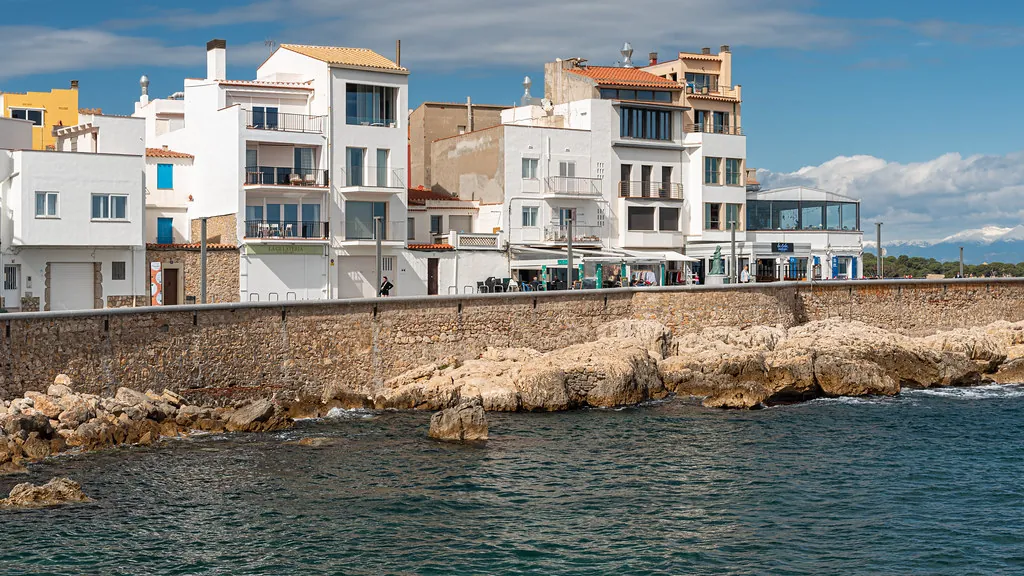
Capella de Santa Eulàlia a Palau de Santa Eulàlia.jpeg
Josep Salvany i Blanch · Public domain
Cataluña · Sea, Mountains & Culture

Palau de Santa Eulàlia

The church bell strikes noon, and for a moment the only sound in Palau de Santa Eulàlia is the mechanical whir of a distant irrigation system. This...

124 inhabitants · INE 2025
86m Altitude

Why Visit

Church of Santa Eulàlia Rural walks

Best Time to Visit

summer

Main festival (December) agosto

Things to See & Do
in Palau de Santa Eulàlia

Heritage

  • Church of Santa Eulàlia
  • Castle of Palau (remains)

Activities

  • Rural walks
  • Disconnecting

Festivals
& & Traditions

Fecha agosto

Fiesta Mayor (diciembre), Fiesta de verano (agosto)

Las fiestas locales son el momento perfecto para vivir la autenticidad de Palau de Santa Eulàlia.

Full Article
about Palau de Santa Eulàlia

Tiny rural village; noted for its Romanesque church and total quiet.

Ocultar artículo Leer artículo completo

The church bell strikes noon, and for a moment the only sound in Palau de Santa Eulàlia is the mechanical whir of a distant irrigation system. This hamlet of 128 souls sits 86 metres above sea level, close enough to smell the Mediterranean on a clear day yet firmly rooted in Catalonia's agricultural heartland. What it lacks in size—it takes roughly two minutes to cross on foot—it compensates for with an authenticity that's becoming rare in this corner of Girona province.

Stone and Silence

Palau de Santa Eulàlia isn't technically a village at all, but an entitat territorial belonging to the municipality of Garrigàs. This administrative quirk matters little to daily life. Here, neighbours measure distance not in kilometres but in reference points: the olive press at Viladamat, the Wednesday market at Torroella, the beach bar at l'Escala where the owner still remembers your grandfather's preferred vermouth.

The settlement pattern follows medieval logic. Houses huddle around the parish church of Santa Eulàlia, its modest Romanesque bones clothed in later additions. The stone façades tell their own stories—1607 carved above a doorframe here, a weathered coat of arms barely visible above a converted stable there. Traditional masías sit alongside more modest workers' cottages, their terracotta roofs angled to channel the tramuntana, the fierce north wind that sculpts cypress trees into permanent bows.

Walking the narrow lanes reveals details easily missed at driving speed. A medieval portal frames a modern kitchen extension. An old grain store, its wooden beams blackened by centuries of woodsmoke, now houses a vintage tractor. These juxtapositions aren't curated for tourists; they're simply how rural architecture evolves when nobody's watching.

The Wider View

From the village edge, the land drops gently towards the Gulf of Roses, visible as a silver shimmer between olive groves and cereal fields. The Pyrenees rise sharply to the north, their summits often snow-capped well into April. This positioning—neither coastal nor fully mountain—defines Palau's character. The altitude moderates summer heat (expect temperatures 3-4°C cooler than the beach), while winter brings proper frosts that sweeten the local olive oil.

Several unpaved tracks radiate from the hamlet, following ancient rights of way between fields. These aren't marketed as hiking trails, which means no signposts, no interpretive panels, no coach parties. What you get instead is proper countryside: hoopoes calling from fig trees, stone walls warm to the touch, the smell of wild thyme crushed underfoot. A circular route via the neighbouring hamlets of Vilacolum and Siurana d'Empordà takes about two hours at strolling pace, passing masías where dogs bark half-heartedly and elderly farmers still hand-hoe their vegetable plots.

Eating and Drinking (Elsewhere)

Palau de Santa Eulàlia itself offers no restaurants, bars, or shops. This isn't an oversight—it's simply how micro-villages function. For provisions, locals drive ten minutes to Torroella de Montgrí, where the Saturday market spills across the main square with Empordà produce: mongeta del ganxet beans, botifarra sausages, honey from wild rosemary. The bakery at Ullà does proper coca topped with local pine nuts; their almond croissants have achieved minor cult status among second-home owners.

Wine drinkers should seek out cellars producing DO Empordà labels. The region's distinctive tramuntana-influenced reds—heavy on Grenache and Carignan—pair surprisingly well with the strong flavours of mountain cuisine. Many producers offer tastings by appointment; try Mas Oller at nearby Torrent for their creamy Garatges white, or Cellar Martí Fabra at Sant Martí Vell for reds that taste of sun-baked schist.

Practical Realities

Access requires a car. From Girona airport, allow 45 minutes via the C-66 towards Figueres, then local roads through Garrigàs. The final approach involves two kilometres of narrow, winding tarmac where meeting a tractor means reversing to the nearest passing place. Parking consists of an informal gravel patch near the church—rarely full, though Sunday mornings get busy during fiesta season.

Accommodation options within Palau itself are non-existent. The nearest hotels cluster around Torroella de Montgrí, ranging from the functional Hotel Moli del Mig (rooms from €120) to the more characterful Palau Lo Mirador, a converted 14th-century manor with views across rice fields. Self-catering rentals prove more interesting: restored masías sleeping six typically cost €150-200 per night, often with pools and definitely with total silence after 10pm.

The annual fiesta, honouring Saint Eulalia in mid-February, provides the year's social highlight. Events remain resolutely local: a communal calçotada (spring onion feast) in the car park, sardana dancing in the church square, a raffle where first prize might be a ham or a year's supply of olive oil. Summer brings marginally more activity as Catalan families occupy weekend houses, but August still feels tranquil compared with coastal resorts.

When to Go, When to Avoid

Spring delivers the Empordà at its most seductive. Almond blossom appears in late February, followed by a succession of wildflowers that carpet the fields between olive groves. Temperatures sit comfortably in the high teens—perfect walking weather—and restaurants haven't yet switched to their inflated summer pricing.

October works equally well, particularly during the olive harvest. The tramuntana blows less fiercely, skies achieve that hard Mediterranean blue, and village bars (in larger settlements) serve moscatell—a sweet wine that tastes of dried apricots and autumn leaves.

Avoid August unless you enjoy ghost villages. Most locals flee to the coast, leaving Palau baking and empty. Many restaurants within driving distance close for holidays, and accommodation prices spike across the region. Mid-winter brings its own challenges: short days, occasional snow on higher ground, and that peculiar damp cold that stone houses seem to amplify.

Palau de Santa Eulàlia won't suit everyone. It offers no Instagram moments, no craft breweries, no boutique hotels. What it does provide is a glimpse of rural Catalonia before tourism, a place where the church clock still governs daily rhythms and where neighbours know precisely who's harvesting olives when. Come here to understand what lies behind the Costa Brava's glossy facade—to experience the slow, agricultural heartbeat that keeps this region alive when the beach bars close and the summer rentals stand empty.

Key Facts

Region
Cataluña
District
Alt Empordà
Coast
No
Mountain
No
Season
summer

Planning Your Visit?

Discover more villages in the Alt Empordà.

View full region →

More villages in Alt Empordà

Traveler Reviews