Full Article
about Siurana
Small farming village; castle ruins and rural atmosphere remain.
Ocultar artículo Leer artículo completo
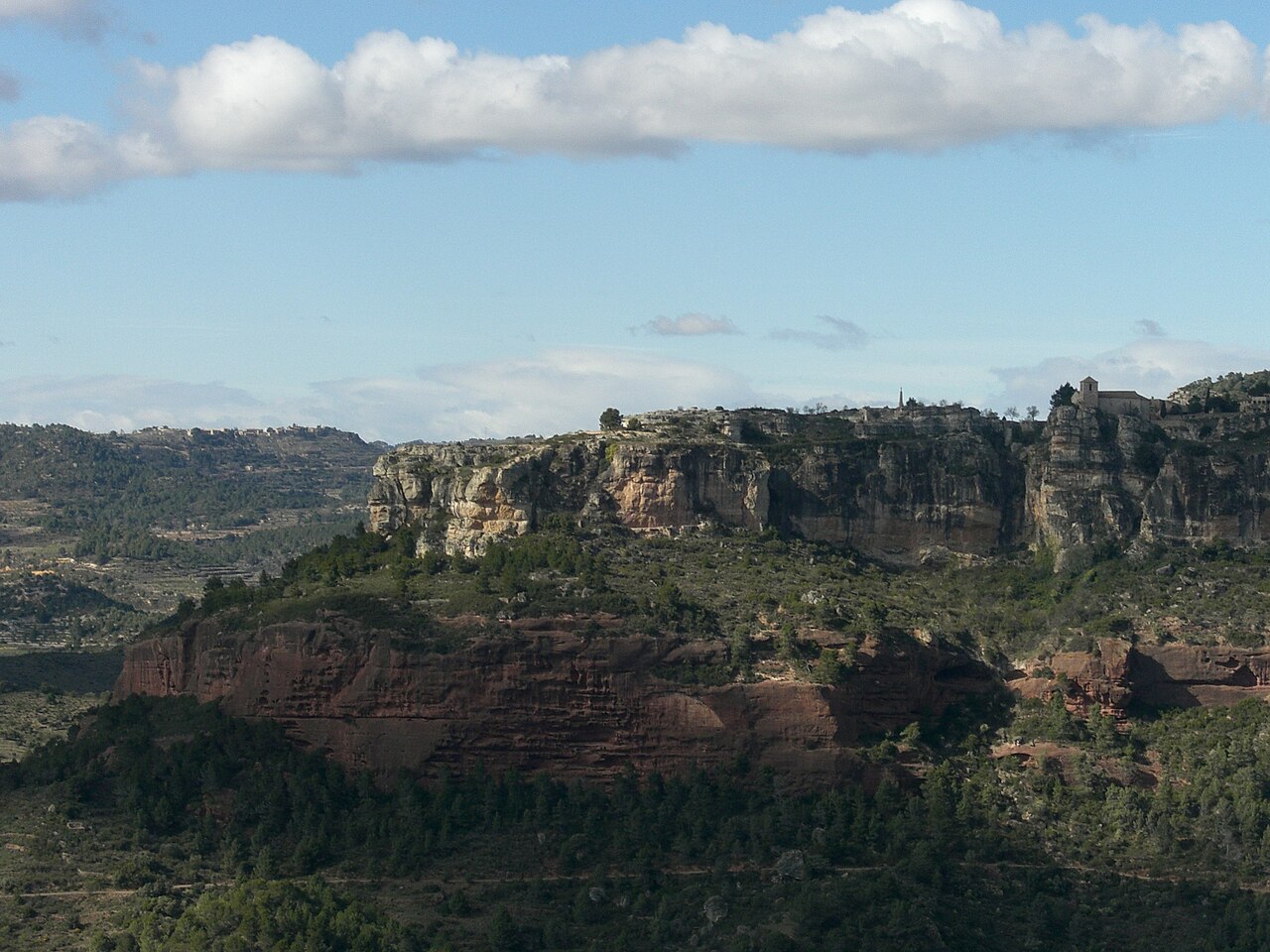
The road to Siurana gives fair warning. After Cornudella de Montsant the tarmac shrinks to a single track, then begins its assault on the limestone wall ahead—twenty-odd hairpins, each tighter than the last, the village suddenly flickering into view like a stone diadem balanced on the final precipice. At the top the engine breathes again, the Pyrenees flash white on the northern horizon, and the Priorat vineyards fall away 600 metres below. You have reached the last piece of solid ground before the earth simply stops.
The village that declined to be beautiful
Siurana’s full-time head-count hovers around thirty-three. They could have multiplied it overnight by signing the paperwork for Spain’s official “Most Beautiful Villages” club, but when the forms arrived the mayor politely filed them in the bin. Tour coaches, the logic went, are wider than the access lane and noisier than the resident griffon vultures. The decision keeps visitor numbers human: arrive before nine and you share the cobbles with two Dutch climbers and the baker’s dog; arrive after eleven on a Sunday and you queue for the three-euro car park while day-trippers from Tarragona argue over the last slot.
What they are protecting is not especially grand. A tiny Romanesque church with a carved fox—symbol of cunning—above the door; a handful of stone houses whose roofs dip like elderly eyebrows; castle ruins roped off since last year’s rockfall. The appeal lies in proportion: everything is exactly the size it needs to be for 33 people, no more, no less. Sit on the low wall opposite the bakery and you can see the entire civic timeline from Moorish battlements to the 1970s telephone box that now serves as a book-exchange.
Vertical playground, horizontal silence
Climbers discovered these cliffs in the 1970s and never left. More than 1,200 bolted routes line the southern crags, ranging from friendly 4s to a 9b+ that once stopped the World Cup circuit cold. You’ll spot them at dawn, padded jackets and espresso cups, tiptoeing across the meadow so as not to wake the cows. Even if you never leave the ground their presence adds a pleasant electricity—an unspoken reminder that the limestone you are picnicking on is the same stuff someone is hanging upside-down from 200 metres beneath your boots.
Walkers get the horizontal version. A ten-minute stroll north drops you onto the Camí de la Senyora, a contouring path that skirts the cliff then dives into holm-oak shade. Spring brings wild peonies and the smell of damp thyme; autumn colours the vineyards below into a patchwork of rust and vermilion. Allow ninety minutes for the full loop back via the reservoir—longer if you stop to watch vultures corkscrew on the thermals. The lake is pretty, but check the water level on Google Earth before you promise friends a mirror-like kayaking shot; by August it can look more like a pale green tennis court.
Calories and cash
Food options fit on one hand. The Hotel Siurana terrace does a respectable “coca” (Catalan pizza) topped with local goat cheese and honey—sweet enough for children, savoury enough for adults. Inside, the dining room serves a three-course menú del día for €22 that might include rabbit with prunes or a serviceable suquet de peix. Next door, the climbers’ bar dishes out burgers and craft beer from Tarragona county; they open at seven for breakfast and will happily sell you a packed sandwich if you ask before closing at ten. That is essentially the inventory. Expect no espresso martini, no vegan Buddha bowl, and definitely no Indian—if you need a curry fix, bring it in a flask.
Bring cash full stop. The car park ticket machine swallows coins only, the bakery’s card reader works when the wind blows from the southeast, and the olive-oil cooperative around the corner sells its DOP Siurana oil from an unmanned honesty shelf—€8 a litre, notes into the biscuit tin. The oil is mild, almost buttery, and slips through UK customs in hold luggage without raising eyebrows.
Seasons and sensible shoes
April–May and mid-September to late October are the sweet spots: temperatures in the low twenties, cliffs dry but not baking, car park still half empty. In July the mercury can top 38 °C by eleven o’clock; the rock becomes a griddle, the shade shrinks to a cocktail-stick sliver, and you will queue for a table even though there are only four. Winter is crystal-clear but savage—north winds whistle up the valley, the single hotel closes January–February, and the road can ice over. If you must come then, bring crampons for your boots, not your climbing rack.
Footwear matters. The medieval cobbles are polished marble; add a sprinkle of morning dew and they approximate a ski slope. Trainers with grippy soles beat leather-soled city shoes every time. Mobile signal evaporates the moment you step beyond the church, so download an offline map while you still have 4G in Cornudella.
The honest verdict
Siurana will not keep you busy for a week. You can exhaust the lanes in half an hour, the hikes in half a day, the restaurant roster in one rotation. What it does offer is a lesson in scale: a place still measured in human footfalls rather than coach lengths, where the loudest noise at midday is the clink of a climbing harness and the biggest decision is whether to order the honey coca or the almond tart. Come for the cliff-edge drama, stay for the quiet, leave before the tour buses figure out where everybody went.