Full Article
about Avinyonet del Penedès
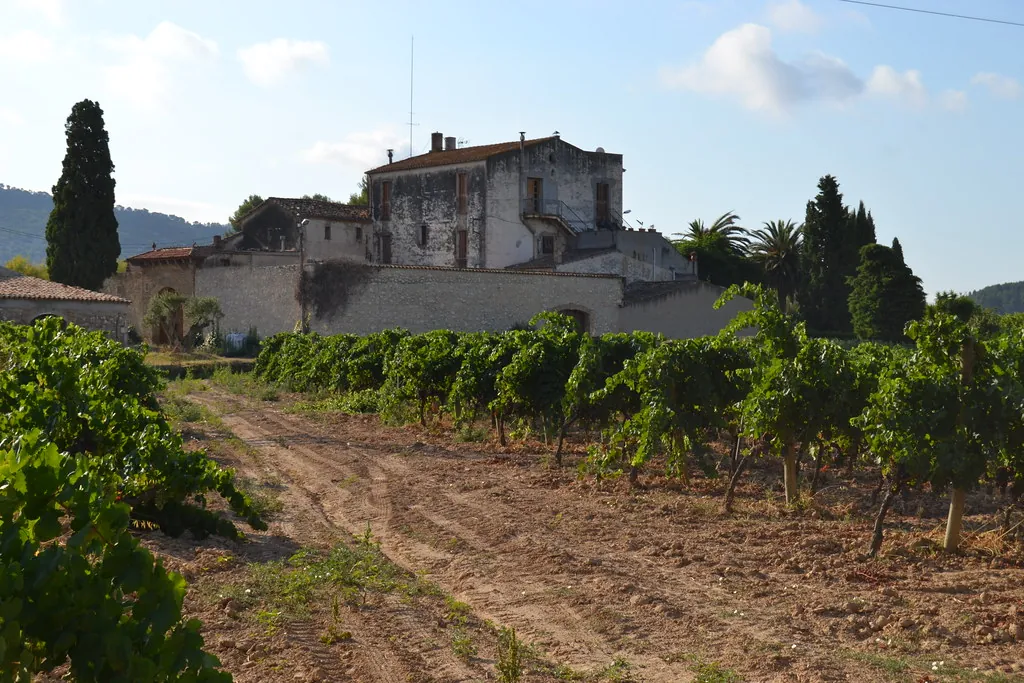
Heart of the Penedès vineyards, a landscape of farmhouses and wineries
Hide article Read full article
A Slow Turn in the Road
Some days you set off for a drive without much of a plan and end up somewhere that immediately changes your rhythm. That is the feeling Avinyonet del Penedès tends to produce. Vineyards line the road, an occasional masía appears in the distance, and the sense of urgency that dominates city life begins to fade.
Avinyonet del Penedès sits in the Alt Penedès region of Catalonia and has around 1,700 inhabitants spread across several small settlements and scattered farmhouses. It is not a place of grand monuments or busy shopping squares. It is an agricultural municipality where daily life still revolves around the vine. That focus shapes everything. Walk here for a few minutes and it becomes obvious that the landscape sets the tone.
A Modest Centre with Deep Roots
The main nucleus of Avinyonet is understated. Streets are short. Stone houses stand side by side. Buildings from different periods mix together without any obvious attempt at polished restoration. Large doorways, originally built to allow carts through, still frame some façades. Interior courtyards exist because they always have, not because they were added for style.
The parish church of Sant Sebastià stands in the square. Its origins are usually placed in the 16th century, although the building has changed over time. It is not monumental and does not attempt to be. Instead, it acts as a reference point for the village, a structure that has witnessed generations pass through the same space.
There is no grand architectural statement here. The appeal lies in continuity and everyday use. The square, the church and the surrounding houses form a centre that feels lived in rather than curated.
Masías and a Landscape Shaped by Vines
The defining feature of Avinyonet del Penedès lies beyond its small centre. The municipality is dotted with masías, traditional Catalan country houses, and expanses of vineyards that stretch in every direction. Some of these houses have stood for centuries and remain linked to agricultural work.
The landscape is not wild or rugged. It is orderly and cultivated. Rows of vines run in neat lines across the fields. Rural tracks cut between plots. An olive grove appears now and then. Generations have worked this land, shaping it season after season.
That sense of long-term care is part of what makes the area distinctive. The vines do not feel decorative. They are the reason the place exists as it does today. Every road seems to lead past more fields. Every turn offers another variation on the same theme: soil, vine, sky.
Walking the Rural Paths
One of the simplest pleasures in Avinyonet is walking. Rural paths connect masías, fields and the small population centres that make up the municipality. These are straightforward routes. There is no need for elaborate planning. Park the car, start walking and decide at each junction where to go next.
The terrain includes slight rises. On clear days, from some of these small elevations, Montserrat can be seen in the distance. For readers unfamiliar with it, Montserrat is the distinctive mountain range near Barcelona known for its unusual rock formations. The view is not constant. When it does appear on the horizon, framed by vineyards, it adds another layer to the scene.
The landscape shifts with the seasons. In spring, green dominates. The vineyards fill out and the fields look fresh. By late summer, harvest time transforms the area. Tractors move along the rural tracks. Crates of grapes appear. Activity increases in the fields as the vendimia, the grape harvest, gets under way.
The changes are practical rather than theatrical. Work follows the agricultural calendar. Visitors who arrive at different times of year encounter a landscape in motion rather than a static postcard.
Wine Culture at the Forefront
In the Penedès region, wine is unavoidable. Avinyonet del Penedès forms part of this wider wine-producing area. Within the municipality and nearby there are family-run wineries as well as larger projects linked to the local denomination of origin. That designation regulates and recognises wines produced in the area.
Some wineries organise visits or tastings. These experiences explain how the vineyards are worked and what happens afterwards in the cellar. The process, from cultivation to harvest and ageing, is part of everyday life here.
Expert knowledge is not required to appreciate it. Understanding the stages of production often makes the final tasting more meaningful. The connection between the fields outside and the glass in hand becomes clear. In Avinyonet, wine is not an abstract label. It is a product of the surrounding land.
A Place to Slow Down
Avinyonet del Penedès does not reward a checklist mentality. It is not a destination built around ticking off sights. The plan here is usually simple: take a walk, drive between vineyards, pause to look across the fields.
Local festivals, generally held at the end of summer and also around the feast day of the village’s patron saint, retain a strong neighbourhood feel. There is music, activities in the square and an atmosphere where most people know each other. The scale remains small and community-focused.
After a few hours in the area, a clear impression emerges. Avinyonet does not try to impress. It exists as a working part of the Penedès where the vine still dictates the rhythm of the year. For travellers accustomed to busier destinations, that steady pace can feel unfamiliar at first. Given time, it becomes the main reason to come.