Full Article
about Castellví de la Marca
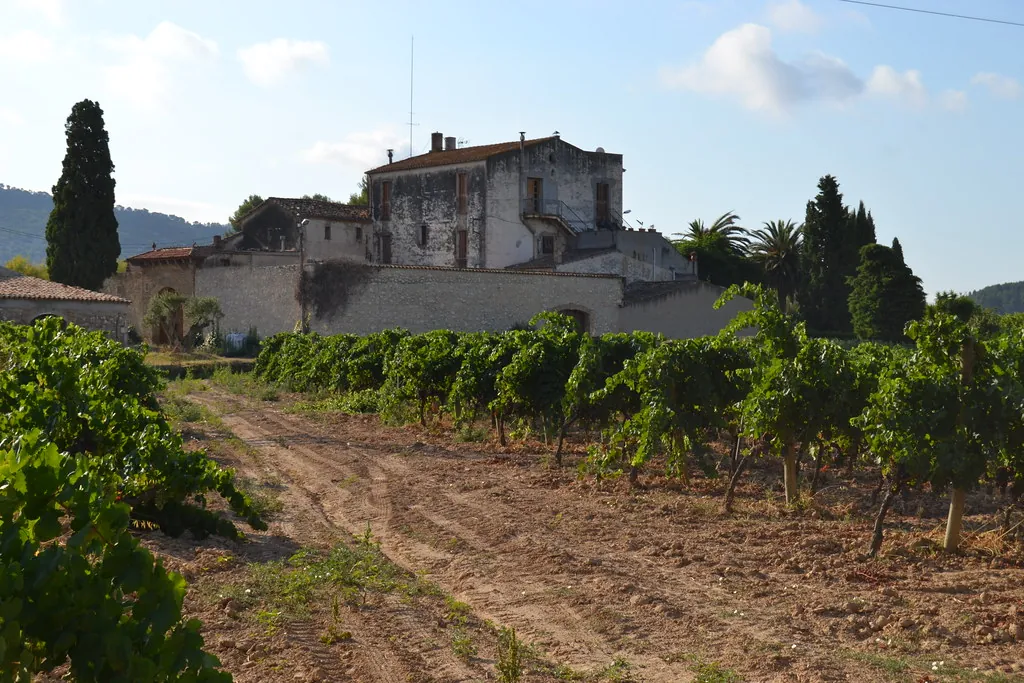
Wine-growing municipality dominated by the Castilloot on a crag.
Ocultar artículo Leer artículo completo
The thermometer drops noticeably as you climb the BP-2427 from Vilafranca del Penedès. At 200 metres above sea level, Castellvi de la Marca sits just high enough to catch the breeze that sweeps across vineyards stretching to every horizon. This modest gain in altitude makes all the difference—summer evenings arrive earlier here, winter mornings bring proper frost, and the grapes that define this corner of Catalonia develop their character under conditions distinctly different from the coastal plain fifty kilometres east.
A Village That Works for Its Living
Unlike the manicured wine tourism destinations closer to Barcelona, Castellvi de la Marca remains fundamentally agricultural. Tractors rumble through narrow streets built centuries before such machinery existed. The morning air carries the sharp scent of fertilizer rather than artisanal coffee. Locals gather at Bar Restaurant Cal Xiu for breakfast—strong coffee and substantial sandwiches—before heading to the fields that surround the village on every side.
The architecture reflects this workaday reality. Stone farmhouses, many dating from the 18th and 19th centuries, sit directly on the streets rather than set back behind picture-perfect gardens. Their ground floors once housed animals; their upper levels stored grain and tools. Today, satellite dishes sprout from ancient walls, and washing hangs from balconies above garages containing not livestock but Citroëns and Seat hatchbacks.
The parish church of Sant Pere dominates the small plaça major, its robust sandstone walls and modest bell tower speaking of centuries of village life rather than grand religious ambition. Step inside to find an interior as unpretentious as the exterior—simple wooden pews, local saints in dim alcoves, and the particular coolness that stone buildings maintain even during August heatwaves.
Walking Through the Harvest Calendar
The vineyards dictate the village rhythm more than any tourism calendar. Spring brings intense green growth, the vines awakening from winter dormancy under warming sun. Summer turns the landscape golden, grapes swelling under foliage that provides precious shade for walkers. Autumn transforms everything to copper and rust as leaves die back and the vendimia (grape harvest) dominates every conversation.
Several marked walking routes radiate from the village, though the marking can be sporadic and a proper map proves essential. The most straightforward follows the Camí de les Vinyes westward toward Sant Martí Sarroca, passing through alternating blocks of vines, almond groves, and the occasional pine copse that provides welcome shade. The terrain rolls rather than climbs, making for pleasant walking without serious exertion—though carrying water remains non-negotiable during summer months when temperatures regularly exceed 30°C.
Winter brings its own stark beauty. Without the distraction of foliage, the formal geometry of viticulture becomes apparent—row upon regimented row creating optical illusions across the slopes. Morning mists frequently blanket the lower vineyards, leaving Castellvi de la Marca floating above a white sea that gradually burns off under watery sunlight. Access becomes more reliable than in many mountain villages—the main road stays clear except during the most exceptional weather—but walkers should pack layers as the altitude amplifies temperature changes.
Wine Without the Theatre
The Penedès wine region stretches across this countryside, and Castellvi de la Marca sits at its agricultural heart. Unlike the more commercial bodegas closer to Sant Sadurní d'Anoia, the wineries surrounding this village tend toward family operations where visits require advance arrangement rather than simply turning up for scheduled tours. This demands more effort but yields more authentic encounters—grandparents explaining traditional methods while their grandchildren handle Instagram accounts, tastings conducted in actual cellars rather than purpose-built visitor centres.
Cava production dominates here, the traditional method sparkling wine that Catalans perfected in the late 19th century. The limestone soils and altitude create ideal conditions for the traditional grapes—Macabeu, Xarel·lo, and Parellada—that must be hand-harvested for the finest cuvées. During September's harvest, the village population effectively doubles as seasonal workers arrive, and the morning air carries the sweet scent of crushed grapes from the cooperative presses.
Several bodegas within five kilometres offer proper visits: Cava Guilera in neighbouring Mediona specialises in small-production cavas aged far longer than the legal minimum, while Albet i Noya in Sant Pau d'Ordal pioneered organic viticulture in the region during the 1970s. Expect to pay €15-20 for comprehensive tastings including aged reserves—significantly less than equivalent experiences closer to Barcelona.
Eating and Staying: Keep It Local
Castellvi de la Marca itself offers limited dining options, essentially Cal Xiu for basic Catalan country cooking and Bar Sport for drinks and tapas. The menu at Cal Xiu changes seasonally—grilled spring onions (calçots) during winter months, tomato-rubbed bread with local olive oil year-round, substantial meat dishes that reflect the interior Catalan preference for pork and rabbit over coastal seafood.
Better dining requires travelling five kilometres to Sant Martí Sarroca, where Cal Xic provides properly ambitious cooking using local ingredients, or ten kilometres to Vilafranca del Penedès with its broader restaurant selection. The latter also offers the nearest accommodation options beyond the occasional rural farmhouse rental—Hotel Domo with its comfortable modern rooms, or several converted masias providing self-catering options amid the vineyards.
Getting There and Away
The village sits 50 kilometres west of Barcelona, accessible via the AP-7 motorway toward Tarragona. Exit at Vilafranca del Penedès and follow the BP-2427 north for twelve kilometres. The final approach involves several sharp bends as the road climbs—drive carefully, particularly after vineyard work when tractors deposit mud on the tarmac. Journey time from Barcelona Airport averages 55 minutes without traffic, though Friday evenings and Sunday afternoons can add thirty minutes to the coast-bound journey.
Public transport exists but requires patience. Regular trains connect Barcelona to Vilafranca del Penedès, from where a twice-daily bus service reaches Castellvi de la Marca—though timetables suit schoolchildren rather than tourists. Hiring a car proves essential for exploring the surrounding wine country, with several rental agencies operating from Vilafranca's train station.
The Unvarnished Truth
Castellvi de la Marca makes no concessions to tourism expectations. English remains rarely spoken away from the larger bodegas. Shops close for siesta. August temperatures can feel oppressive despite the altitude. Winter weekends see the village largely deserted as locals head to coastal second homes. The singular attraction—the church and its modest plaça—occupies perhaps twenty minutes of anyone's time.
Yet this authenticity constitutes the village's genuine appeal. Here lies an opportunity to witness Catalan country life continuing largely unchanged by the tourism transformation that has reshaped so many Spanish villages. The wine tastes authentic because it is. The walks feel genuine because they follow paths used daily by agricultural workers. The conversations—conducted in whatever linguistic common ground can be established—deal with harvests and weather rather than souvenir recommendations.
Come for the wine, certainly. Walk the vineyards during golden autumn afternoons. But understand that Castellvi de la Marca offers something increasingly rare—a working agricultural community that happens to welcome visitors rather than a visitor attraction that happens to maintain agricultural traditions. The distinction matters, and explains why those who appreciate the difference return year after year to watch the same vines through their annual cycle, drinking wine that never travels far from where it was grown.