Pontons - Flickr
Cataluña · Sea, Mountains & Culture

Pontons

The church bell strikes two as a tractor rumbles through Pontons' single main street, scattering pigeons and interrupting an otherwise perfect midd...

516 inhabitants · INE 2025
632m Altitude

Why Visit

Mountain Church of Santa Magdalena Hiking

Best Time to Visit

summer

Main Festival (July) julio

Things to See & Do
in Pontons

Heritage

  • Church of Santa Magdalena
  • Cliffs of Pontons

Activities

  • Hiking
  • Nature

Festivals
& & Traditions

Fecha julio

Fiesta Mayor (julio)

Las fiestas locales son el momento perfecto para vivir la autenticidad de Pontons.

Full Article
about Pontons

The highest municipality in Penedès, with mountain scenery and forests.

Ocultar artículo Leer artículo completo

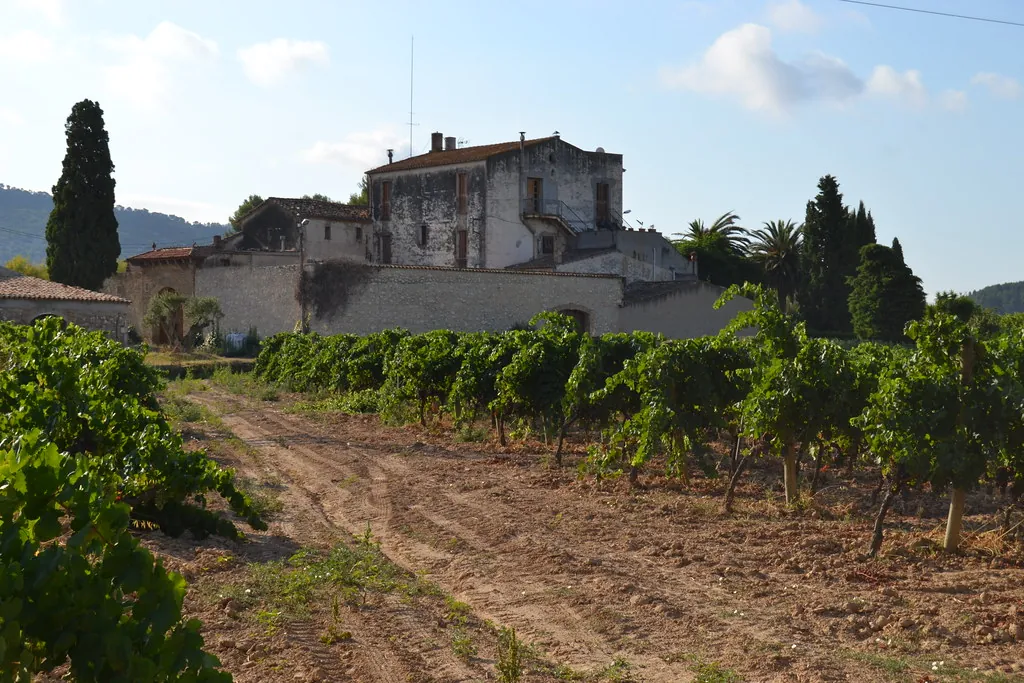
The church bell strikes two as a tractor rumbles through Pontons' single main street, scattering pigeons and interrupting an otherwise perfect midday hush. At 630 metres above sea level, the air carries a clarity that makes the surrounding vineyards shimmer like polished glass. This is Catalonia's wine country, but not as most British visitors know it—no tour buses, no tasting rooms with gift shops, just stone houses and the smell of pine drifting down from the pre-coastal mountains.

High Ground, Slow Pace

Pontons sits where the Penedès plain meets its first proper hills, forty minutes west of Barcelona if the AP-7 behaves. The altitude makes a difference. Summer mornings arrive fresh even in August, and winter can bring proper frost while the coast stays mild. The village proper stretches along a ridge; walk fifty metres up the cami de la Font and the temperature drops another degree, the breeze carrying wild rosemary and distant diesel from somebody's vineyard tractor.

What hits first is the quiet. Not silence—swallows nest under the church eaves, a dog barks two streets over—but the particular hush of a place where nothing much is scheduled to happen. The population barely tops five hundred; many work the surrounding vines and only appear at dawn and dusk. Mid-afternoon, the bench outside the only open bar hosts the same three men who were there yesterday, coffee cups refilled without asking.

The old centre, if you can call it that, clusters around the twelfth-century Sant Pere church. The building has been scrubbed and patched so many times that only the bell-tower profile and a fragment of Romanesque doorway remain genuinely medieval. Inside it's cool and plain, the stone floor worn smooth by centuries of farming boots. Nobody will charge you entry; nobody will offer a laminated guide. Light a candle for fifty cents if you wish, then leave.

Walking Without Checkpoints

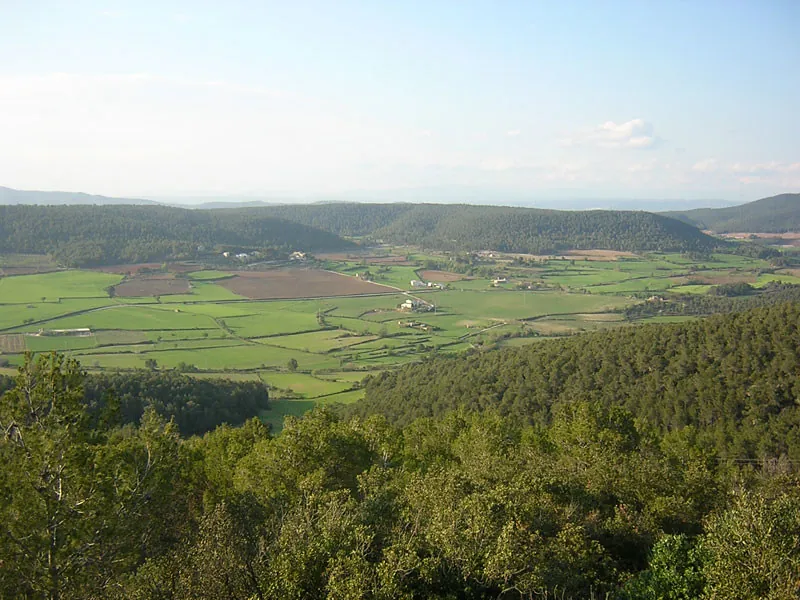
Pontons works best as a place to start walking and stop when you've had enough. A yellow-blazed footpath heads north-east from the church, following an agricultural track between olive groves and abandoned stone huts. After twenty minutes the tarmac gives way to packed earth; after forty you reach a natural balcony overlooking the whole Penedès basin. On clear winter days the Pyrenees float white on the horizon; in October the vineyards turn bronze and rust, neat rows rippling like corduroy.

The tourist office—really a cupboard inside the ajuntament—hands out a simple leaflet marking five circular routes from 4 to 14 km. None require more than trainers and a water bottle, though the 250-metre climb to La Talaia ridge will make you earn your lunch. Way-marking is sporadic; download the free MapMyWalk layer before you set off because phone signal vanishes in the pine plantations.

Mountain-bikers use the same tracks. The gradients suit steady grinders rather than adrenaline seekers—think Surrey Hills rather than Lake District passes. Road cyclists arrive for the secondary tarmac that loops through neighbouring Font-rubí and Sant Martí Sarroca: smooth asphalt, negligible traffic, and enough ups and downs to justify the calories in tonight's wine.

Lunch at Siesta O'Clock

Food options are limited and proud of it. Cal Xirriclo, halfway along the main street, opens at 13:00 and stops serving at 15:30 sharp. The €16 menú del día brings soup or salad, half a roast chicken with chips, and crème caramel heavy enough to stop a clock. Vegetarians get escalivada (smoky aubergine and peppers) followed by spinach cannelloni—acceptable if not exciting. House wine comes from a co-operative three kilometres away; the red tastes better after the second glass, which is just as well because they don't serve by the glass.

Tuesday is market morning: two stalls, one greengrocer, one hardware. Buy almonds if they're selling—blanched, toasted, and cheaper than anything at Borough Market. The bakery opposite the church does serviceable croissants but the real order is carquinyolis, twice-baked almond biscuits that cry out for dunking in coffee (or the complimentary shot of sweet moscatell the waiter brings with the bill).

Evening dining is trickier. Most kitchens close once lunch ends; the village bar shuts at 20:00 and there is no chippy alternative. Staying overnight means either self-catering or booking a table at Cal Xirriclo in advance—difficult if your Spanish doesn't stretch beyond "dos cervezas, por favor."

Wine Without the Hard Sell

Pontons itself has no bodegas open to drop-ins, but five minutes down the C-15 you reach the co-operatives of Font-rubí and Sant Martí. Most offer free tastings if you look likely to buy; the standard purchase is a three-litre box for €9, perfectly drinkable table wine that won't impress dinner-party guests but works a treat on holiday. Bring your own plastic bottle if you want less volume.

Serious appellations sit twenty minutes west in Sant Sadurní d'Anoia—Codorníu, Freixenet, and dozens of family cava houses. Combine a morning walk in Pontons with a 12:00 cava tour and you're back for late lunch before the chef hangs up his apron. That sequence avoids the coach-party crowds that descend on weekends; Monday through Wednesday you often get the guide to yourself.

Where to Lay Your Head

Overnight stays remain rare enough that the locals notice strangers. El Molí de Pontons, a converted mill on the outskirts, offers eight plain doubles from €90 including breakfast (toast, cold meats, industrial yoghurt). The draw is the pool—essential in July when inland temperatures brush 36 °C—and the absence of passing traffic. Anything closer to Barcelona would cost double and come with motorway hum.

Alternative accommodation means holiday cottages scattered among the vines. Most sleep six, making them economical for two couples sharing. Expect stone walls, wood-burning stoves, and Wi-Fi that falters whenever it rains. British owners have snapped up several ruins; if the gate sports a "For Sale" sign in English, you're probably looking at a fellow countryman's renovation fantasy.

When to Bother, When to Skip

Spring delivers wildflowers along the tracks and temperatures nudging 20 °C by late morning—ideal hiking weather. September brings the grape harvest: tractors hauling trailers of glistening fruit, the air sweet with fermentation. Both seasons stay quiet; you can park anywhere and restaurant tables are guaranteed.

August is doable if you handle heat well, but the village empties as locals flee to the coast. January and February turn atmospheric—wood smoke, low sun, sharp shadows—but mountain fog can close the BV-2121 access road without warning. Carry snow chains if forecasters mention "nevades febles"; Spanish councils are slower to grit than Kent County Council on a Sunday.

Rain at any time of year converts the unpaved footpaths to orange glue. White trainers become brown in minutes; bring something you don't mind ruining.

The Honest Verdict

Pontons will never make a "Top Ten Catalan Villages" list because it offers no postcard plaza, no artisan ice-cream parlour, no selfie-friendly castle. What it does provide is a textbook demonstration of slow rural living an hour from a major European city. Come for a leg-stretch between winery visits, linger over lunch, walk until the vineyards turn golden, then drive back before the evening chill settles. Treat it as breathing space rather than a destination and the place makes perfect sense. Expect more and you'll wonder why you bothered leaving Barcelona.

Key Facts

Region
Cataluña
District
Alt Penedès
Coast
No
Mountain
Yes
Season
summer

Official Data

Institutional records and open data (when available).

  • Torre de Cal Rei
    bic Edifici ~1.4 km
  • Fons documental de l’Arxiu Municipal de Pontons
    bic Fons documental ~0.1 km
  • Font del Molinot
    bic Element arquitectònic ~0.6 km
  • Cal Xamanet
    bic Edifici ~1.6 km
  • Molí de Dalt
    bic Edifici ~0 km
  • Col·lecció arqueològica de Pontons al Vinseum. Museu de les Cultures del Vi de Catalunya.
    bic Col·lecció ~0.1 km
Ver más (44)
  • Santa Magdalena
    bic Edifici
  • Cal Benet
    bic Edifici
  • Font de la Gatelleta
    bic Element arquitectònic
  • Font de cal Benet
    bic Zona d'interès
  • La Rovira
    bic Conjunt arquitectònic
  • Fons fotogràfic de Pontons de l’Arxiu Comarcal de l’Alt Penedès
    bic Fons d'imatges
  • Fons documental de Pontons de l’Arxiu Corona d’Aragó
    bic Fons documental
  • Fons documental de Pontons a l’Arxiu Comarcal de l’Alt Penedès
    bic Fons documental
  • Sant Salvador
    bic Edifici
  • Mas de la Riera
    bic Conjunt arquitectònic

Planning Your Visit?

Discover more villages in the Alt Penedès.

View full region →

More villages in Alt Penedès

Traveler Reviews