Full Article
about Sant Llorenç d'Hortons
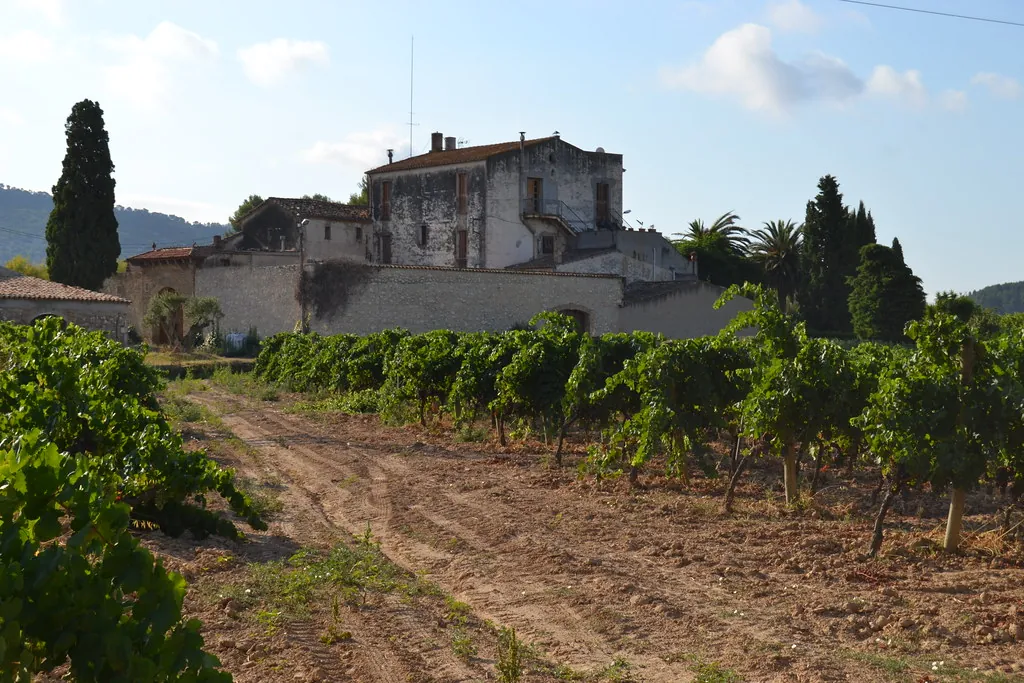
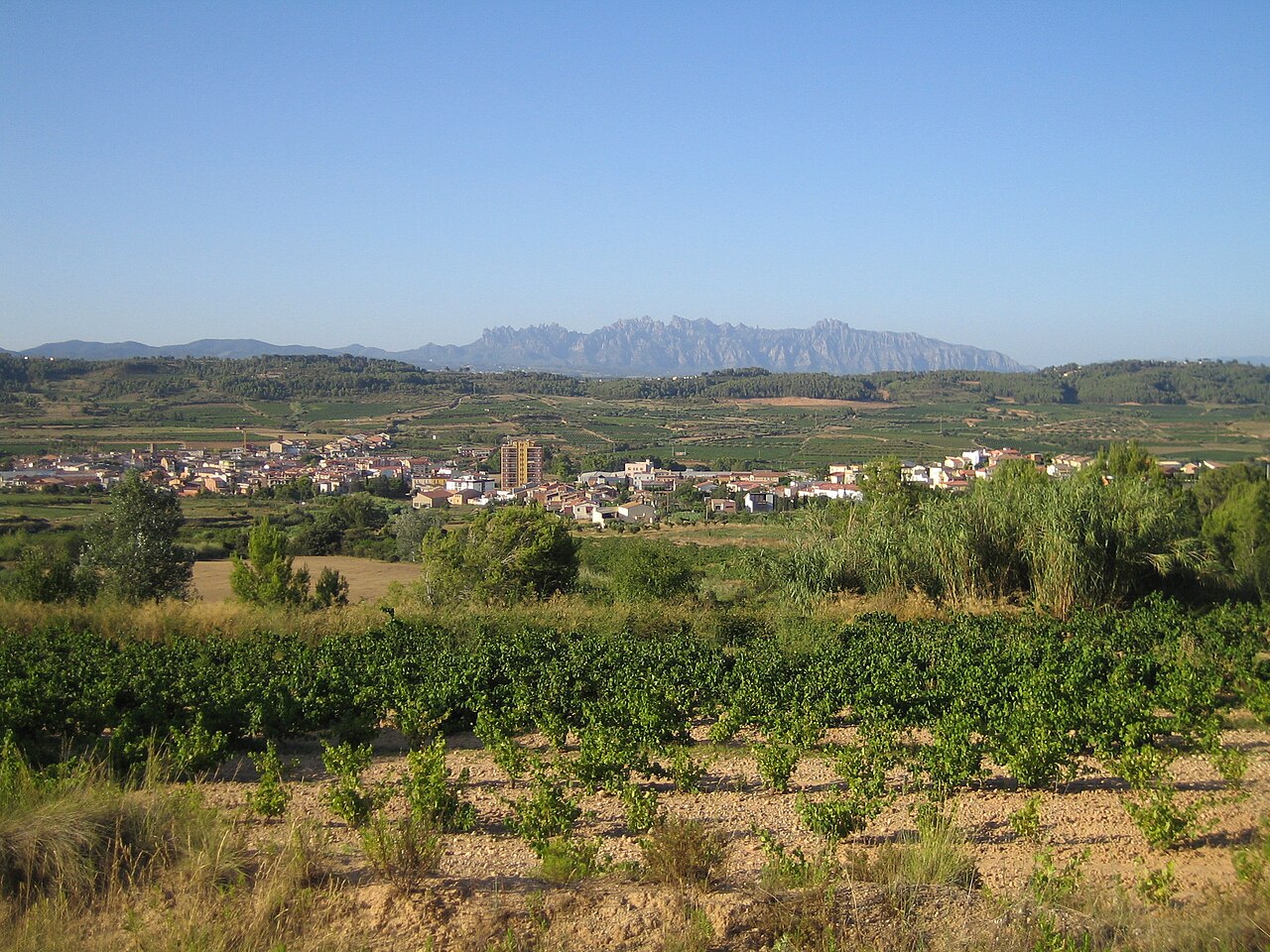
Quiet wine-growing village with a landscape of vineyards and farmhouses.
Ocultar artículo Leer artículo completo
The tractor appears at half past ten every morning. Same time, same corner by the bakery, its driver clutching a bocadillo wrapped in waxed paper. This is how days begin in Sant Llorenç d'Hortons—not with tour buses or selfie sticks, but with agricultural rhythm and the smell of diesel mixing with freshly baked pa de pagès.
At 196 metres above sea level, the village sits precisely where the Alt Penedès wine region starts to breathe. The altitude matters here. It means morning mist that burns off by eleven, revealing rows of vineyards that stripe the hillsides like corduroy. It means temperatures three degrees cooler than Barcelona, 35 kilometres away, which explains why locals keep jackets hanging on coat pegs year-round.
The Geography of Everyday Wine
The landscape functions as a working map of Catalan agriculture. Every slope faces south-east, catching dawn light that ripens xarel·lo grapes for cava production. Every masia—those stone farmhouses with arched doorways—stands exactly one kilometre from its neighbour, a medieval measurement based on oxen ploughing patterns. These aren't museum pieces. Drive along the BV-2246 and you'll see satellite dishes bolted beside 17th-century granaries, farmers WhatsApp-ing weather reports between fields.
Winter transforms the terrain completely. Between December and February, the village often sits above cloud level, creating temperature inversions that protect vines from frost. Access becomes interesting—the BV-2246 twists sharply at Km 12, where black ice forms before anywhere else. Summer reverses the equation. Heat rises from the valleys, creating afternoon breezes that wine growers call la respiración, when leaves turn silver-side-up signalling irrigation needs.
Walking trails follow dry-stone walls built during the phylloxera plague of 1894. The Camí de Can Batlle climbs 150 metres over three kilometres, ending at a viewpoint where Montserrat's serrated profile cuts the horizon. Take the turning signed "Masies disseminades"—scattered farmhouses—for a six-kilometre loop past Cal Garriga, where Ramonet sells vi ranci from his garage. Knock twice. He'll appear wiping his hands on overalls, pour thimble-glasses of oxidised wine that tastes like liquid Christmas pudding, and charge €3 for the privilege.
When the Church Bell Strikes Three
The Església de Sant Llorenç dominates precisely because everything else remains human-scale. Its bell tower, added 1783 after the original collapsed during grape harvest, rings the Angelus at noon and six. The timing isn't random—it marks when field workers traditionally broke for esmorzar and when they downed tools for supper. Inside, the font dates from 1534, though records show baptisms happening here since 1010. The priest, Mossèn Joan, unlocks the doors most afternoons around four, unless he's helping with la verema—harvest—when keys hang from a nail by the bakery.
Medieval masies surround the village like defensive outposts. Can Rossell, two kilometres north, operates as a working cava producer using méthode traditionnelle but rejecting brut nature trends—their gran reserva contains 12 grams of residual sugar, the way they insist it tasted in 1926. Visits happen Tuesday and Thursday, but email first. Maria, whose family bought the property during the Second Republic, speaks fluent English learned while au-pairing in Guildford. She'll explain why their xarel·lo vines grow on parellada rootstock, and how the Civil War stopped production for seven years when bottles became more valuable as Molotov cocktails.
Eating Between the Vines
Food here operates on agricultural time. Cal Xoc opens at 1pm for lunch, last orders 3:30pm sharp because Mercedes needs to collect her daughter from school. The menu del dia costs €14 mid-week, €18 weekends, and features whatever appeared at Mercat de Vilafranca that morning. Escalivada arrives drizzled with arbequina oil pressed three kilometres away. Botifarra negre contains cinnamon—traditional here but shocking to Catalans from Girona. They'll serve calçots between January and March, but only if weather cooperated twelve months earlier when these giant spring onions were planted.
For self-catering, the Cooperativa Agrícola sells wine in plastic bottles refilled from steel tanks. Bring your own or buy one for €1.20. The forn opens 6am-2pm, bakes coca de llardons—pastry scattered with pork crackling—every Friday. Saturday mornings see farmers stacking espigalls (broccoli rabe) beside their cars, selling by the handful because scales broke decades ago.
Evening options remain limited. El Cau does excellent patates braves but closes ten pm sharp. Bring cash—card machines fail during storms, and storms arrive suddenly when maritime clouds meet pre-coastal ranges. The bakery stocks cava for €8 bottles that outperform British supermarket offerings at twice the price, plus tortas de aceite that survive intact in hand luggage.
Getting Here, Getting Lost
Public transport requires patience and planning. Take the R4 train from Barcelona Sants to Martorell (35 minutes), then the L3 bus towards Sant Sadurní. Ask the driver for "Sant Llorenç, plaça"'—he'll drop you by the pharmacy. Buses run roughly hourly except Sundays when service becomes theoretical. Car hire remains sensible. The drive takes 40 minutes via A2 motorway, but ignore GPS suggesting C-244—it narrows to single track after Subirats where meeting a tractor means reversing 500 metres.
Accommodation means masia stays or nothing. Can Rovira offers five rooms in a 16th-century stone house, beams blackened by centuries of open fires. Expect €80-120 nightly including breakfast featuring their own mató cheese with honey. The pool sits where the era—threshing floor—once stood, its stones now lining the barbacoa area. They'll arrange cava tours with advance notice, though these involve driving between vineyards because walking distances exceed British expectations of "nearby."
Weather catches people out. Spring brings tramuntana winds that whistle through valley gaps, dropping temperatures ten degrees in twenty minutes. Pack layers even in July, when altitude means nights cool to 16°C while Barcelona swelters at 28°C. October delivers garbinada—moist sea air that creates perfect conditions for botrytis mould, essential for late-harvest vi dolç production but miserable for sightseeing.
The village won't change your life. It offers something more valuable: calibration. Between vineyard rows and bakery queues, between church bells and tractor engines, Sant Llorenç d'Hortons operates on timescales that pre-date tourism and will outlast Instagram. Bring walking shoes and patience. Leave space in your suitcase for wine that tastes of terroir rather than marketing budgets. And remember that Ramonet pours thimble-glasses because anything larger would mean you couldn't drive home safely—a practical consideration that explains everything about how this place functions, 196 metres above sea level and several centuries away from anywhere.