
Full Article
about Subirats
Large Penedès municipality with a castle and famous peaches
Hide article Read full article
A Landscape That Runs on Wine
Subirats is a bit like the relative who turns up to a family gathering carrying several bottles under each arm. Not the loudest in the room, not the one demanding attention, but once they arrive everyone notices what they have brought. In the Alt Penedès region of Cataluna, Subirats plays a similar role.
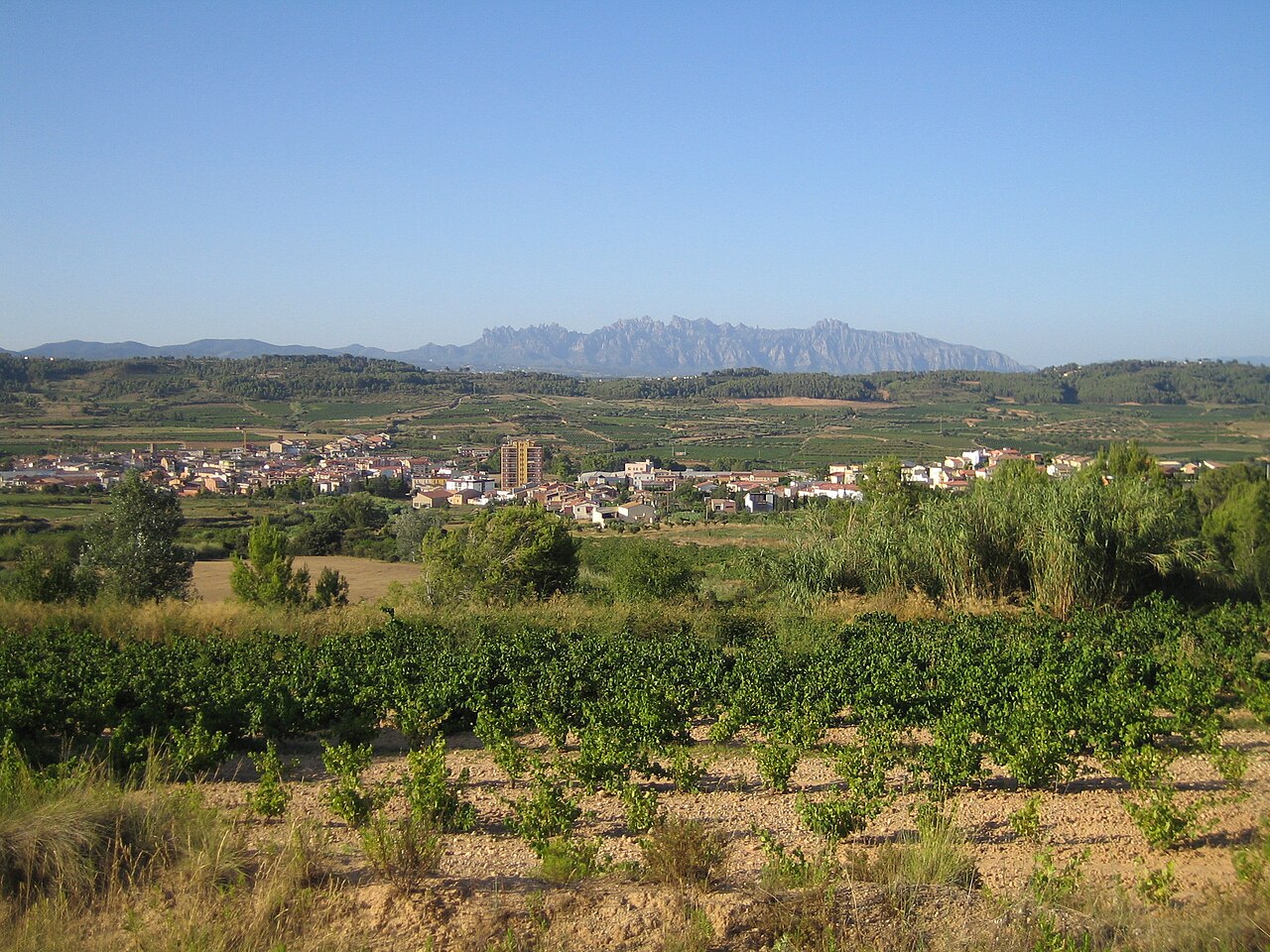
There are no grand squares lined with monumental buildings, no busy shopping streets drawing in day‑trippers. What there is, in generous supply, is vineyard. Thousands of hectares surround the municipality. In practical terms, that means vines in almost every direction. Look left, vines. Look right, more vines. Between them, the occasional peach tree, as if it joined the scene slightly later.
Wine shapes the rhythm of life here. The landscape feels organised around it, carefully tended and spread across a broad territory rather than clustered in a single compact centre. Subirats is not a town in the traditional sense, but a municipality made up of small, scattered settlements linked by agricultural tracks and quiet roads that thread through the fields.
And then there are the peaches. Alongside the vines, Subirats cultivates the melocotón de l’Ordal, a peach with protected geographical indication status that is well known in the area. Try one in season and the local pride becomes easy to understand. These are the sort of peaches best eaten leaning over a plate, unless a shirt splashed with juice is part of the plan.
The setting is so dominated by vines that even the castle appears positioned to keep watch over them.
Castell de Subirats: Ruins Above, Views Below
Perched on a hilltop, the Castell de Subirats is not a polished heritage site with tidy walkways and explanatory panels at every turn. It is a historical ruin, with stretches of exposed stone and slopes that require a bit of attention underfoot.
The climb is still worth it. The tower, around nineteen metres high, can be seen from afar and tends to spark curiosity long before reaching the base. From the top, the view over the Penedès makes sense of the whole comarca. A vast mosaic of vineyards spreads out below, interspersed with small settlements and roads that wind between fields.
Within the enclosure are the remains of a Romanesque church and the sanctuary of the Mare de Déu de la Font Santa. Documentation of the site dates back to the 10th century, when it was already mentioned in medieval donations. Over the centuries, the castle has also been linked to episodes that sound almost fictional today: denunciations for heresy, accusations of witchcraft, disputes that in the 14th century could end very badly indeed.
The atmosphere is less about polished interpretation and more about imagination. Fragments of walls, open sky and the sweep of vineyards below do much of the storytelling.
Walking and Cycling Between the Vines
Exploring Subirats on foot or by bike makes sense. This is not a place designed for a short stroll around a single historic centre. It is a wide territory, with dispersed hamlets and agricultural paths that cut through the vineyards.
One of the best‑known routes is the Ruta del Mirador. It is a long circuit, roughly fifteen kilometres, linking several elevated points from which a large part of the Alt Penedès can be seen. It often begins gently enough, then stretches further than expected, especially if a detour to the castle is added along the way.
For something more manageable, the Ruta de l’Aigua connects areas such as Lavernó with the surroundings of the castle and passes several traditional springs. This is not an epic mountain hike. It is more of an extended walk through fields, with frequent reasons to pause: a fountain, a patch of shade, an open view across the vineyards.
Time tends to slip by on these paths. A short outing can easily turn into a couple of hours, simply because the landscape keeps inviting one more turn, one more gentle rise, one more look back across the rows of vines.
The experience is shaped less by dramatic landmarks and more by continuity. Vines stretching in neat lines, farmhouses scattered at intervals, the sense that agriculture still anchors daily life.
Festa de la Verema: When Harvest Fills the Air
In a region so closely tied to wine, it was only a matter of time before the grape harvest found its own celebration. In Subirats, the Festa de la Verema usually takes place in early October, when the harvest is underway or has just finished.
This is not a vast, high‑profile festival. It has the feel of a comarca celebration: local residents, stalls, activities centred on wine and a noticeable buzz around the bodegas in the area, which tend to open more than usual during those days.
The atmosphere carries the scent of must, freshly prepared food and early autumn that still holds onto some warmth. It is the kind of setting where tasting a few more glasses than originally planned happens easily.
The enjoyment comes from moving around on foot, drifting from one spot to another and sampling small bites along the way. The focus stays firmly on the wine and the harvest that defines the region.
Subirats Without the Gloss
Subirats does not work as a tick‑box destination where everything can be seen in an hour. There is no compact old quarter with monuments lined up one after another. Visitors looking for an intense burst of landmarks may find it limited.
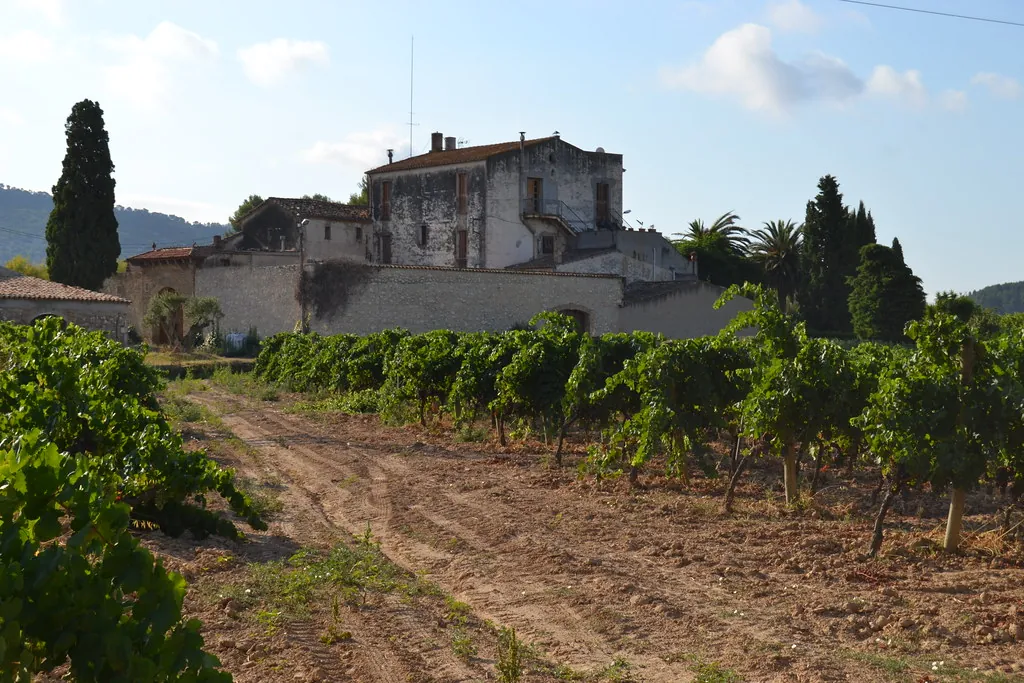
What Subirats offers instead is territory. Carefully maintained vineyards, agricultural tracks, scattered masías and small settlements where life remains closely linked to the land and to wine production.
Whether it is worth the trip depends largely on expectations. Those in search of a quick photograph to post and move on might feel it falls short. Those interested in walking among vines, understanding where Penedès wine comes from and tasting seasonal fruit at the right moment of year are likely to find it rewarding.
And if the visit coincides with the season of the melocotón de l’Ordal, it is worth trying one. After the first bite, the connection between land, fruit and pride becomes clear.