Full Article
about Torrelles de Foix
Town with the Foix sanctuary and the Dous with its springs
Ocultar artículo Leer artículo completo
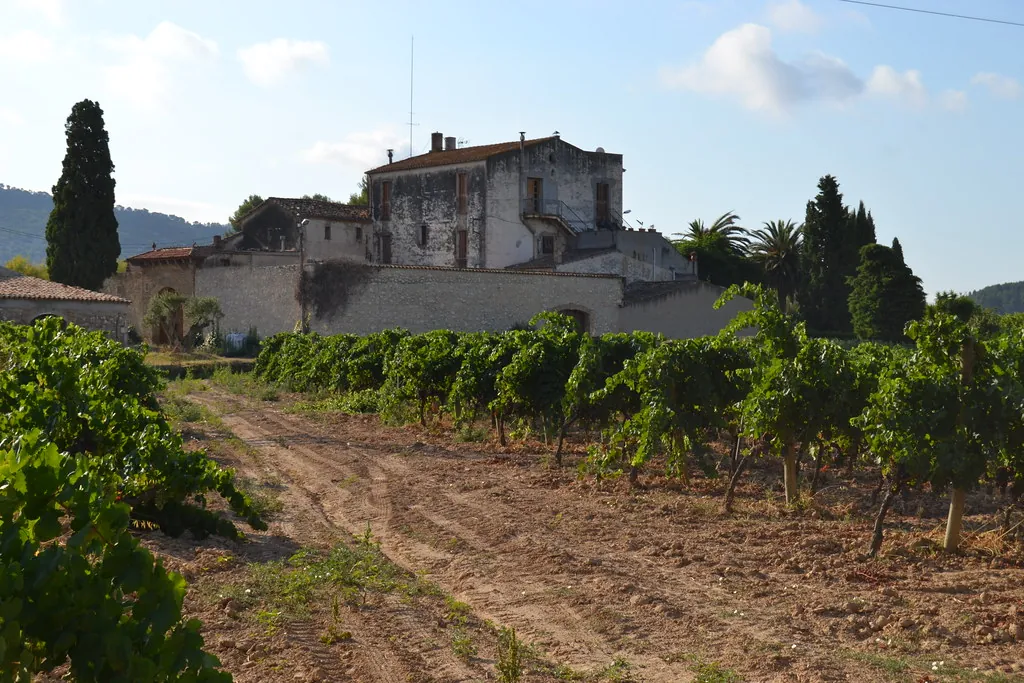
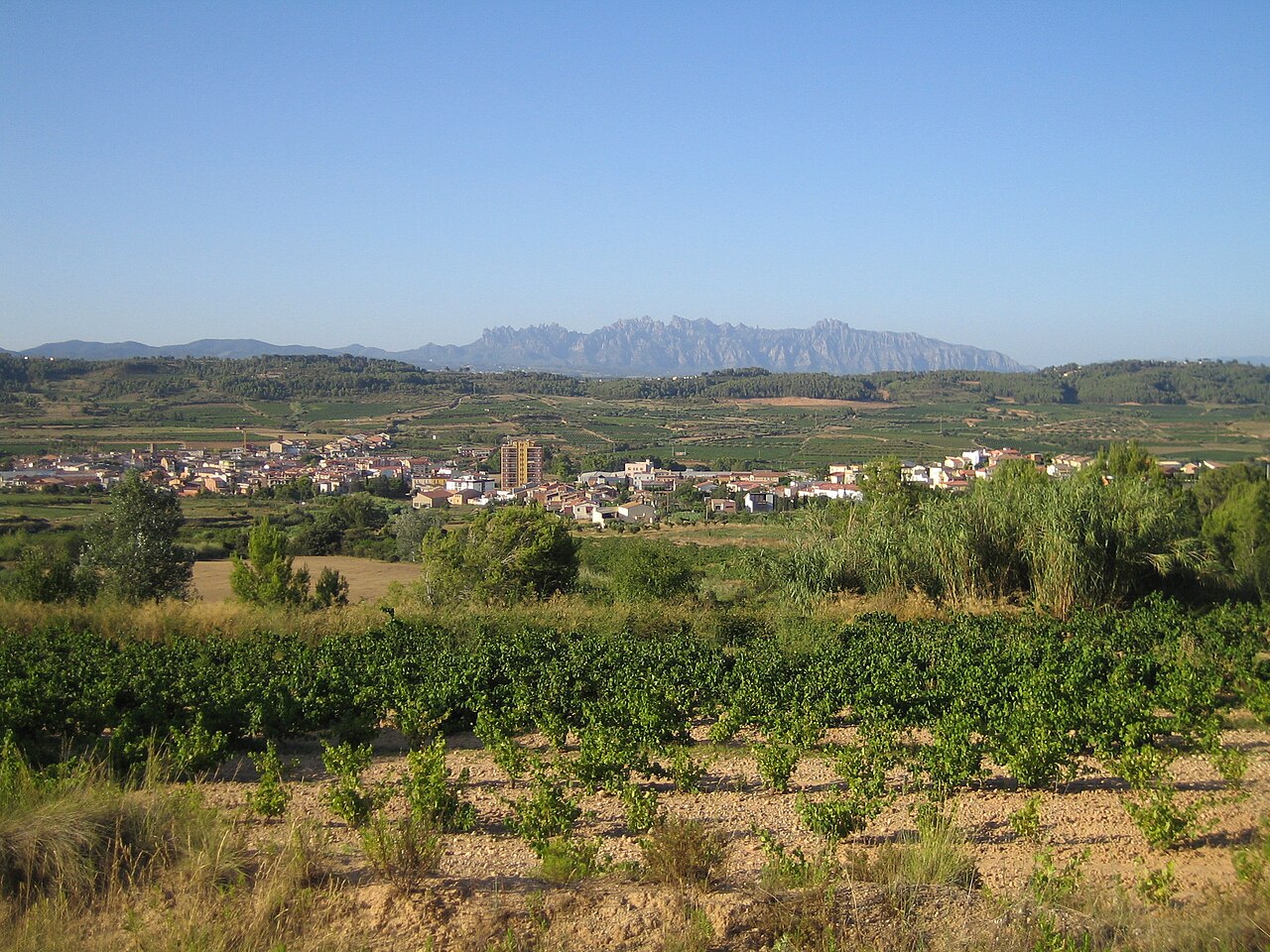
The road climbs sharply after Sant Martí Sarroca. At 367 metres, your ears pop. Then the vineyards level out into a natural amphitheatre and Torrelles de Foix appears: stone houses clustered around a honey-coloured church tower, with the ruined castle of Foix keeping watch from a higher ridge. This is not the Costa Brava, nor the Barcelona hinterland. It is somewhere in between – geographically and spiritually.
A Village that Outgrew its Walls
Barely 2,600 people live here year-round, yet the municipal boundary stretches for kilometres, swallowing up isolated farmhouses, almond groves and plots of xarel·lo vines. The compact centre can be walked in twenty minutes, but the territory feels vast once you leave the tarmac. The parish church of Sant Miquel, rebuilt piecemeal since the twelfth century, still tolls the hours for labourers working the terraces below. No one rushes. Even the village dogs nap in the single traffic lane.
Monday is a ghost day. Both bars close, the bakery pulls down its shutters and the nearest cash machine is an eight-kilometre descent to Sant Martí. Come prepared with euros and provisions, or you will be driving for lunch. Tuesday brings a flicker of life: the bakery reopens at 7 a.m., selling a Catalan cousin of the Eccles cake—coca de llardons—while stocks last. Sunday is the sweet spot: the artisan Forn de Pa d’Època fires its wood oven and visitors from Vilafranca queue for crusty loaves flecked with rosemary.
Up to the Castle, Down to the Reservoir
The castle trail starts behind the church, signed simply “Castell”. It is a 45-minute calf-warmers’ climb on a stony path that forks through pine and evergreen oak. The ruins are honest: no gift shop, no rope cordon, just waist-high walls and one intact tower you can scale at your own risk. From the top you can trace the Foix reservoir to the south-east and, on very clear winter mornings, make out a silver sliver of Mediterranean 45 kilometres away. Bring a windproof; the altitude turns a breeze into a slap.
Downhill, the reservoir marks the border with Alt Penedès and Baix Penedès. Bathing is banned, so do not pack swimwear. Instead, walk the 6-kilometre bird-watching circuit that skirts the reed beds. Herons and cormorants outnumber humans, particularly on weekdays. Cyclists favour the gently rolling track that links the dam with the hamlet of Mediona—flat enough for families, quiet enough to hear chain on sprocket.
Wine without the Coaches
Torrelles sits just outside the tourist orbit of Sant Sadurní d’Anoia, the cava capital quarter of an hour north. The difference is measurable: here tastings happen in farm kitchens by appointment, not in marble visitor centres with coach parks. Two family cellars—Catalana de Foix and Mas Bertran—open for groups of four or more if you e-mail 24 hours ahead. Expect to pay €12–15 for three glasses and a plate of fuet sausage, and to leave with mud on your shoes because the winery is also the back yard.
The local cooperative, carved into the hillside on the road out, sells young white Penedès made with sauvignon-blanc grapes that tastes closer to a Loire Sancerre than to the oaky whites many Brits associate with Spain. Fill a five-litre garraffon for €9 if you have a car boot to spare; otherwise the minimum bottle purchase is two.
Seasons in the Glass and on the Plate
Spring brings colour: first the almond blossom in late February, then the acid-green vine shoots. Temperatures hover around 15 °C—ideal for hiking—though nights still dip to 5 °C, so pack layers. Summer is hot but rarely suffocating; altitude knocks three or four degrees off the coastal plain, and the dry air cools quickly after seven. August fiestas (25th and nearest weekend) are the noisiest 48 hours of the year: brass bands, fireworks at 1 a.m., streets strewn with streamers. Book accommodation early or stay away if you crave silence.
Autumn is payoff time. The harvest starts in mid-September and the village smells of crushed grapes. locals set up temporary presses in barn doorways; tractors towing trailers of macabeo slow the already leisurely traffic. A footpath known as the Ruta de la Verema lets walkers weave between pickers for kilometre after kilometre—just keep to the edge of the row and no one minds. Winter is short, occasionally sharp: frost on the car windscreen, wood smoke in the air, and snow on the castle maybe twice a season. Roads are gritted promptly; the village has learned that even a dusting brings Barcelona day-trippers with sledges.
How to Get Here, How to Leave
Driving remains the simplest method. Leave the AP-7 at Martorell, follow the C-15 to Vilafranca, then take the TV-2121 for 12 twisting kilometres. Total time from central Barcelona: 55 minutes without traffic, 75 minutes on a Friday evening. Public transport exists but demands patience: Rodalies train to Vilafranca (38 min from Sants), then a Monday-to-Friday bus at 13:15 and 18:30 that terminates in the village square. Miss the return and a taxi costs €25. Check the Generalitat’s TM website—timetables shrink outside term time.
Leaving is harder than arriving. The silence, the night sky smeared with Milky Way, the bakery’s 7 a.m. croissant habit—all conspire against a quick getaway. Torrelles will not dazzle you with museums or Michelin stars. What it offers instead is altitude and attitude: a place where lunch starts at two, the wine is poured by the man who grew it, and the castle ruins remind you that empires come and go while the vines stay rooted.