Full Article
about Arsèguel
Known as the accordion capital; a stone village with charm and musical tradition
Hide article Read full article
Hay pueblos que te dan la bienvenida con un cartel gigante y una oficina de turismo. Arsèguel no es uno de ellos. Llegas, aparcas el coche junto a unas pocas casas de piedra, y en cinco minutos ya has captado la frecuencia del lugar. No hay lista de imprescindibles. Aquí, el turismo consiste en bajar un par de marchas y escuchar.
No vas a encontrar calles comerciales ni tiendas de souvenirs. Lo que hay es un núcleo minúsculo en el Alt Urgell —de esos que se cuentan por decenas de habitantes— donde los sonidos de la montaña mandan: el repique lejano de una campana, el motor de un tractor subiendo una cuesta, y luego otra vez silencio. A casi 1.000 metros, las vistas se abren hacia el valle del Segre y los Pirineos. No es un paisaje para la foto épica; es ese tipo de paisaje que acabas mirando más tiempo del que habías previsto.
Piedra, Calma y un Horizonte Ancho
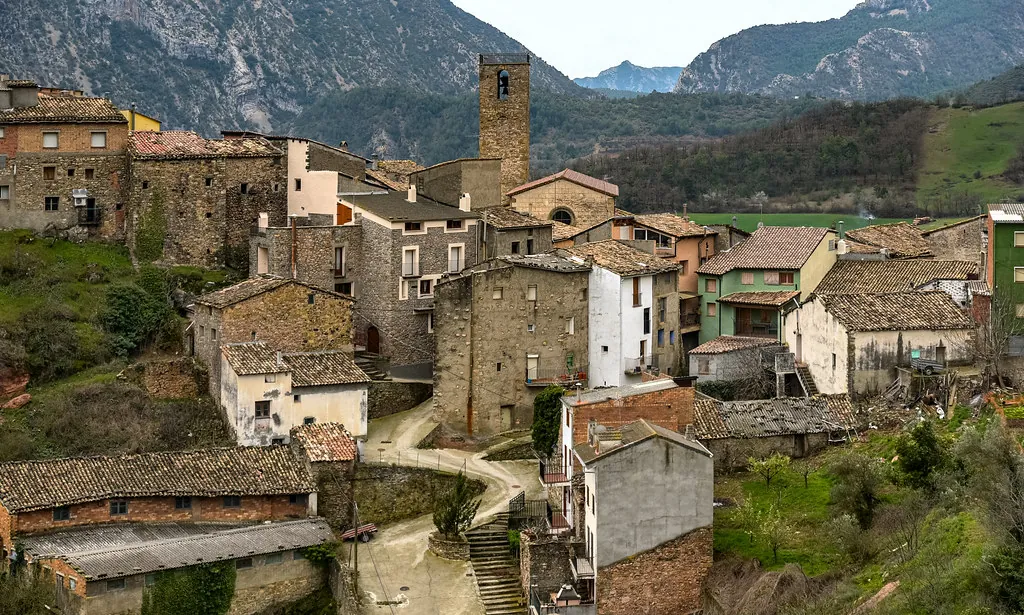
Puedes cruzar Arsèguel de parte a parte en unos minutos, pero no tiene prisa. Las calles son cortas y ligeramente empinadas, flanqueadas por casas de piedra con portones de madera maciza y balcones de hierro. Muchas tienen varios siglos a sus espaldas; se nota en el grosor de los muros y en cómo las casas se apoyan unas en otras, apiñadas contra el frío.
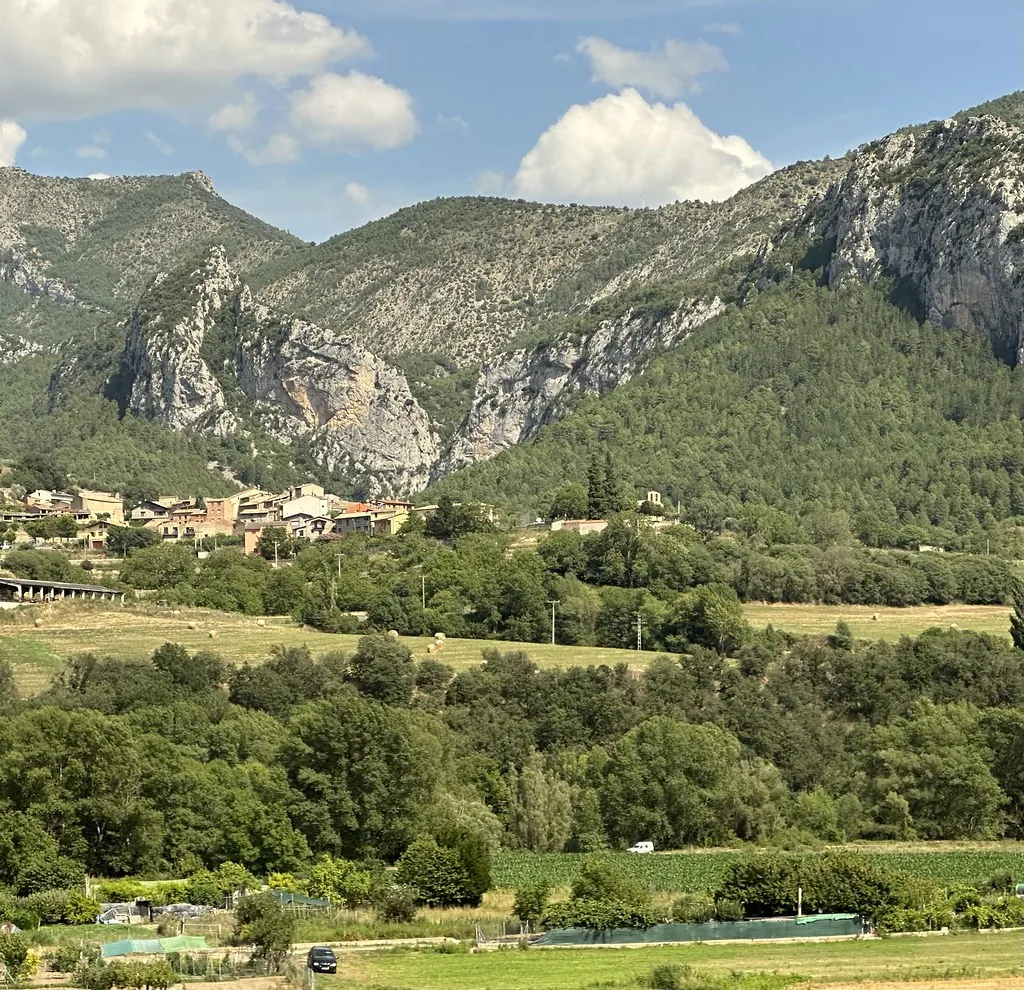
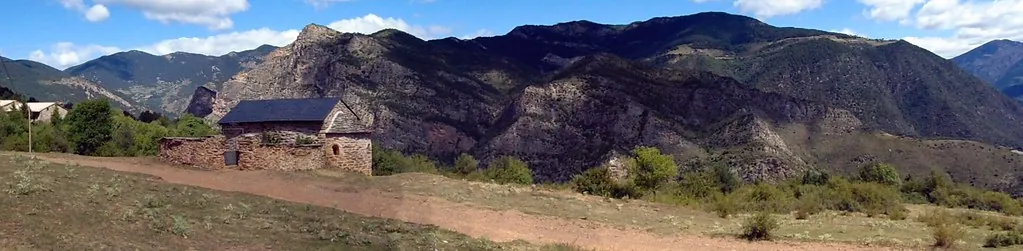
Si caminas hacia los límites del pueblo, el horizonte se despliega. Desde algunos puntos aparece el valle del Segre abajo, y tras él, la línea de montañas que separa esta parte del Alt Urgell del Pirineo más alto. No hay miradores construidos ni paneles informativos. El paisaje simplemente asoma entre las casas.
Fuera de julio y agosto, el silencio aquí es real. Solo lo rompen las campanas o algún coche que atraviesa el pueblo. Alrededor, los campos y prados siguen trabajándose. La ganadería sigue activa por la zona, así que no es raro encontrarte con rodadas de tractor en los caminos o un rebaño moviéndose lentamente por la ladera.
Sant Sadurní y la Vida Cotidiana
El edificio más reconocible es la iglesia parroquial de Sant Sadurní. Tiene origen románico, aunque como pasa con muchas iglesias rurales, ha ido cambiando con el tiempo. El interior es sobrio y funcional antes que monumental, lo cual encaja con el carácter del lugar.
Más que hacer “turismo”, lo que funciona aquí es pasear por el núcleo antiguo y después acercarte a los bordes del pueblo. Con dos o tres calles ya tienes una idea clara de cómo se ha vivido aquí durante generaciones: casas compactas, patios interiores y muros gruesos para aguantar inviernos largos hablan sin aspavientos de continuidad.
Desde las afueras salen caminos y pistas hacia bosques cercanos y prados. Algunos están señalizados; otros son simplemente rutas tradicionales que se usan desde siempre. Si te apetece andar, en pocos minutos has dejado atrás las últimas casas y estás rodeado solo de campo abierto.
Rutas Suaves Sin Dramatismos
Los alrededores de Arsèguel invitan a caminar sin convertirlo en una expedición. Hay senderos tradicionales que conectan este pueblo con otros núcleos pequeños o con masías donde la ganadería sigue siendo parte del día a día. No son rutas espectaculares de alta montaña; son paseos constantes, con subidas graduales y tramos boscosos donde el ritmo se frena solo.
Algunos ciclistas aprovechan también las carreteras secundarias que cruzan el Alt Urgell. El tráfico suele ser escaso, pero las vías requieren atención: curvas cerradas, tramos estrechos y desniveles acumulados definen esta parte del Pirineo. Es un terreno que premia más la paciencia que la velocidad.
Si planeas parar para comer o hacer una pausa larga, conviene organizarse un poco. En un pueblo con menos de cien habitantes los servicios son limitados y no siempre hay establecimientos abiertos. Es habitual ir a alguna localidad cercana para una comida tranquila. Por toda la comarca encuentras productos locales fácilmente: embutidos curados, quesos añejados y una cocina contundente que refleja directamente el clima y el paisaje.
Tradiciones Que Siguen Siendo Del Pueblo
Como en muchos pueblos pirenaicos, la celebración principal del año gira alrededor del patrón Sant Sadurní. La festa major suele incluir misa, encuentros entre vecinos y momentos más animados cuando vuelven familiares que viven fuera. El verano cambia ligeramente el ambiente: se abren segundas residencias, hay más movimiento por las calles y las conversaciones se alargan hasta la noche. El pueblo no llega a saturarse, pero se nota la diferencia. Aun así, Arsèguel funciona primero como un lugar habitado, no como un destino diseñado para visitantes. Las rutinas cotidianas pesan más que cualquier calendario pensado para el turismo.
Cómo Llegar Hasta Allí
La forma más directa para llegar a Arsèguel es por carretera desde La Seu d’Urgell, que queda relativamente cerca. Desde allí, una carretera local se desvía y empieza a subir casi al momento. El trayecto es corto, con curvas y tramos estrechos típicos de esta zona del Pirineo. Merece la pena hacerlo con luz natural. No porque sea especialmente complicado, sino porque durante la ascensión ya vas recibiendo pistas de hacia dónde vas: cuando el pueblo aparece recortado en la ladera, con las montañas detrás, el carácter de Arsèguel queda claro incluso antes de bajar del coche.
Al final, visitar Arsèguel tiene menos que ver con hacer cosas y más con estar presente. La escala es pequeña, el ritmo pausado y el paisaje siempre está cerca. Para quien esté dispuesto a sintonizar con esa frecuencia, el pueblo se explica solo; no necesita presentación