Full Article
about Josa i Tuixén
Mountain villages in the Vansa valley; tradition of the trementinaires and Nordic skiing
Hide article Read full article
A mountain municipality shaped by altitude
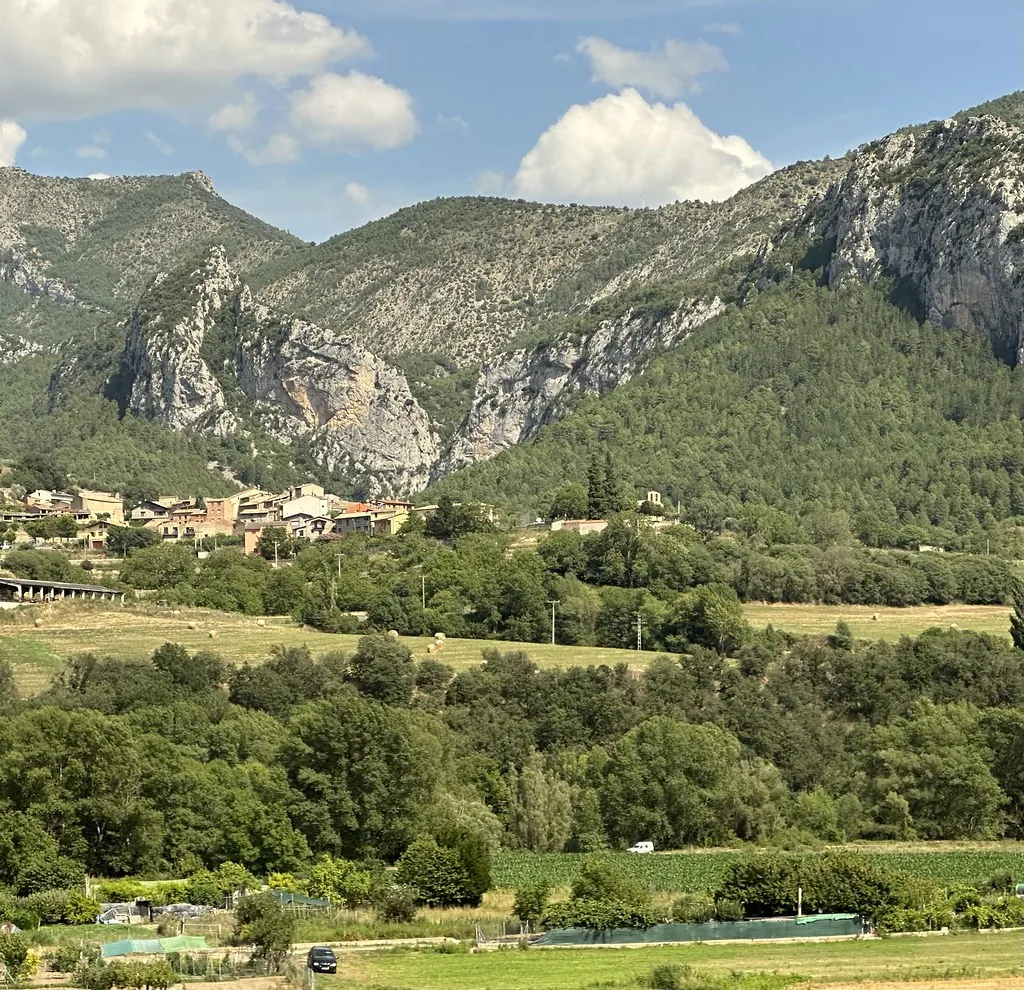
On the southern slopes of the Catalan Pre-Pyrenees, in the comarca of Alt Urgell, the municipality of Josa i Tuixén sits against the southern flank of the Cadí range. At just over 1,200 metres above sea level, the mountains are not a distant backdrop but a defining presence. Winters tend to be long, summers short, and the organisation of the land has long depended on livestock and small-scale mountain farming.
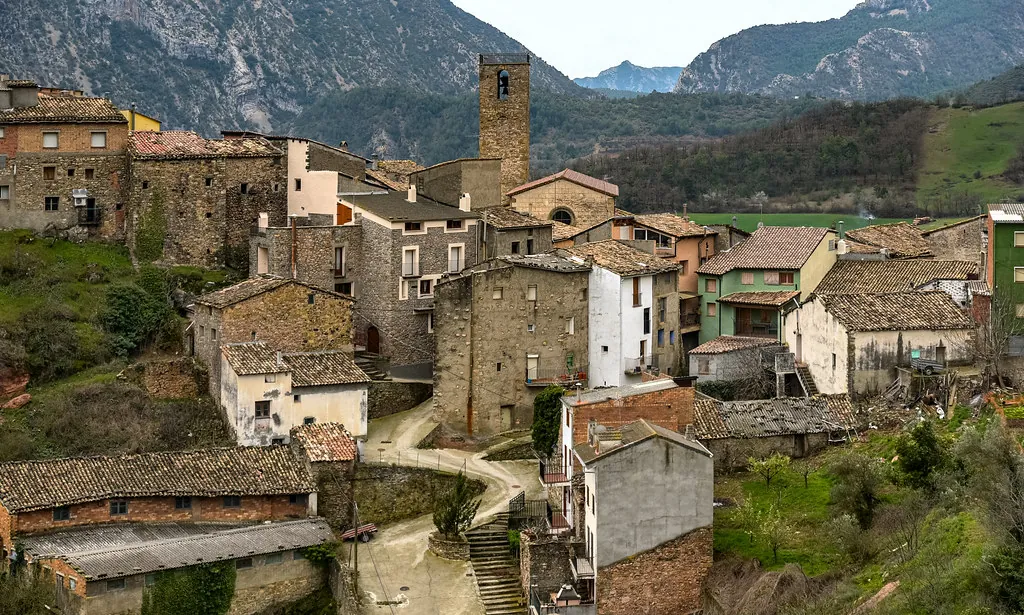
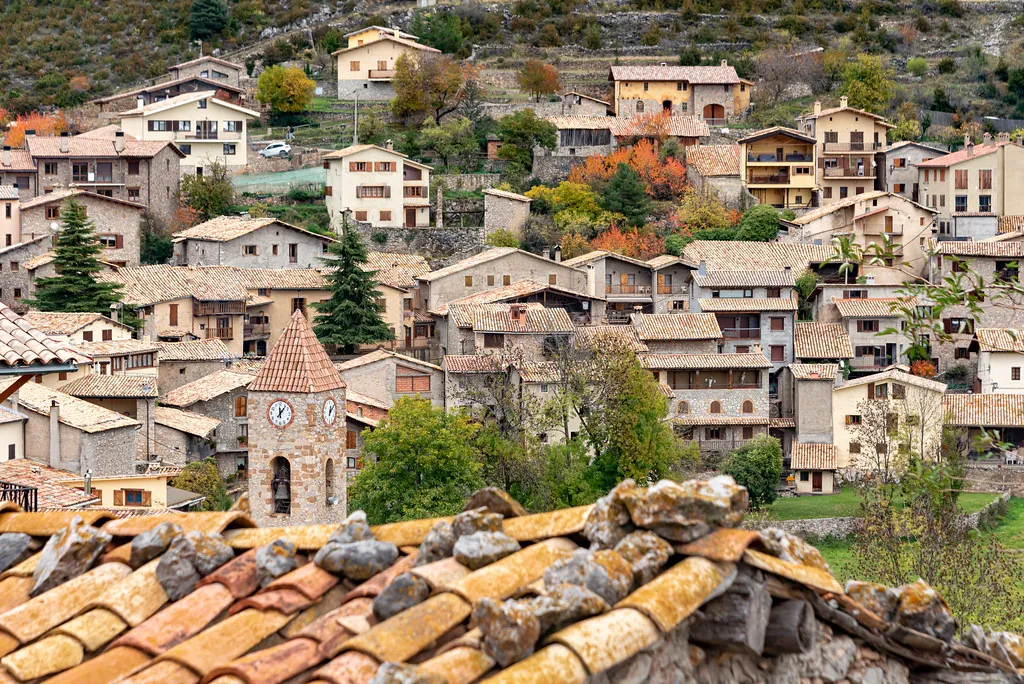
The municipality brings together several small settlements, including Josa de Cadí, Tuixén and Abarset. This dispersed pattern is typical of the Pre-Pyrenees, where geography shapes how communities develop. Stone houses with slate roofs and narrow lanes are not decorative choices but practical responses to steep terrain and a demanding climate.
In Josa, the church of Sant Pere has Romanesque origins, though it was altered in later centuries. Its exact form matters less than its position, set prominently within the village. In places like this, the church often served as a visual anchor for the surrounding valley as much as a religious building.
The ever-present Cadí
Life here is oriented towards the Cadí range. From the streets of Josa or Tuixén, the mountain feels close, its limestone wall shifting in tone depending on the season and the light. In winter it is often snow-covered for weeks at a time. In autumn, the forests at its base turn shades of ochre and red before the leaves fall.
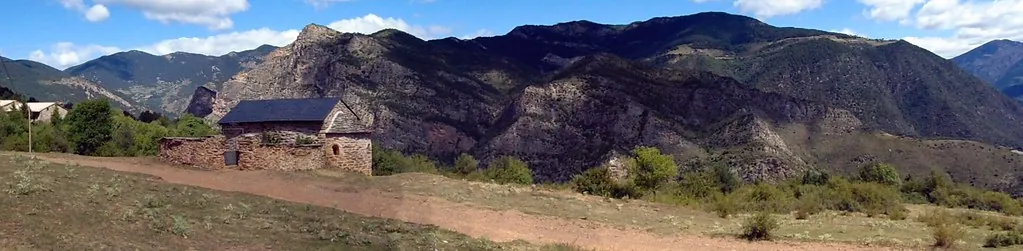
The surrounding landscape alternates between pastureland and stands of pine and fir. Remnants of older ways of life are still visible: animal enclosures, stone huts known as bordas, and paths once used for moving livestock between seasonal grazing areas. These traces point to the importance of small-scale transhumance in this part of the Pyrenees.
Paths linking villages and passes
Several walking routes begin within the municipality, connecting the different settlements or climbing towards nearby mountain passes in the Cadí. Some follow routes that have been used for centuries to move between valleys.
The level of difficulty varies. There are shorter walks that require little preparation, alongside others with more demanding changes in elevation. Signage can be uneven in places, so it is wise not to rely on it entirely. Carrying a map or a GPS track is often useful, especially when fog rolls in at higher altitudes.
Winter snow and autumn mushrooms
During winter, part of local activity is tied to the nearby Port del Comte ski station, reached via a mountain road a few kilometres away. It is relatively small compared with other ski areas in the Pyrenees and tends to appeal to those looking for a quieter day on the slopes.
Once summer ends, the surrounding forests attract mushroom foragers. Boletus and other species typical of mountain pine woods are commonly collected. As in any mushroom-rich area, it is important to know what is being picked and to follow any seasonal regulations that may apply.
Wildlife and the rhythm of village life
Birds of prey are a regular sight, riding the air currents that rise from the valley. At dawn or dusk, roe deer may appear in meadows near the forest edge, though sightings depend on the time of year and how quietly one moves through the landscape.
With a population of just over a hundred people, community life becomes most visible in summer. The Festa Major, usually held in August, brings together both year-round residents and families who return for a few days. Music, shared meals and dancing in the square continue into the evening.
At the end of June, around the festival of Sant Joan, bonfires are lit in line with a tradition found across many Pyrenean regions. Throughout the rest of the year, the religious calendar still shapes smaller gatherings and local celebrations.
A place best explored slowly
Josa i Tuixén is compact and easy to walk around, yet much of what defines it lies beyond the built-up areas. Old paths, high pastures and constant views towards the Cadí form the real landscape of the municipality. Exploring the wider area generally requires a car, and the mountain roads are narrow and winding, particularly in winter.
This is a place where geography dictates rhythm, where the mountains set the terms and the settlements adapt accordingly.