Full Article
about La Seu d'Urgell
County capital and bishopric seat; unique Romanesque cathedral and Olympic park
Hide article Read full article
La Seu d'Urgell: un pueblo con dos almas
La Seu d'Urgell es como ese amigo que es igual de bueno escalando una vía ferrata que explicándote los detalles de un capitel románico. No es el típico pueblo de montaña que solo vive del esquí. Aquí, el rumor constante es el del río Segre, no el de las multitudes. Llegas y lo primero que ves son las aguas bravas del canal olímpico, con piragüistas haciendo eslalon, y justo detrás, la silueta sólida y antigua de la catedral de Santa María. Es un contraste que define el lugar: la adrenalina del '92 y la piedra del siglo XII compartiendo valle.
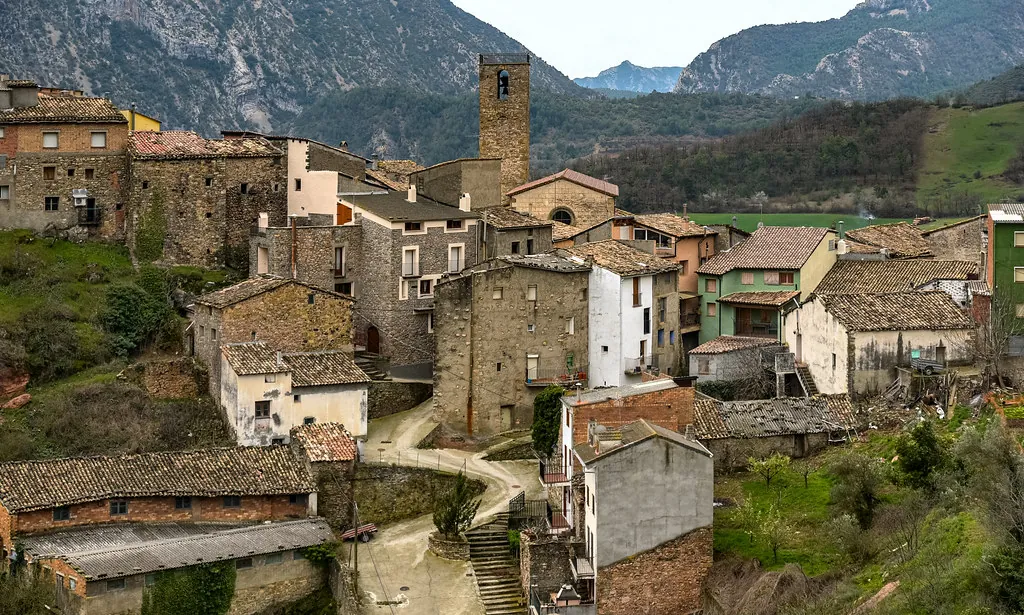
¿Es bonito? Tiene una plaza mayor porticada donde da gusto sentarse, un casco histórico compacto y esas calles que huelen a leña en invierno. Pero su gracia está en lo que tiene alrededor. Es la última ciudad antes de Andorra, la capital de una comarca ancha, y se nota en el ambiente. Hay más buzos de montaña que turistas con selfie stick.
Un terreno para jugar (en serio)
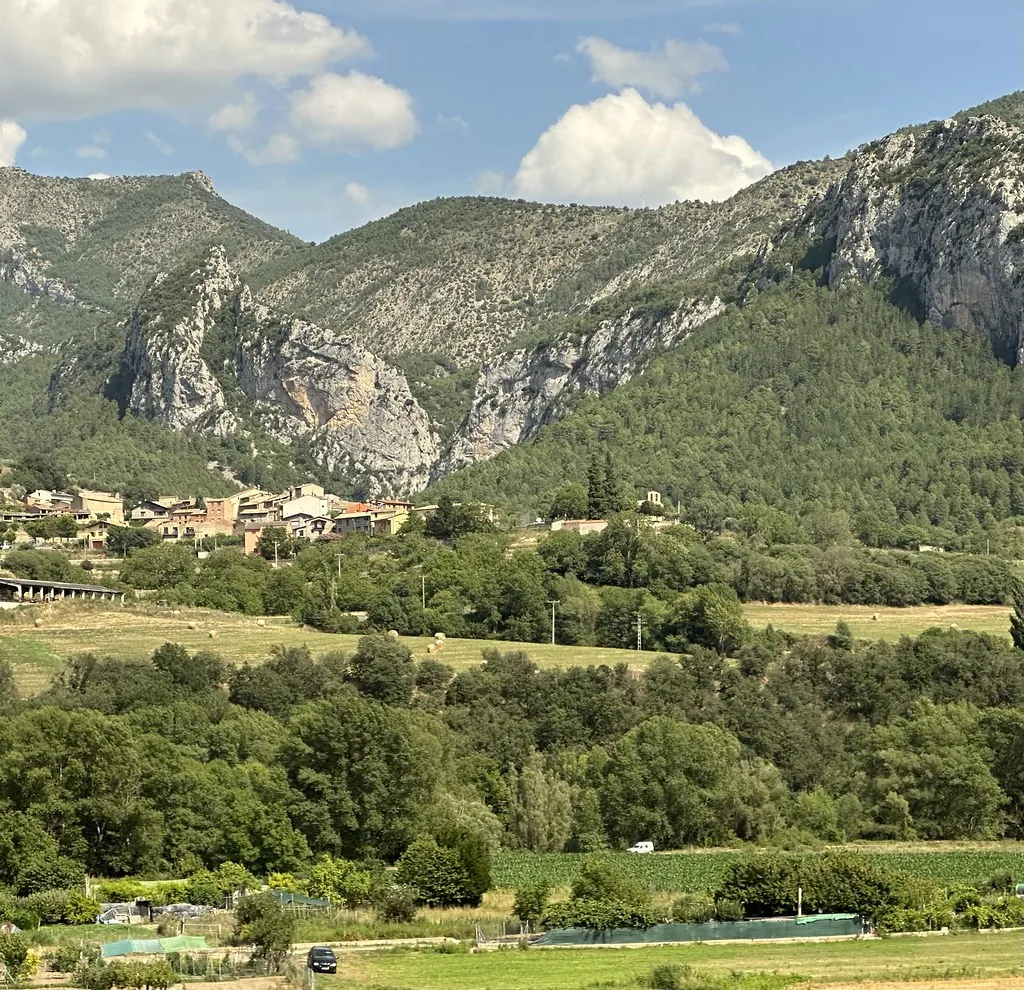
Esto no es un destino para ver desde el coche. La geografía lo manda todo. Te encuentras en un valle alto, rodeado por las sierras del Cadí-Moixeró, con picos que pasan de los 2.500 metros. El río Segre no es decorativo; es la autopista local para deportes de agua. El canal olímpico sigue activo, y ver a los entrenamientos desde el puente es uno de esos planes gratuitos y genuinos que tienes aquí.
Para caminar, las opciones salen casi desde la puerta de casa. Una ruta clásica y sencilla lleva hasta las ruinas del Castell de Ciutat. Son unos 5 kilómetros ida y vuelta, con una cuesta razonable y una vista panorámica sobre el pueblo que merece el esfuerzo. Si buscas algo más serio, las puertas del Parque Natural del Cadí-Moixeró están a un corto trayecto en coche. Allí las rutas ya son otra cosa: senderos pedregosos, bosques de hayas y desniveles considerables. No te lances sin mapa, agua y calzado adecuado.
Y luego está la vía ferrata dels Gorgs, a unos 15 minutos en coche. Es ese tipo de actividad que parece extrema pero que, con un equipo básico alquilado en el pueblo, puede hacer cualquiera con una forma física normal. Te sube por unas gargantas calizas impresionantes, con clavijas y cables para asegurarte. Sales sintiéndote un poco héroe, sin haber necesitado ser escalador.
Cómo moverse y no morir en el intento
El consejo principal: necesitas coche. Los autobuses te dejan en el centro, pero para llegar a los inicios de sendero o a los miradores decentes, no hay alternativa viable. Alquila algo con buen cambio de marchas; las carreteras comarcales son sinuosas y empinadas.
En cuanto al equipamiento, olvídate de las zapatillas deportivas básicas si vas a pisar montaña. El terreno es traicionero: piedra suelta, raíces, zonas húmedas. Unas botas de trekking con buen agarre son obligatorias. Lleva siempre capas: aquí puede hacer sol abrasador a mediodía y refrescar bruscamente al atardecer, sobre todo si subes altura. Una mochila con agua (más de la que crees), algo para picar y un cortavientos ligero te salvarán más de un día.
Para dormir hay variedad: desde pensiones familiares hasta algún hotel moderno cerca del canal olímico. Lo más interesante suele estar en el casco antiguo. Comer bien es fácil; busca los platos de cuchara como el trinxat (una masa reconfortante de patata y col) o cualquier cosa con embutido de la zona. Los martedes hay mercado semanal junto a la catedral; es buen momento para comprar queso o pan para tus excursiones.
La mejor época depende de lo que busques: verano para deportes acuáticos (pero reserva con antelación), primavera y otoño para senderismo sin agobios térmicos.El invierno puede ser duro pero hermoso; muchas rutas altas se cierran.
Al final, La Seu funciona como una base honesta.Es un sitio donde después de un día sudando en un sendero o mojándote en el río,vuelves,parkeas sin drama,y te tomas una cerveza en un bar donde charlan tanto del tiempo como del último descenso en kayak.No te va a cambiar la vida,pero te dejará los músculos cansados y la sensación de haber estado donde pasa algo más que turismo