Full Article
about La Vansa i Fórnols
Isolated, well-preserved valley; traditional architecture and nature
Hide article Read full article
La Vansa i Fórnols: aparcar, andar y poco más
Deja el coche donde puedas. Los pueblos de La Vansa i Fórnols son minúsculos. Las calles también. Aparca en la entrada del núcleo o en un ensanche cualquiera de la carretera. Si llegas tarde, da una vuelta hasta encontrar hueco. En verano conviene madrugar; a media mañana ya se nota el movimiento.
No es un solo pueblo. El municipio son varios núcleos desperdigados por el valle: Fórnols, Noves, Castellvell. Una carretera estrecha y tranquila los une. Conduces despacio por necesidad, no por romanticismo.
Entre ellos hay minutos en coche. Andando es otra historia. Las distancias engañan por las cuestas constantes.
No busques avenidas ni paseos marítimos. Son calles rurales de verdad, algunas tan estrechas que un coche apenas cabe.
Lo que ves es lo que hay
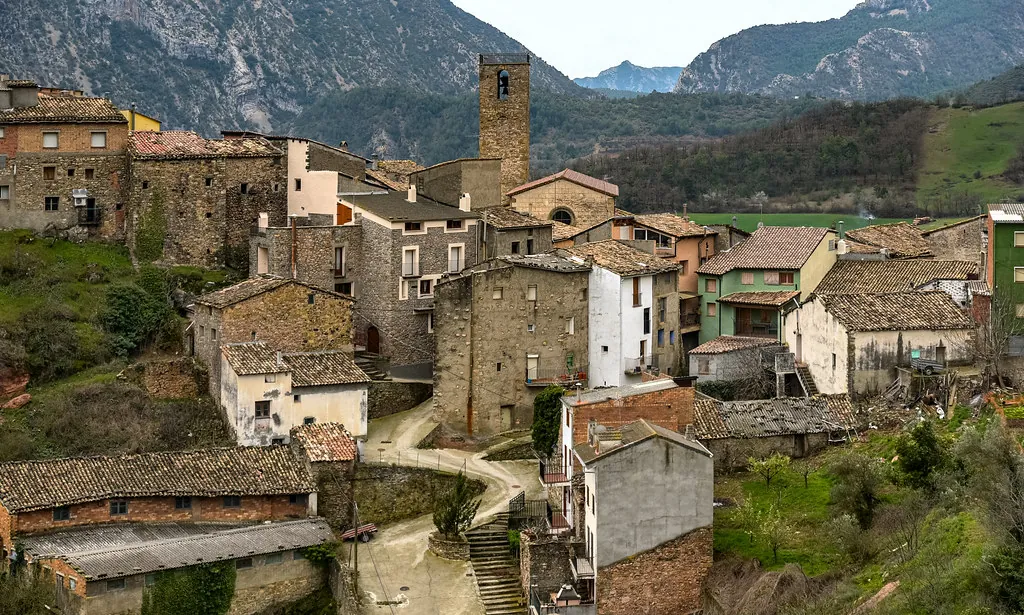
La arquitectura es la de siempre en estas montañas: piedra, madera y tejados a dos aguas para la nieve. Muchas casas son segundas residencias, pero vive gente todo el año.
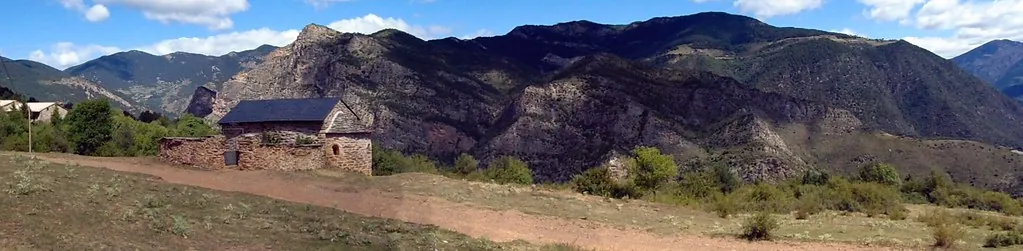
En Fórnols está la iglesia de Sant Pere al entrar. Es sencilla: piedra vista, una espadaña pequeña, nada de ornamentos. Desde la plaza ante ella se ve el valle del río Vansa abajo.
En otros núcleos hay detalles: hornos comunales de pan, portales de madera viejos, construcciones agrarias modestas. No es un conjunto monumental con grandes atracciones. Son pueblos que han cambiado poco.
Esa continuidad define la visita. No hay centros de interpretación ni paneles informativos grandes. El interés está en el paisaje humano ordinario, en cómo los pueblos se pegan a la ladera y las calles siguen la línea del terreno.
Andar por el valle
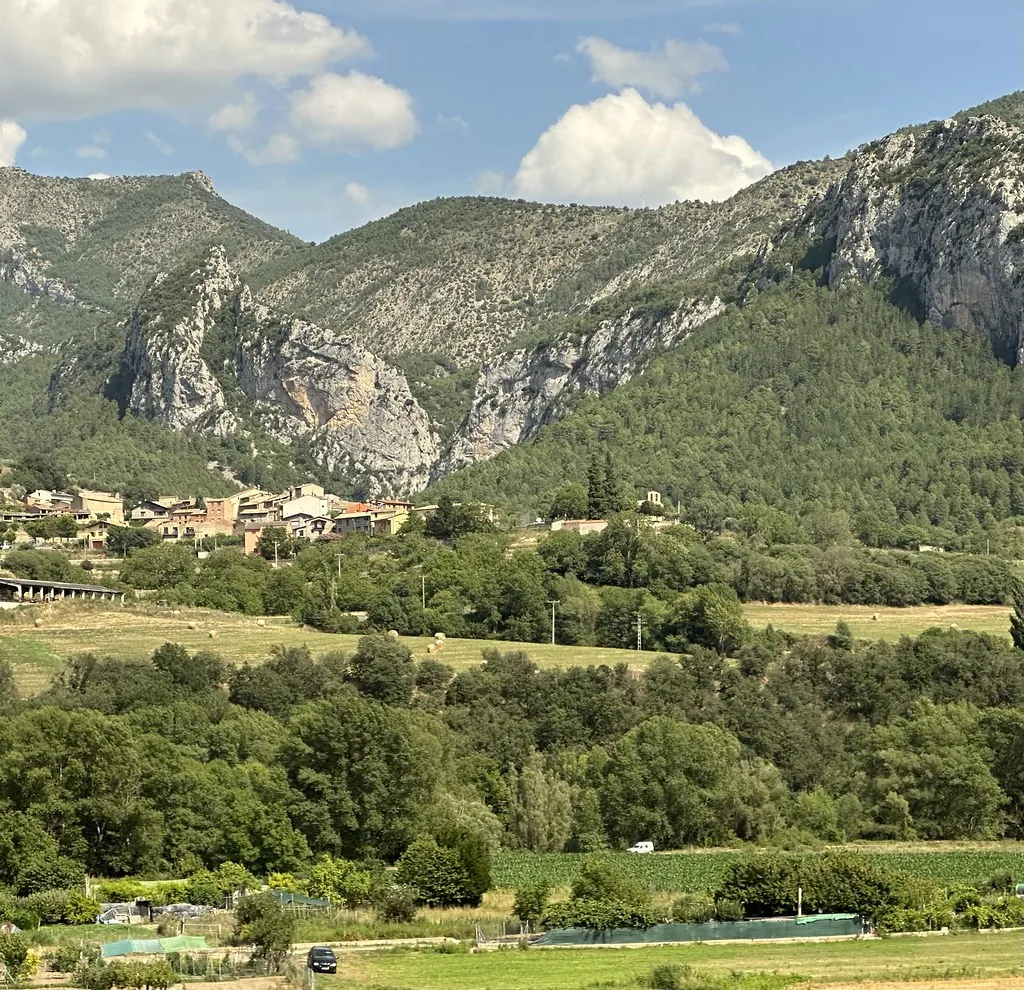
Aquí el paisaje pesa más que cualquier edificio. El valle tiene bosque mixto -pino y roble- con prados entre los árboles.
Los senderos conectan los núcleos y los collados cercanos. Algunos están señalizados, otros no tanto. Si planeas rutas largas lleva mapa o GPS; las cruces no siempre son obvias.
Un punto alto es Serrat Gros. Desde arriba se entiende la forma del valle.En verano pasan excursionistas conocedores de la comarca.El resto del año reina mucha calma.
Al atardecer puedes ver fauna si tienes suerte: jabalíes al borde del bosque o aves rapaces sobre los claros.No hay observatorios ni hides.Lo que veas depende de tu paciencia y quietud,más que de instalaciones preparadas
Andar aquí no consiste en tachar hitos.Significa moverte por un paisaje rural vivo.La mezcla de bosque y pasto cambia con la luz del día.Las rutas cortas entre pueblos se hacen largas por las pendientes
Nieve e invierno
Cuando nieva,a veces usan las partes altas para raquetas o esquí nórdico.No hay pistas ni instalaciones construidas.Antes de subir conviene comprobar el estado de las pistas forestales
La comida local viene directamente de estos montes.Embutidos curados,setas en otoño,caza cuando toca.También hacen quesos con leche cruda.El queso Serrat Gros sale a menudo cuando hablan de esta zona
La cocina refleja una economía montañesa basada en lo disponible más que en modas.Los ingredientes dependen del mes y la altitud.Otoño trae setras.Invierno gira alrededor embutidos conservados.Es una cocina directa arraigada al terreno
Fiestas ritmo vida
Las fiestassiguen un calendario parecido al resto d e pueblos pirineicos La festa mayor suele ser agosto gira alrededor eventos comunitarios simples También hay romerías celebraciones religios asque varían según nucleo
La Vansa i Fornols no gira alrededor turismo Eso queda claro rápido Los servicios son limitados La vida diaria sigue su propio ritmo independiente d e visitantes
Para quien viaja eso significa ajustar expectativas Este sitio requiere tiempo voluntad para andar El atractivo está n propio valle n os pueblos modest os d e Fornols Nov s Castellvell n l acarreter tranquila q ue l os une
Quien busq ue actividad constante servicios cada esquina preferirá otro vall cercano Aquí e ritmo s mas lentoy enfoqu sigue siendo paisaj arquitectur pequeñ escala rutinas estacional La Vans Fornol ofrec espacio espectáculoy un rincón Cataluñ donde l asmontañ marcan horari