Full Article
about Calaf
Capital of Alta Segarra, known for its traditional market and harsh winter climate
Ocultar artículo Leer artículo completo
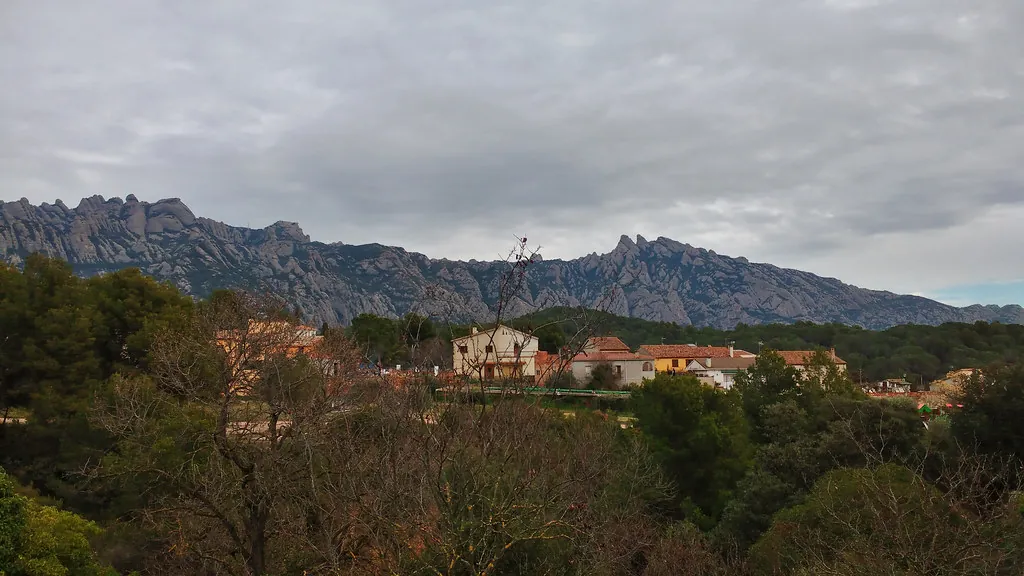
At 680 m above the Catalan Central Depression, Calaf’s high street sits level with the cloud base more mornings than not. Dawn mist rolls off the surrounding cereal fields, wraps around the fourteenth-century Portal de Sant Jaume, and thins just enough to reveal the eighteenth-century bell-tower that still doubles as the village clock. By nine o’clock the sun has burned through, the thermometer jumps ten degrees in half an hour, and the only traffic jam is a farmer manoeuvring a trailer of hay bales past the cashpoint.
That altitude matters. Summer days are hot but nights drop to 16 °C, so you can sleep without the air-con that coastal rentals insist on charging extra for. In winter the place can be two or three degrees colder than Barcelona, and when the tramuntana wind arrives the 9 a.m. thermometer may read minus one. Snow is rare but not impossible; if it does settle, the R4 train from Barcelona still runs, albeit thirty minutes late.
A Square That Still Works for a Living
Plaça Gran looks like dozens of others across inland Catalonia: arcaded on three sides, granite cobbles, metal benches painted municipal green. What makes it unusual is noise. From Monday to Friday you’ll share it with perhaps six pensioners and a dog. On Saturday morning the decibel count trebles as the weekly market spreads across every spare metre. Stalls sell razor clams from the Ebro Delta, underwear three pairs for a tenner, and onions still wearing their soil. The butchers shout prices in Catalan so fast even Spanish visitors look lost; hand over a €20 note and you’ll get change flung back in small coins. By 1 p.m. the iron grills come down, the bread van drives off, and the square reverts to its weekday hush.
If you need supplies after lunch, forget it. The single supermarket shutters at 14:00 and reopens at 17:30, by which time most day-trippers have motored on towards Lleida. The workaround is the garage shop on the C-25 bypass—overpriced, open all day, and the only place in the municipality that stocks British teabags.
Stone, Brick and a Castle You Can’t Enter
Calaf’s medieval core is small enough to circle in twenty minutes, but worth longer if you keep your eyes up. The Portal de Sant Jaume is the obvious photo stop: a Gothic arch broad enough for a cart, flanked by a Romanesque window someone bricked up centuries ago. Walk through and you’re on Carrer Major, barely three metres wide, where stone mansions hide behind studded doors and the smell of yeast drifts from Forn de Pa Paquita. The bakery opens at 6 a.m.; by 10 the ensaïmadas are gone.
Halfway up, the sixteenth-century Casal de Calaf sports carved angels above its first-floor balcony. The town council meets inside, so unless you fancy sitting through a planning committee you’ll have to content yourself with the façade. Locals claim the building inspired the town hall in Disney’s Cinderella. It didn’t, but the guide on the tourist board website still repeats the tale—proof that even Calaf can succumb to marketing fluff.
At the top of the hill stands the parish church, Santa Maria, rebuilt after an earthquake in 1428. The interior is neoclassical rather than Romanesque, all pastel plaster and gilt altarpieces. The door is supposed to stay open daylight hours, yet half the time you’ll find it locked. Ring the bell by the sacristy and the sacristan may appear; otherwise content yourself with the stepped bell-tower viewable from the square. Beyond the church the lane peters out into vegetable gardens and, finally, the cemetery where Catalan surnames dating back to the Napoleonic Wars fade on limestone slabs.
Walking Without the Pyrenees Crowds
Calaf sits on the GR-7 long-distance footpath, but you don’t need boots to escape the houses. A fifteen-minute stroll up Carrer de la Creu leads to the Fonts de Calaf circuit, a 2 km loop through holm-oak scrub to two stone troughs where women washed clothes a century ago. Blue-topped posts mark the route; if you miss one, you’re probably on somebody’s private drive. Spring brings poppies and the sound of cuckoos; in October the wheat stubble glows amber and you can pick wild fennel to chew on the way back.
Serious hikers can follow farm tracks north-east towards Sant Martí Sesgueioles, an easy 10 km out-and-back that gains only 150 m. The reward is a cold beer at the only bar in Sant Martí, open (in theory) at weekends. Take water: the landscape looks gentle but shade is non-existent and summer temperatures touch 34 °C.
What to Eat When Everything is Shut
Calan dining is built around the tractor driver’s timetable: hearty, quick and finished by 4 p.m. Café-Restaurant Fonda on Carrer Major still serves a three-course menú del dia for €14, bread and wine included. Expect roast chicken with chips, or lentils stewed with botifarra sausage—closer to British pub grub than to foam-and-smoke Barcelona cuisine. They’ll produce an English menu if you ask, though translations run through Google Translate and back.
Evening choice is limited to two bars and a pizzeria that opens when the owner feels like it. If self-catering, hit the Saturday market for vegetables and the carnisseria opposite the church for xoriço that tastes of paprika rather than preservatives. Calaf sits just outside the Penedès wine belt, but local cooperatives sell young red tempranillo at €4 a bottle: drinkable, unpretentious, and light enough for lunch without a siesta.
Getting There, Staying Over
There is no romantic way to reach Calaf. Fly to Barcelona, take the airport bus to Sants station, then the R4 rodalies train. Service is hourly, tickets €10.60 one-way, journey 1 h 40. Sit on the right for views of Montserrat; on the left you’ll see industrial estates and wonder why you bothered. By car it’s simpler: A-2 west, exit 554, 75 minutes from the airport car-hire desk. Petrol is cheaper at the Repsol on the outskirts than on the motorway.
Accommodation is thin. The three-star Hotel Petit Calaf has sixteen rooms overlooking a quiet car park, doubles from €65 including decent coffee and pan con tomate. Book ahead during Festa Major (last weekend of August) when half of Barcelona’s second-generation Calafinos return for pyrotechnics and castells. Otherwise you may have the breakfast room to yourself, served by a waitress who remembers exactly how you like your eggs after one morning.
The Catch
Calaf’s authenticity is code for “not much happens.” Museums: zero. Nightlife: one pub that closes at 23:30. If you crave interpretive centres or artisan gelato, continue to Cardona or Montblanc. Sunday is a ghost town; even the church bells seem half-hearted. And while the altitude keeps summers bearable, winter wind can slice straight through a Barbour jacket—pack layers, not shorts.
Come anyway if you’re driving the interior, need a bed halfway to Aragón, or simply want to watch a place function without wondering whether the next coach party will ruin the view. Sit on a bench, unwrap an ensaïmada, and listen to the wheat rustling in a breeze you can’t feel down on the coast. Then leave before the bread runs out.