Full Article
about Masquefa
Growing town with the amphibian and reptile recovery center
Ocultar artículo Leer artículo completo
The 07:04 commuter train from Masquefa reaches Barcelona in 48 minutes, yet the platform faces not offices but rows of vines browning in the Anoia sun. That split personality—dormitory town by weekday, stubbornly rural at weekends—defines a place most Brits only glimpse from the A-2 on the dash to the Costa Dorada.
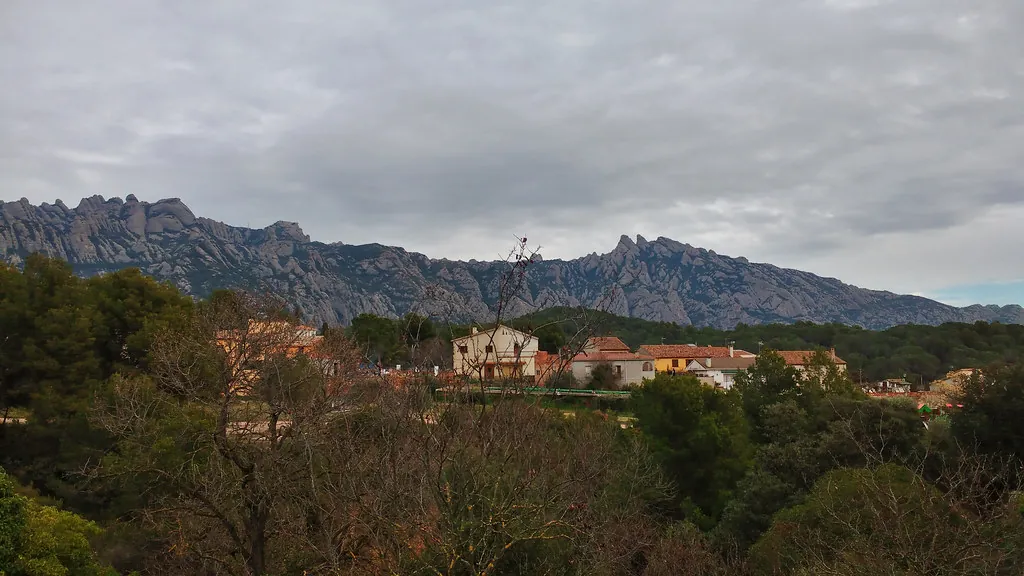
At 257 m above sea-level the air is a degree or two cooler than the coast, enough to make midsummer evenings tolerable without air-conditioning. Frost can nip as late as April, so the almond blossom arrives hesitantly and the local grape, Parellada, keeps the natural acidity that cava makers prize. Come October the same slopes glow yellow; combine harvesters crawl across cereal plots that separate the modern housing estates from the 19th-century masías. It is scenery on a workaday scale: no crags, no cinematic hairpins, just gentle folds that open westward to the shark-fin silhouette of Montserrat.
Stone, Brick and uPVC
The old centre fits inside one pedestrian circuit of ten minutes. Santa Maria church, rebuilt after a fire in 1936, looks newer than some Tesco superstores; step inside and the cool darkness smells of candle wax rather than incense. Iron balconies lean at tipsy angles, their paint blistered by the dry wind that barrels up the Anoia valley. Between them slip narrow lanes just wide enough for the tractors that still deliver crates of peaches to the cooperative. On the far side of the railway line, brick terraces and double garages spread in grids—homes for families who want a pool and three bedrooms for the price of a Barcelona flat. The mix is honest, if not postcard-perfect: satellite dishes sprout beside solar panels, and the evening passeig includes as many baseball caps as barrets.
A Glass that Won’t Break the Bank
Wine routes here require a sat-nav rather than a tour bus. Can Bonastre, ten minutes by car towards the mountains, opens its stone threshing floor for tastings at €12—half the price of equivalent cellars in Sant Sadurní. The winemaker speaks brisk English learnt during a harvest in Sussex and will happily contrast his Chardonnay with Nyetimber rather than Cava. If you prefer fizz, Caves Vilarnau sits closer still; book 24 hours ahead and you’ll be waved through security gates into a concrete winery that looks like a Bond villain’s lair but produces crisp brut nature that stands up to English fish and chips. Neither venue charges for children under twelve, and both hand out grape juice so the under-age don’t feel left out.
Pack a picnic and the vineyards themselves become the attraction. Farm tracks lead south towards Piera, threading almond and olive groves where redstarts flit from post to post. Distances are modest: a lazy 6 km loop from the station brings you back in time for lunch, calves stretched rather than shredded. Take water—shade is scarce and café stops non-existent once you leave the urbanitzacions.
When the Town Lets its Hair Down
Festivity calendar is short, intense and almost entirely Catalan. Sant Antoni on 17 January is the one to catch if you like smoke, drums and the whiff of singed pork. A bonfire built from vineyard prunings towers in the Plaça de la Vila; locals grill botifarra sausages over the embers and hand chunks to strangers. British politeness dictates queuing; Catalan reality means elbow forward and smile. Late August brings the Festa Major: Tuesday night foam party for teenagers, Wednesday correfoc (devils hurling fireworks) and a brass band that plays until the neighbours give in. Book accommodation early—Barcelonians treat the town as a cheap staycation and every spare room fills.
Bread, Lamb and Market-Day Empanadas
Wednesday is the only morning the car park behind the church overflows. Stallholders shout prices in Catalan but switch to Castilian the moment they hear an accented “Hola.” Look for the plastic boxes of empanada at €2.50—flaky pastry stuffed with spinach and pine nuts that survive a hike better than any Boots meal deal. Butchers display xai (lamb) from flocks that graze the higher scrub; ask for “paletilla” and you’ll get a shoulder that roasts perfectly in a villa oven while you sit by the pool with a glass of local cava. If you’d rather someone else does the grilling, Cal Xirricló in Piera delivers straightforward roasted chicken, chips and a half-carafe of house red for under €15 a head. They open at 20:00 sharp; arrive earlier and the door stays locked.
Getting Here, Getting Out
Barcelona El Prat sits 45 km away, but the direct route is a fib. No bus links the airport to Masquefa; trains require a change at Martorell and the last service leaves at 22:12. Hire a car and the drive is 40 minutes on the A-2—unless a lorry sheds its load, in which case you’ll sit stationary long enough to learn the Catalan for tailback: “cua.” Parking in town is free and, outside fiesta week, simple. From Masquefa Montserrat is 35 minutes west; Sitges beaches 40 minutes south-east. Use the village as a base and you dodge coastal prices while keeping both mountain and sea within day-trip reach.
The Catch
Evening entertainment is thin once the cafés close at 23:00. Youngsters with a thirst migrate to Igualada’s late bars; families play cards on the terrace. Rainy-day options are non-existent—there isn’t a museum, cinema or even a covered market. If clouds gather, you’ll be driving to Vilafranca for indoor diversion. And while the railway puts Barcelona in range, the same line hauls freight all night; rooms near the track vibrate each time a goods train thunders through at 02:00. Ask for a villa set back from the line or pack ear-plugs.
Come Sunday noon the town slips back into its working skin: commuters check train times, market traders hose down their stalls, and the hills go quiet except for the clack of a cyclist freewheeling home. Masquefa will never top a “must-see” list, yet for travellers who want a bed among vines, a glass of cava without the mark-up and a calendar that still follows the agricultural year, it delivers—provided you rent a car and remember that silence here is measured not in decibels but in the space between freight trains.