Full Article
about Orpí
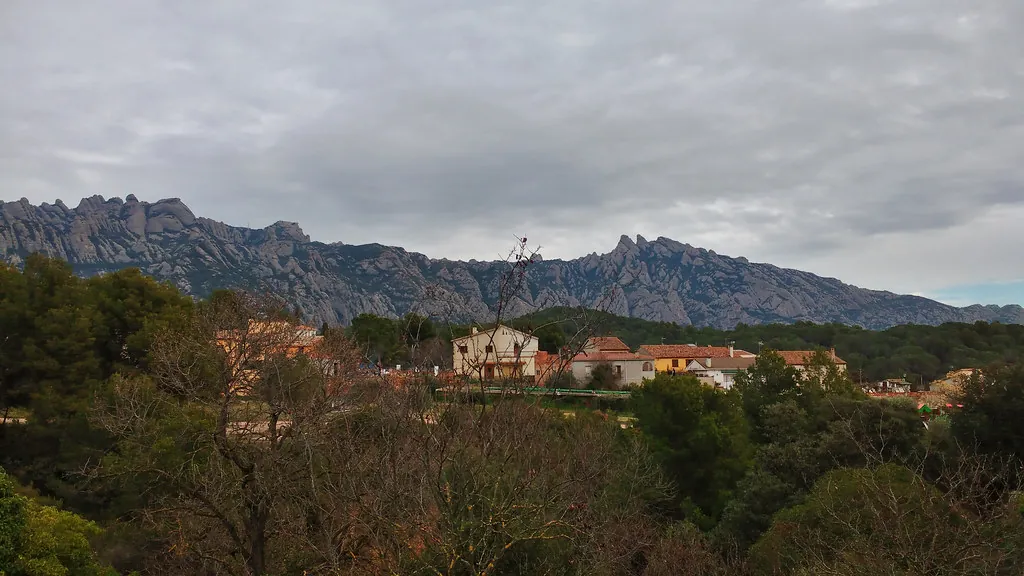
Small village dominated by a castle and surrounded by forests
Ocultar artículo Leer artículo completo
The thermometer on the car dashboard drops six degrees in the final eight kilometres. First the radio crackles, then the GPS arrow drifts lazily across blank grey screen as the BV-4241 climbs through oak scrub and the last bar of 4G blinks out. At 375 m above the cereal plain of l’Anoia, Orpí appears without warning: stone, terracotta and silence, arranged round a church tower that has watched the same barley fields since the twelfth century.
Seventy-odd miles from Barcelona airport sounds doable until you factor in the last twenty minutes: a single-track road that corkscrews upwards, wide enough for a tractor and a prayer. Leave the Costa hire-car conventions behind; anything longer than a Fiesta will have you reversing into thorn hedges when the local farmer’s Land Rover fills the mirror. Once parked on the rough triangle beneath the plane trees, engines off, the village soundtrack begins—distant goat bells, a creaking weather-vane, the dry rustle of oak leaves that tells you the sea is forty kilometres away and none of its humidity reaches here.
Stone, Sun and Shadow
Orpí’s houses are not museum pieces; they breathe. Thick limestone walls the colour of week-old cream keep interiors ten degrees cooler than the terrace outside, a difference you appreciate when July pushes past 32 °C. Peek through an open doorway and you’ll see bicycles propped against wine barrels, television flickering behind a stone arch, laundry strung across a courtyard that once housed mules. Renovation grants have tidied façades but rarely erased the iron hay-loft winches or the Roman-numeral dates—1784, 1837, 1901—carved beside doorways like memento mori for each generation.
The parish church of Sant Sadurní squats at the top rather than the centre, a medieval habit of putting God on the highest rock. Its sandstone blocks are warm to the touch even at nine in the morning; inside, the air smells of candle wax and the floor dips gently towards the altar, worn by five centuries of farming boots. No ticket desk, no audio-guide, just a printed sheet that asks for one euro towards roof repairs and invites you to leave with “the peace you arrived seeking”—a line that would sound trite anywhere louder.
Walking Without Way-marks
Official hiking maps stop at the municipal boundary, which is the point. A lattice of farm tracks radiates towards stone terraces where wheat and almond replace each other according to rainfall. Head east and you drop into the Barranc de l’Orpí, a dry riverbed edged with wild rosemary that smells like cheap gin when the sun hits it. Forty minutes later you emerge onto a ridge giving 30-kilometre views across to Montserrat—serrated and bluish, looking improbably theatrical beyond the dull gold plateau.
Paths exist because tractors need them, not because tourists asked. Consequently signage is limited to the occasional paint splash that might indicate a right-of-way or might simply mark where the neighbour repainted his gate. Download a GPX file while you still have signal in Sant Martí Sesgueioles, or do it the old way: ask. The man rebuilding the dry-stone wall will point with his trowel and tell you, “Follow the track past the red Masia, then bear left where the electricity pole leans.” You will get lost, but the village is only two miles long; sound carries and someone will redirect you before panic sets in.
When Lunch Depends on a Telephone Call
Food is the first thing that reminds you the population hovers around 150. There is no shop, no café, no petrol, no cash machine. The bakery van calls on Tuesdays and Thursdays, honking like a French ice-cream van; catch it or toast is off the menu. Castell d’Orpí, the only restaurant, opens Friday dinner through Sunday lunch outside July and August, the rest of the year by reservation only. Phone before you leave Britain if necessary—they’ll note “table for two, lamb, one vegetarian” and unlock the door specially. The €18 menú del dia brings charcoal-grilled escalivada (aubergine and pepper) followed by xai de llet—milk-fed lamb that tastes faintly of almond from the maternal diet. House red from Costers del Segre hovers at 12.5 %; two glasses won’t disqualify you from the afternoon walk, though the afternoon temperature might.
Pack emergency calories. A cool box in the boot with tomatoes, Manchego and a baguette turns a potential hunger-induced tantrum into a picnic among the barley rows. British favourites such as crisps or chocolate are thirty minutes away by car; accept it or improvise.
Nightfall Without Sodium Glare
By nine thirty the church bell has tolled the Angelus and the village cats reclaim the lane. Street-lighting is decorative rather than functional: two wrought-iron lamps outside the town hall and darkness thick enough to see the Milky Way once your pupils adjust. August brings Perseid meteors; you can watch them from the concrete bench by the war memorial, lying backwards like a teenager at Glastonbury only quieter. Bring a fleece even in midsummer; altitude cools the air faster than you expect and by midnight it can dip below 16 °C while Barcelona still swelters at 24 °C.
Winter visits demand respect. The road is paved but not salted; a northerly tramuntana wind can drag snow across from the Pyrenees and leave the BV-4241 glassy. Chains live in car boots from November to March. Daytime highs of 10 °C feel colder in the wind, but the clarity is extraordinary—50-kilometre views sharpened by air that has crossed no industry since Zaragoza.
Practicalities Hidden in Plain Text
Base yourself in the village or treat it as a day-trip? Staying over gives you the silence after six o’clock, worth the effort if you need reset rather than checklist. Can Morei offers three attic rooms under centuries-old beams, Wi-Fi that sometimes remembers the twenty-first century, and a roof terrace where swifts dive past your morning coffee. High-season doubles run €90 including tax; low season drops to €65 and they’ll do single occupancy without a surcharge if you ask politely.
Driving remains the only realistic access. A taxi from Barcelona airport is €160 each way—more than the hire car for a week. Trains reach Igualada, 22 km away, but buses to Sant Martí Sesgueioles are school-day only and the connecting taxi must be booked a day ahead; miss it and you are walking the vertical eight kilometres with your wheelie case. Cycling is increasingly popular: the C-14 shoulder is wide, but remember the final climb averages 6 % and water sources are nil until the village fountain.
Leave the drone at home. Privacy matters when your neighbour’s kitchen window opens onto the lane, and the mayor has decreed that anything buzzing above rooftops will be grounded by slingshot. Photographers do better at dawn when shadows stretch like liquorice and a haze layer hovers over the coastal plain far below; the village east flank glows rose-gold for roughly nine minutes after sunrise—plenty of time to annoy the cats and get the shot.
Heading Back to the Noisy World
Reversing down the hill you meet the first proper bend and suddenly the phone erupts with backlogged alerts—weather in Manchester, Premier League scores, a text from the hire company about fuel policy. The temperature readout climbs degree by degree until, at the C-14 junction, you’re back in the audible world. Orpí doesn’t mind. Its grain store doors will stay shut at lunchtime whether you’re there to photograph them or not, and the barley will turn from green to gold on schedule whatever the travel pages say. That indifference is the village’s greatest generosity: it lets you visit, then forgets you immediately, remaining exactly as it was when the signal died.