Full Article
about Piera
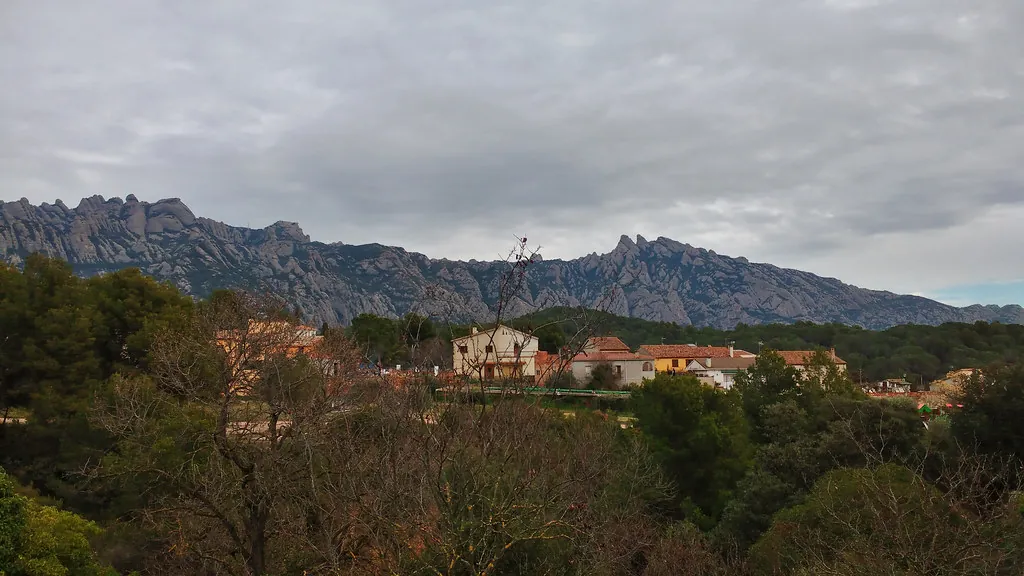
Large municipality with a medieval castle and several housing estates
Ocultar artículo Leer artículo completo
The Monday market spreads across Plaça de l’Ajuntament before most travellers have finished their hotel breakfast in Barcelona. By nine o’clock, almond sellers from the outlying fincas are already weighing out 100 g paper cones of last season’s nuts while butchers shout prices for botifarra that undercut anything on the coast. Piera’s weekly market is no folkloric show: it’s the town’s financial pulse, and the only morning when English is almost impossible to overhear.
A Town that Outgrew its Castle
Piera’s castle keeps watch from a sandstone ridge, though only one curtain wall and a fragment of tower still stand. The ten-minute climb from Carrer del Castell is steep enough to raise a sweat even in April; the reward is a 360-degree sweep of cereal fields, pine-clad hillocks and the distant glint of the Anoia river. Expect breeze, not battlements—archaeologists fenced the ruins off years ago, so picnics happen on adjacent boulders rather than inside romantic halls.
Down in the grid of mediaeval lanes, the parish church of Santa Maria squats firmly at the centre of gravity. A jumble of Romanesque bones dressed in later Baroque skin, it opens 30 minutes before mass on Sunday and otherwise stays shut unless you ask at the ajuntament for the key. Inside, the main attraction is the 1570 alabaster font where local babies have been christened for four and a half centuries; photographs are tolerated, flash is not.
The old quarter takes less than an hour to negotiate on foot, but detours help. Peek into Carrer de la Riera to see the Casa de les Voltes, a 14th-century manor whose ground-floor arcade still provides shade for a baker’s van every dawn. Continue to tiny Plaça de Sant Pere and you’ll understand why British walkers on the Catalan Way call Piera “the place with bar stools that don’t wobble”—nothing here is staged for tourists, so café furniture is replaced when it breaks, not when it looks quaint.
Between Vineyard and Plate
Vines creep to within two kilometres of the town limit, marking the frontier between the Penedès DO and Piera’s own rain-shadow terroir. Cava giants such as Freixenet and Codorníu lie 20 minutes away by car, but the local co-op, Celler de Piera, bottles modest still wines that rarely leave the county. Their blanc de sumoll—tart, faintly herbaceous—costs €6 if you bring the bottle back for a refill. The cellar door opens Friday 17:00-19:00; arrive early because the volunteer pourer likes to close on the dot.
Food follows the agricultural calendar. Thursday means coca de recapte, a thin sheet of dough painted with roasted aubergine and red pepper, served warm from Forn de Pa Rovira on Avinguda de Catalunya. Visitors expecting pizza will be disappointed: there is no cheese, no tomato, and the proper drink is a glass of lightly chilled vino tinto. Winter visitors get escudella, a broth packed with chickpeas, pork cheek and a golf-ball-sized meat-and-rice dumpling that makes a mockery of subsequent pudding plans. Restaurants keep lunch prices sane—€13-15 for three courses—because locals refuse to pay city premiums.
Getting Here, Staying Put, Moving On
There is no train station. From Barcelona Sants or Plaça Espanya, take the FGC line towards Igualada and alight at La Beguda (42 minutes). A taxi from the rank—there’s usually one—costs about €20 to Piera; otherwise the L-702 bus meets the 12:03 train on weekdays, depositing passengers beside the market at 12:18. Car hire is simpler: the A-2 motorway, junction 554, then 10 minutes along the C-15. Parking on the ring roads is free and unrestricted; inside the old centre you’ll battle residents who treat every corner as personal.
Accommodation is limited. Hostal La Masia dels Campus, five minutes out in the orchards, has ten spotless rooms built around a 1780 farmhouse—weekend doubles €70 including strong coffee and ensaïmada pastry. In town, the modernised Hostal El Rusti offers Wi-Fi that actually reaches the bedrooms but overlooks a school playground; bring earplugs for Monday-morning break-time. Campers are pointed to the municipal site east of the industrial estate: flat, shady, showers token-operated, open March-October.
The Upsides and the Realities
Spring brings almond blossom and temperatures perfect for walking the 11 km loop to Torre del Camí Ral, a 15th-century way-marker tower once used to levy road tolls. Summer is fierce—35 °C by noon—so siestas are non-negotiable and fountains become social hubs. Autumn smells of moscatell grapes left to raisin on the vine, while winter can gift crisp blue skies and, very occasionally, a dusting of snow that melts before the bread van completes its round.
Crowds? Hardly. August’s Festa Major packs the streets for three nights, but numbers peak at maybe 3,000—locals plus returning offspring. The rest of the year Piera absorbs visitors without turning anyone away. The downside is limited cultural infrastructure: no museums, no galleries, no evening entertainment beyond bars showing Barça matches. If you need blockbuster sights, day-trip to Montserrat (45 minutes by car) then retreat here for dinner.
Leave on a Tuesday and you may hear the town hall clock strike noon while café owners hose down the pavement, preparing for another quiet afternoon. Piera will not change your life, but it will remind you what Catalan country towns were like before souvenir shops arrived—and for many travellers, that quiet honesty is quite enough.