Full Article
about Sant Martí Sesgueioles
Small town in Alta Anoia with a distinctive unfinished bell tower.
Ocultar artículo Leer artículo completo
A Village That Time Forgot (Thank Goodness)
I've been wandering Catalonian villages for quarter of a century now, and I can tell you that finding authentic Spain – the real deal, not the tourist version – gets harder each year. Which is why discovering Sant Martí Sesgueioles felt like stumbling upon a secret. Perched at 2,119 feet in the Anoia region, about an hour west of Barcelona, this village of just 361 souls represents everything I adore about rural Catalonia: unhurried life, genuine warmth, and landscapes that haven't been Instagram-ed to death.
Don't expect boutique hotels or guided tours here. This isn't that kind of place. Sant Martí Sesgueioles is where you come to remember what silence sounds like and to chat with locals who'll assume you're lost (in the nicest possible way).
Life Among the Vines
The first thing that strikes you about Sant Martí isn't its size – though at barely 1.4 square miles, it's properly tiny – but its setting. Rolling vineyards stretch in every direction, punctuated by ancient stone walls and the occasional cypress standing sentinel. The village clusters around its medieval church like chicks around a hen, and the pace of life moves to agricultural rhythms that haven't changed in centuries.
Most mornings, you'll find the locals gathered at the village's modest café, putting the world to rights over cortados and yesterday's newspapers. By noon, the streets empty for lunch and siesta – a tradition taken seriously here. Come evening, families emerge for the paseo, that lovely Spanish ritual of strolling and socialising that we Brits have never quite mastered.
The beauty of Sant Martí lies in what it lacks: traffic lights, chain restaurants, souvenir shops, and tour buses. What you get instead is authenticity served neat, no chaser.
Through a Resident's Eyes: What Actually Matters
The village's crown jewel is the Iglesia de San Martín with its distinctive bell tower (campanario) that's visible for miles across the countryside. Built in the Romanesque style, it's not flashy – this isn't the Sagrada Família – but there's something deeply moving about its weathered stone and simple lines. The church sits at the heart of village life, marking time with bells that have chimed the hours for generations.
For me, the real magic happens during the golden hour when the setting sun turns the vineyards amber and the church tower glows like honey. Bring a decent camera if you're so inclined, but honestly, just sitting on one of the stone walls and watching the light change is entertainment enough.
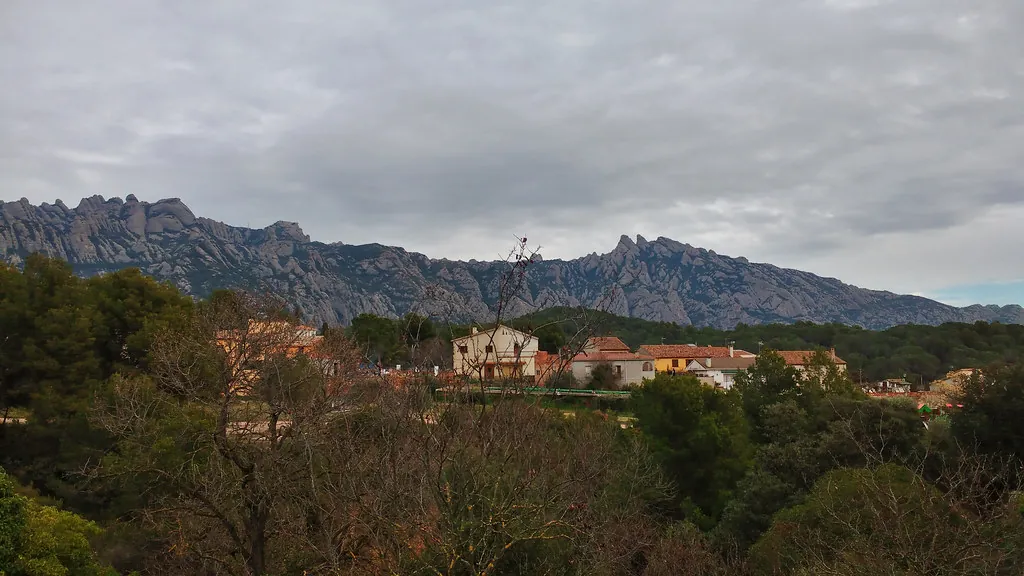
The surrounding countryside begs for exploration. The walking here is glorious – proper rambling country with well-marked paths winding through vineyards and olive groves. You'll encounter more sheep than people, which suits me fine. The views stretch to the Montserrat mountains on clear days, a sight that never gets old.
Eating Like a Local (With Realistic Expectations)
Right, let's be honest about the culinary scene: Sant Martí isn't going to feature in any foodie magazines. With a population of 361, you're not spoilt for choice. The local speciality is embutidos artesanos – handcrafted cured meats that are genuinely excellent. Pop into the village shop (if it's open – hours are optimistic at best) and try the chorizo or morcilla. The quality will surprise you.
For proper meals, you'll likely need to venture to nearby Igualada (about 15 minutes by car) where there are several decent restaurants serving Catalan classics. But honestly? Pack a picnic. There's something wonderfully civilised about lunching among the vines with bread, cheese, and a bottle of local wine.
Speaking of wine, this is serious viticulture country. Many of the surrounding vineyards offer tastings by appointment – ask at the village café for introductions. The whites here are particularly lovely, crisp and mineral-driven.
The Practical Bits (Because Someone Has to Mention Them)
Getting There: You absolutely need a car. Public transport to Sant Martí is virtually non-existent, and taxi fares from Barcelona would fund a small holiday. Car rental is essential – and trust me on this, book a small vehicle. Village streets weren't designed for Range Rovers.
The drive from Barcelona takes about an hour via the A2 and C-37. It's straightforward enough, though the final approach involves some narrow country roads. GPS is your friend, as signposting can be... creative.
When to Visit: Spring and autumn are magical – the weather's perfect for walking, and the countryside is at its most photogenic. Summer can be scorching at this altitude, while winter, though mild, can be unexpectedly chilly. Avoid August if you want to meet any locals; half the population decamps to the coast.
Where to Stay: This is where it gets interesting. Sant Martí has virtually no tourist accommodation, which is both its charm and its challenge. Your best bet is looking for rural houses (casas rurales) in the area or staying in nearby Igualada. Some enterprising locals have started offering rooms through online platforms – worth checking if you want the full immersion experience.
What to Pack: Comfortable walking shoes are non-negotiable. The terrain is uneven, and you'll be doing a fair bit of hiking. A good hat and sunscreen are essential – that Catalan sun is stronger than it looks. Basic Spanish is helpful, though Catalan is the first language here. Don't worry; smiles are universal.
A Warning Worth Heeding
Let me be crystal clear about what you won't find in Sant Martí Sesgueioles: organised entertainment, bustling nightlife, or extensive tourist facilities. This isn't a criticism; it's the village's greatest asset. But if you need constant stimulation or can't bear the thought of an afternoon with nothing but birdsong for company, choose somewhere else.
The village can feel almost eerily quiet, especially during siesta hours. Some find this peaceful; others find it unsettling. Know yourself before you book.
Why I Keep Coming Back
After 25 years in Spain, I've seen tourism transform countless villages, not always for the better. Sant Martí Sesgueioles remains gloriously unchanged – a pocket of old Catalonia where life moves to natural rhythms rather than tourist timetables.
It's where I come when Barcelona feels too frantic, when I need reminding that Spain isn't all beaches and sangria. Here, among the vineyards and ancient stones, you'll find something increasingly rare: genuine tranquillity and the warm welcome of people who still have time for conversation.
Is it for everyone? Absolutely not. But if you're seeking authentic rural Spain and have the patience to let it unfold at its own pace, Sant Martí Sesgueioles might just capture your heart as it has mine.