Full Article
about Balsareny
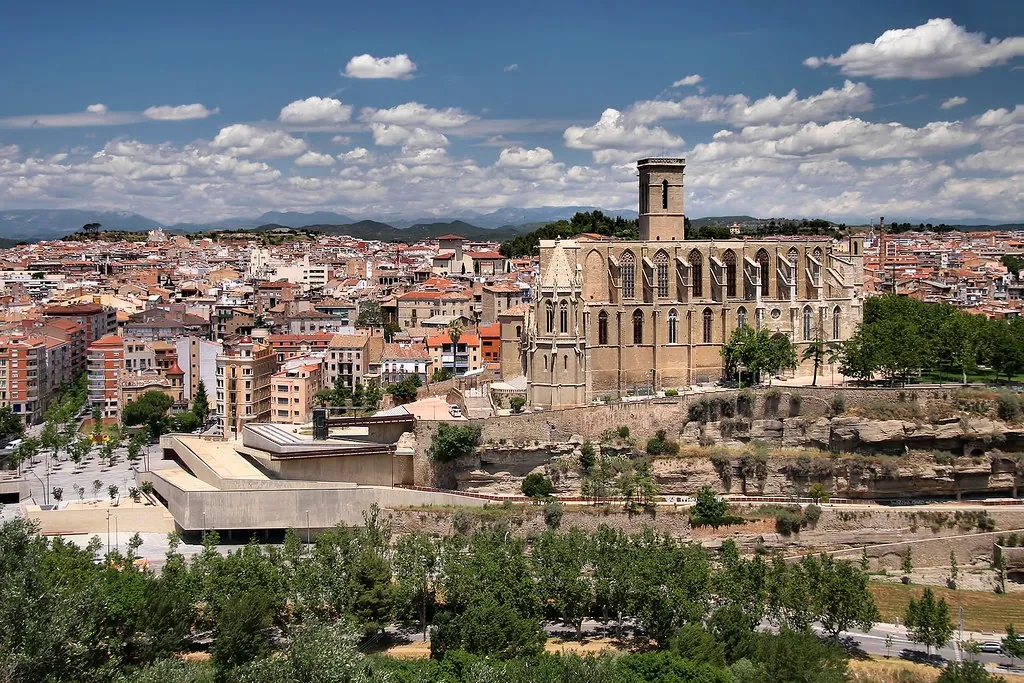
Riverside town on the Llobregat, crowned by a commanding medieval castle atop a hill.
Ocultar artículo Leer artículo completo
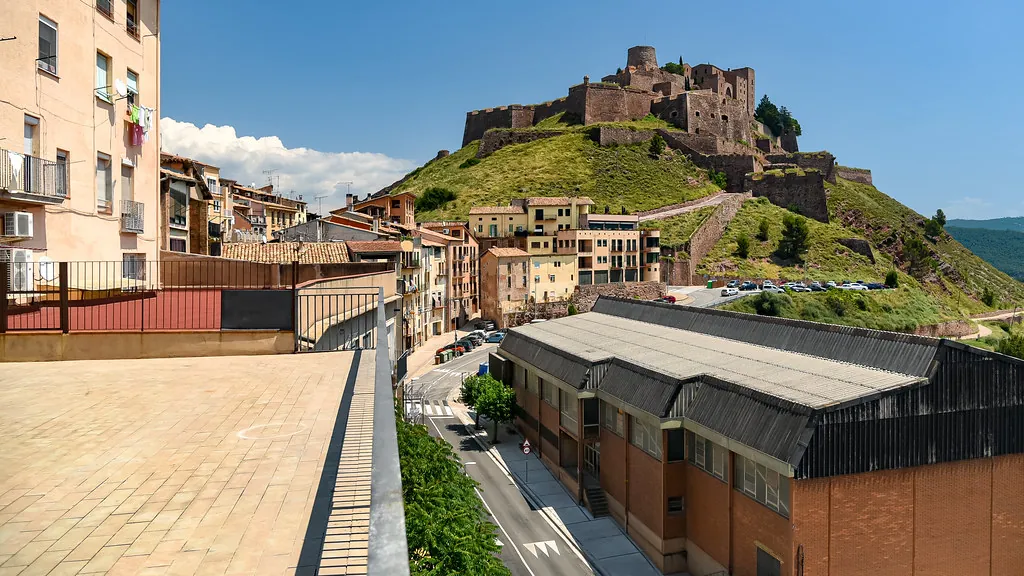
The morning bus from Manresa wheezes to a halt beside a petrol station that doubles as Balsareny's transport hub. From here, the village proper sits five minutes uphill—close enough that locals recognise the driver who drops off bread deliveries, far enough that the medieval castle seems to float above rooftops like a stone ship. At 327 metres above sea level, Balsareny occupies that sweet spot where the Pyrenees still feel hypothetical yet the air carries noticeably less humidity than Barcelona, 85 kilometres away.
This altitude matters more than any brochure admits. Summer afternoons remain tolerable when the coast swelters, but winter fog can trap the village for days. The difference shows in the vegetation: almond trees replace coastal palms, and the Llobregat River—flowing past the eastern edge—runs colder than swimmers expect. British walkers accustomed to Cotswold gradients find the surrounding paths deceptively strenuous; what looks like a gentle incline on Google Maps reveals itself as a calf-burning scramble when the sun hits the sandstone.
Stone, Salt and Silence
The Castell de Balsareny dominates every view, precisely as designed nine centuries ago. Private ownership means interior access remains sporadic—check with the tourist office in Plaça de l'Ajuntament, open Tuesday and Thursday mornings only—but the structure's real drama unfolds from outside. Walk the camí de la Serra at sunset and watch the walls shift from honey to ochre, a colour change that explains why locals call it the "castle of fire". The adjacent cemetery provides an equally good vantage point, where 19th-century tombs angle themselves for the same privileged outlook that nobles once fought over.
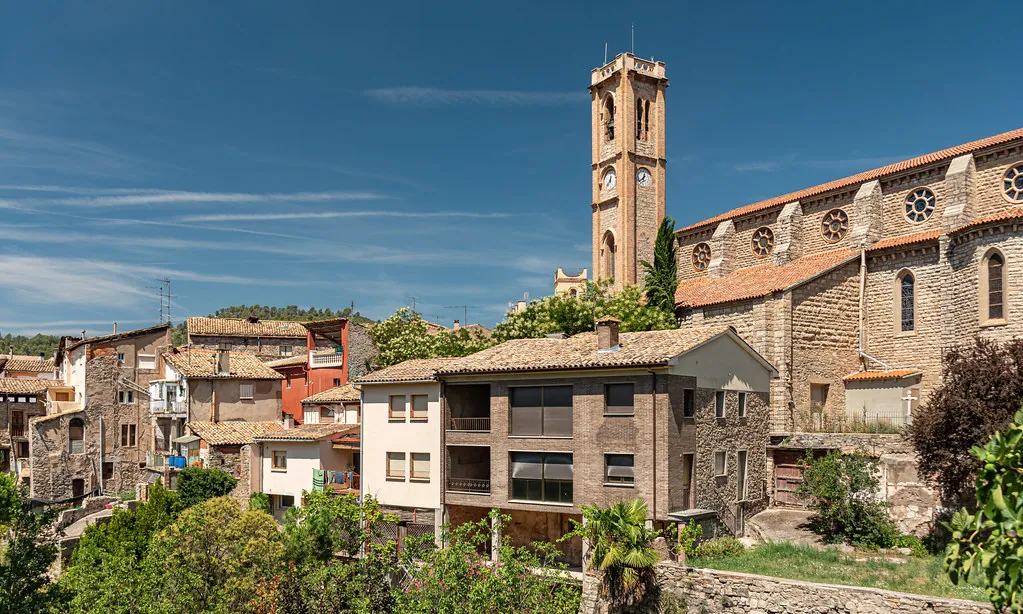
Below the battlements, carrer Major preserves the sort of uneven stone arcades that would trigger preservation orders in any British market town. Here they simply house everyday commerce: a baker who still weighs baguettes on cast-iron scales, a pharmacy whose wooden drawers date from Franco’s era, a bar where the television stays resolutely on regional news regardless of who enters. The rhythm feels closer to pre-supermarket Britain than contemporary Spain; children buy single sweets with coins that would barely register in Barcelona, and the weekly market on Wednesdays occupies exactly six stalls.
Industrial heritage lurks less visibly. Until 1992, miners extracted rock salt from deposits 600 metres beneath the village, sending it via narrow-gauge railway to the chemical plants of Manresa. The mine shafts now flood silently, but their location explains those sudden heat waves on certain pavements—underground galleries still vent warm air through gratings that appear randomly along pavements. A small interpretation centre inside the old train station (free entry, closes for lunch at 1:30 pm) displays helmets and wage slips that feel touchingly recent; many guides worked the seams themselves and speak English with the careful precision of men who learned it underground.
Walking Without Waymarks
Official hiking leaflets show three sign-posted routes. Ignore them. Instead, buy a 1:25,000 map from the bakery (€6, cash only) and follow the dry-stone walls west towards the ruined masia of Cal Met. The path—really a tractor track—climbs 200 metres in forty minutes, enough to reveal how the Llobregat valley funnels weather systems. On clear days you’ll see Montserrat’s serrated profile 30 kilometres south-east; after rain, the same ridge disappears into cloud while Balsareny remains sunlit, a meteorological quirk that explains centuries of agricultural bets on almond versus olive.
Spring arrives suddenly, usually during the first week of March, when almond blossom turns every hillside white overnight. British gardeners who struggle with frost in April should note that Balsareny’s orchards survive because cold air drains downhill into the river gorge—useful intelligence if you’re plotting a second-home vegetable patch. Autumn brings the相反 problem: morning mists linger until midday, ideal for photographers but frustrating if you’ve driven up hoping for mountain vistas.
Calories and Carbohydrates
The village’s three restaurants all serve variations on the same menu, itself a化石 of 1980s British pub food: grilled meats, chips, iceberg lettuce. Don’t dismiss it. The执行力 at Can Fàbregas would shame many a London steakhouse—14-day-aged beef from cattle that grazed the surrounding slopes, cooked over vine cuttings that impart a subtle smoke no pellet grill can replicate. A three-course lunch costs €14 including half-bottle of house wine, though Brits should note that "medium" here translates as "still moving". Vegetarians face thinner pickings: the escalivada (roasted aubergine and peppers) arrives doused in tuna oil, because fish doesn’t count as meat in traditional Catalan logic.
For self-caterers, the Tuesday market offers little beyond seasonal fruit and vacuum-packed sausages. Better to drive 12 kilometres to Súria’s Saturday produce stalls, where farmers sell potatoes still flecked with soil and eggs bearing the actual date they were laid. Stock up; Balsareny’s single supermarket closes at 8 pm sharp and all day Sunday, a schedule that catches many weekend visitors unprepared.
Getting Stuck (and Getting Out)
Public transport works for the patient. Trains from Barcelona Sants reach Manresa in 75 minutes; buses onward to Balsareny depart hourly except between 1 pm and 4 pm when drivers observe the extended lunch that guidebooks wrongly claim is extinct. The last return service leaves at 7:30 pm—miss it and you’re looking at a €50 taxi ride. Hire cars provide more flexibility, but remember that Catalan motorways operate on a ticket system; losing your entrance slip at the toll booth triggers bureaucratic nightmares worthy of a Kafka novella.
Accommodation remains limited. The Hostal La Masia offers eight clean rooms opposite the church, doubles from €55 including breakfast that features freshly made ensaïmada pastries. Booking ahead matters during the Festa Major (late August) when descendants of local families return, doubling the population and monopolising every spare bed. Winter visitors should confirm heating; nights can drop below freezing and village houses are built for summer heat retention rather than British-style cosiness.
The Honest Verdict
Balsareny will never feature on glossy "Top Ten Catalan Hideaways" lists, and that is precisely its appeal. Come here to calibrate your sense of time against a place where the castle clock strikes quarters most mobiles can’t register, where bread costs the same as in 2008 because the baker refuses to raise prices for "crisis que crisis". The village rewards those who abandon itinerary mentality: linger over coffee long enough and someone will produce a cousin’s contact who can unlock the castle, or offer directions to a vineyard whose wine never reaches Barcelona shops.
Leave disappointed if you need souvenir shops or cocktail bars. But if you’ve ever stood in a Peak District village and wished modernity would pause long enough to let you finish a thought, Balsareny delivers that rare commodity—silence with substance. Just remember to check the bus timetable. Twice.